Monash University: 916 million people a year face a heatwave and wildfire smoke on the same day
A global analysis for 2000–2019 found the number of people with coexposure days rising by 287 million per decade, with the highest burden in low-HDI countries.
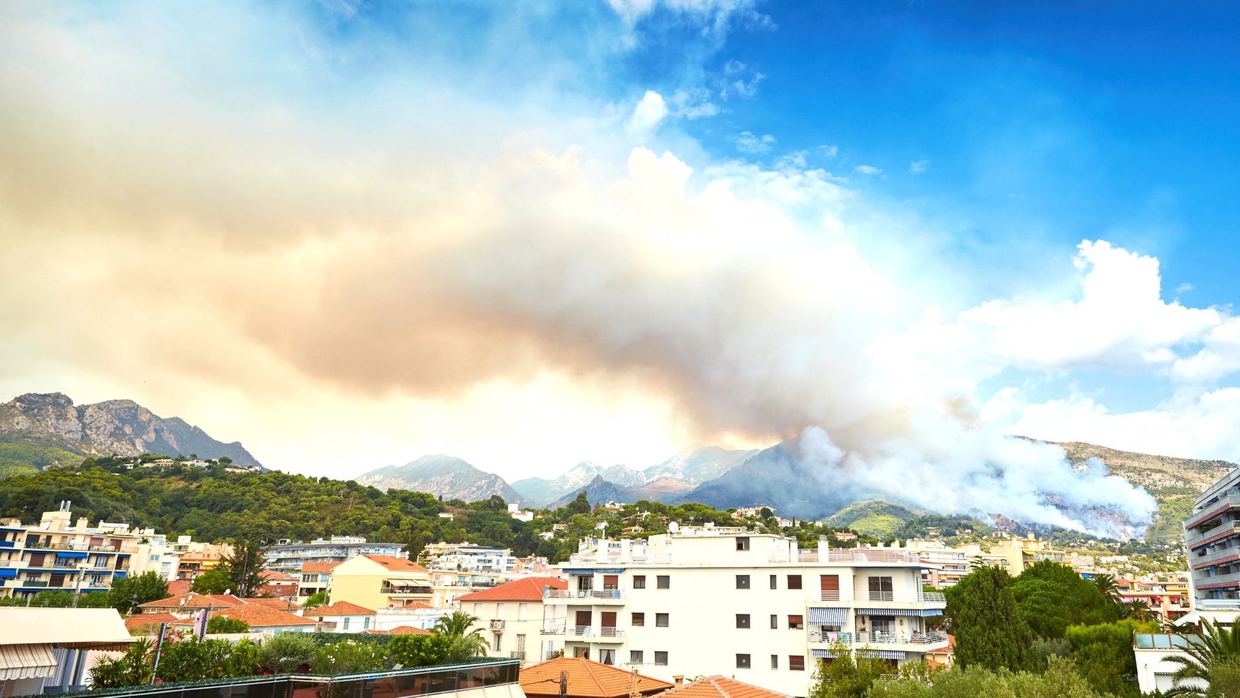
A team led by Yao Wu at the School of Public Health and Preventive Medicine, Monash University, together with Yuming Guo, Shanshan Li and colleagues from Peking University and the University of Tasmania, mapped worldwide coexposure to heatwaves and fire-sourced air pollution for 2000–2019. According to the study in Science Advances, an average of 916 million people per year experienced at least one such day. This number grew by 287 million people per decade doi.org
Science Advancesdoi.orgOpen source ↗.
Method and global figures
The researchers matched daily temperatures to estimates of smoke in the air on a grid about 28 km wide, then overlaid population maps. A heatwave was defined as at least two consecutive days above the local 90th percentile of temperature. A smoke day was a day when fine particles or ozone exceeded the WHO daily guideline, with at least half of the pollution coming from landscape fires.
Coexposure increased in 52.4% of populated areas, which are home to 55.9% of the global population doi.org
Science Advancesdoi.orgOpen source ↗. The average number of exposed days per person was 1.3 per year, rising from 1.0 in 2000–2009 to 1.7 in 2010–2019
doi.org
Science Advancesdoi.orgOpen source ↗. Coexposure person-days grew by 5.5 billion per decade; 70.5% of this was attributed to increasing coexposure intensity and 29.5% to population growth
doi.org
Science Advancesdoi.orgOpen source ↗. Heatwave days increased in 87% of grid cells, while smoke days increased in 28%, mostly in North America.
Where exposure is highest
Countries with a low human development index had the most coexposure days per person and the largest increases doi.org
Science Advancesdoi.orgOpen source ↗. People in low-income countries averaged 4.4 such days a year, against 0.4 in high-income countries. Africa accounted for about 39% of all person-days.
In 2010–2019, Zambia had the highest average, 28.8 days a year, followed by the Democratic Republic of the Congo (24.3) and Malawi (21.7). In the Democratic Republic of the Congo the figure rose from 11.8 days. In Cambodia it went from 1.6 to 12.1 days, moving the country from 40th to ninth place. Europe and Oceania showed slight declines that could not be separated from chance.
Limitations
The study counted exposure, not illness, and did not track anyone's health. The smoke figures come from an atmospheric model checked against ground monitors where they exist. The model handles smoke plume height imperfectly, and carbon monoxide was not included. The record ends in 2019. The authors say the next step is to use the maps to study how combined exposure affects health, especially in countries that have received little research attention.