TIGEM: IB-MECA restored kidney cell function in Lowe syndrome models; clinical trial planned
In cells, kidney organoids and a humanized mouse model, an oral A3 receptor agonist corrected the lipid imbalance caused by OCRL loss. A clinical study is under regulatory review.
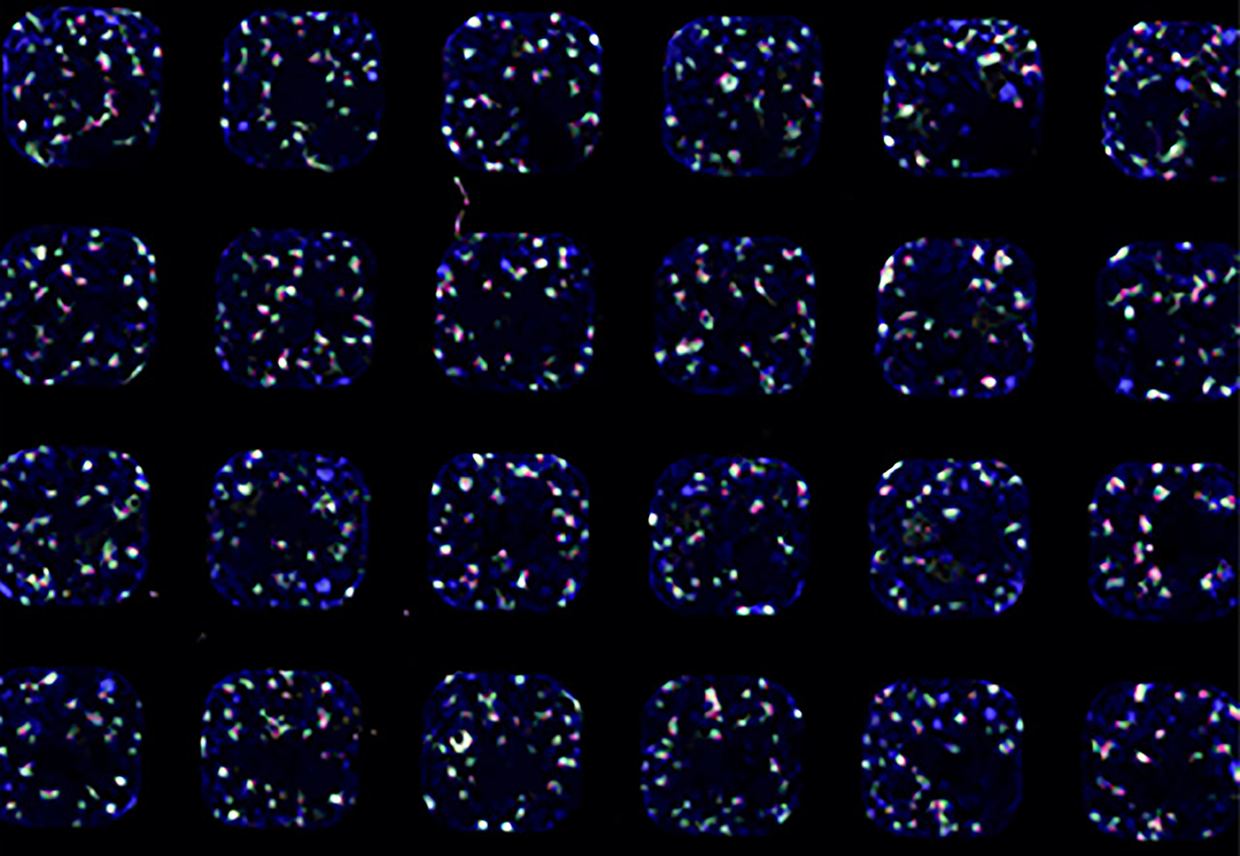
A group at the Telethon Institute of Genetics and Medicine (TIGEM) in Pozzuoli, Italy, led by Antonella De Matteis, reported that IB-MECA (piclidenoson), an oral adenosine A3 receptor agonist, restored protein reabsorption in laboratory models of Lowe syndrome. The work was published in Signal Transduction and Targeted Therapy and announced on 5 November 2026 doi.org
Signal Transduction and Targeted Therapydoi.orgOpen source ↗. The models included engineered cell lines, patient-derived proximal tubule cells, human kidney organoids and a humanized mouse model
doi.org
Signal Transduction and Targeted Therapydoi.orgOpen source ↗.
Lipid defect and drug screening
Lowe syndrome is a rare disorder that affects the eyes, nervous system and kidneys. It is caused by loss of OCRL, a PI(4,5)P₂ 5-phosphatase, and the authors note that it has no curative therapy doi.org
Signal Transduction and Targeted Therapydoi.orgOpen source ↗. When OCRL is defective, the phosphoinositide PI(4,5)P₂ accumulates in endosomes, where its level is normally very low. This disrupts the recycling of receptors, including megalin, which is needed for protein reabsorption in the kidney
doi.org
Signal Transduction and Targeted Therapydoi.orgOpen source ↗.
The team screened more than 1,200 pharmacologically active compounds on the institute's high-content platform, including approved drugs and compounds in advanced clinical development. The main selection criterion was the ability to correct the disease mechanism in cells. More than one hundred compounds were identified as potentially effective. The most promising was IB-MECA, which has already been studied clinically for other conditions, including psoriasis doi.org
Signal Transduction and Targeted Therapydoi.orgOpen source ↗.
Mechanism and clinical study
In all the systems tested, IB-MECA normalized endosomal PI(4,5)P₂, restored receptor trafficking and rescued protein reabsorption, according to the authors doi.org
Signal Transduction and Targeted Therapydoi.orgOpen source ↗. The effect depends on the A3 receptor: its activation triggers phospholipase C (PLC), which breaks down PI(4,5)P₂ at the plasma membrane. This route is independent of the one controlled by OCRL. The approach differs from earlier strategies based on broad kinase inhibition
doi.org
Signal Transduction and Targeted Therapydoi.orgOpen source ↗.
In early August, Can-Fite BioPharma announced a clinical program based on these results, under a collaboration agreement with Fondazione Telethon. The study, registered as NCT07410455, is coordinated by Francesco Emma at the Bambino Gesù Children's Hospital in Rome. It is under regulatory review and will assess whether the drug improves renal tubular function in patients. The authors say the data support progression toward phase II testing pending regulatory approval doi.org
Signal Transduction and Targeted Therapydoi.orgOpen source ↗.
The authors also propose the pipeline as a general framework for inherited disorders of phosphoinositide metabolism doi.org
Signal Transduction and Targeted Therapydoi.orgOpen source ↗.