Japanese team finds OMC1, an oocyte protein that keeps chromosomes cohesive, in mice
In knockout mice, loss of OMC1 sped up age-related chromosome errors in eggs and cut fertility; the findings concern animals, not yet women.
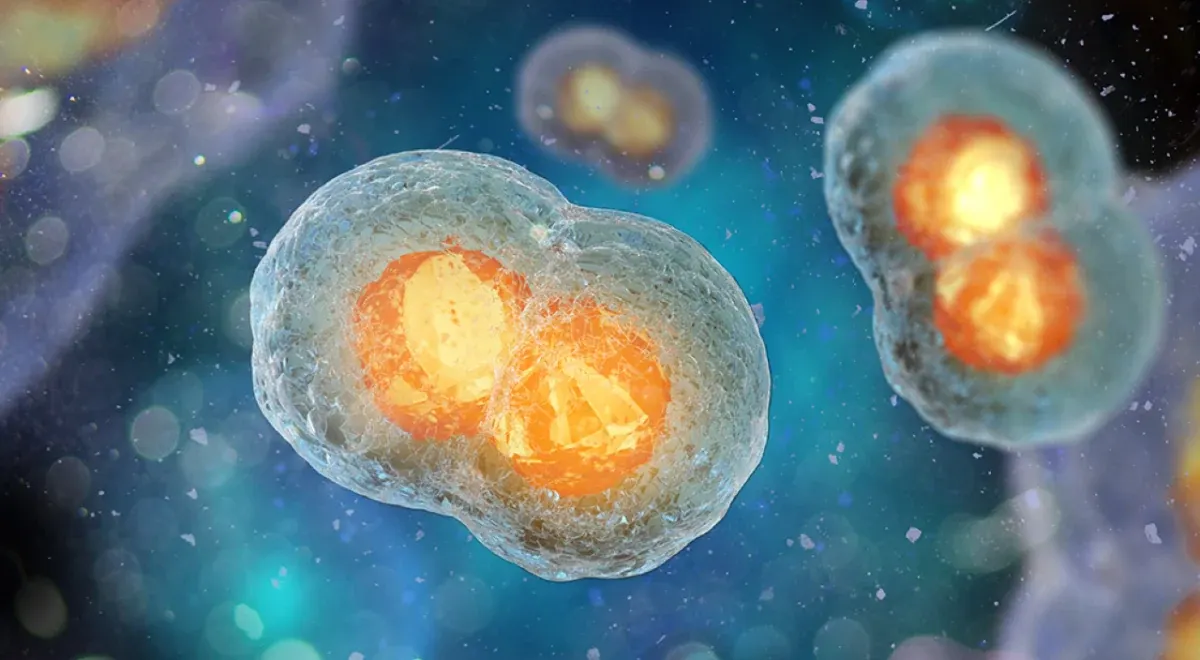
Researchers led by Kei-ichiro Ishiguro (Chiba University) and Tomoya S. Kitajima (RIKEN Center for Biosystems Dynamics Research, Kobe) identified OMC1, an oocyte-specific protein that maintains chromosome cohesion. The study, with contributions from Kumamoto and Kyushu universities, was published in Nature Aging on 29 October 2026. nature.com
Nature Agingnature.comOpen source ↗ In mice lacking OMC1, eggs accumulated chromosome errors typical of aging earlier than normal; the results concern animals, and their relevance to women remains to be shown.
How oocyte chromosomes lose cohesion
Oocytes start meiosis during fetal development and then enter a prolonged arrest, which lasts months in mice and decades in women. Throughout it, sister chromatids are held together by REC8 cohesin, which is not renewed. The cohesin deteriorates with time, and when meiosis resumes in adulthood, chromosomes may segregate incorrectly. The resulting aneuploidy is a major cause of infertility and congenital disorders.
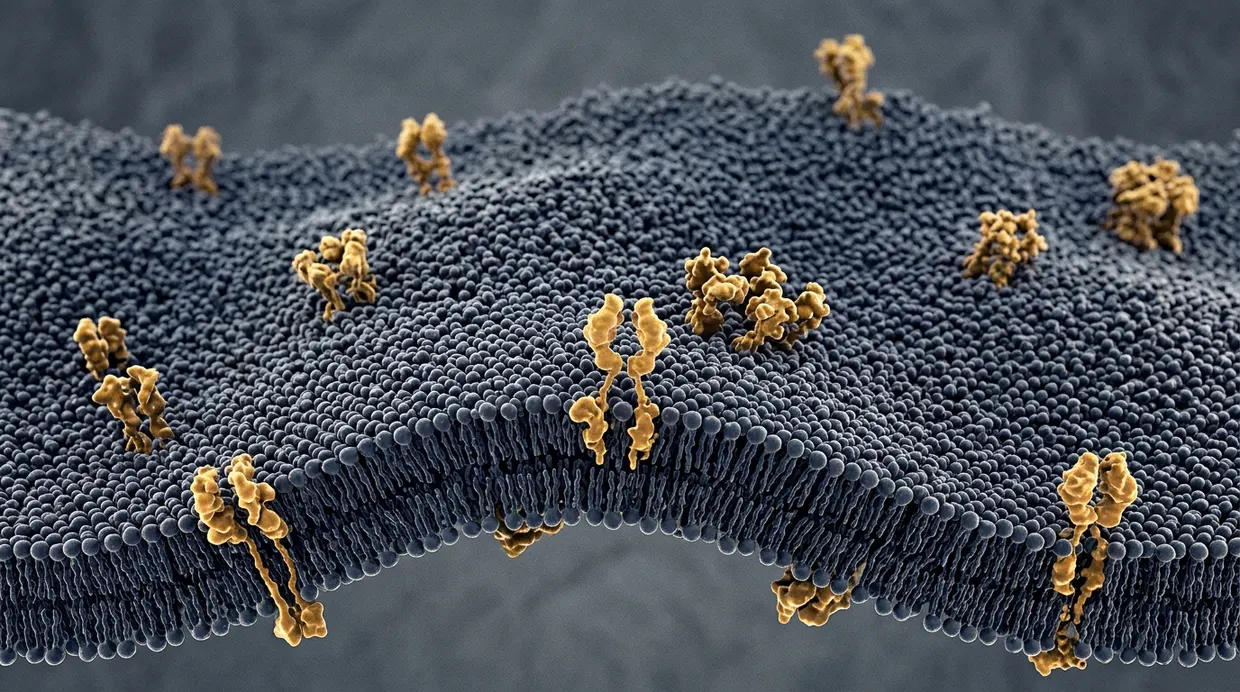
To find a factor that counteracts this loss, the authors compared genes active in oocytes of mouse embryos with those in male germ cells, which do not undergo such a long arrest. The screen narrowed to 219 candidates, one of which was not catalogued as a true gene. It encodes a protein present in all vertebrates, named OMC1. It binds chromosome axes next to REC8 cohesin from fetal stages through adult meiotic maturation.
What the knockout showed
After the gene was deleted in mice, cohesin was still intact in pups but declined markedly in adult females. nature.com
Nature Agingnature.comOpen source ↗ Nearly eight in ten mutant oocytes released chromosome fragments during division, a level seen in normal mice aged 35 weeks. After in vitro fertilization, 35 % of embryos from mutant eggs developed normally, against 80 % in controls. In a long breeding test, mutant females produced half as many pups as controls.
Injecting Omc1 messenger RNA into adult mutant oocytes improved cohesin maintenance and reduced premature separation, though the rescue was partial. According to Ishiguro, OMC1 cannot restore cohesin already lost but can prevent the loss of what remains.
Marie-Hélène Verlhac of the Collège de France, who was not involved, noted limits. The gene was deleted in the whole organism, so indirect effects cannot be excluded, and the protein CENPA, which normally declines with age, stayed intact. She also noted that even low doses of injected OMC1 can delay the first meiotic division, halting oocyte development in more than 90 % of cells. A 2024 genetic study linked a mutation in CCDC201, the human counterpart of Omc1, to early menopause. Ishiguro called it premature to predict a clinical timeline.