KAIST imaged 3D conductive filaments in RRAM and linked their growth to electrode surface bumps
KAIST researchers imaged conductive filaments in resistive memory (RRAM) in 3D and showed that nanoscale bumps on the electrode steer where a filament forms.
A research team at KAIST has imaged in three dimensions the nanoscale current paths inside resistive random-access memory (RRAM) and identified how the electrode surface influences their formation, according to biz.heraldcorp.com. The work was done by Professors Hong Seungbum and Park Sang-hee of the Department of Materials Science and Engineering, and KAIST announced it on the 12th biz.heraldcorp.com
biz.heraldcorp.combiz.heraldcorp.comOpen source ↗. The results were published online in the journal Nano Letters on August 11.
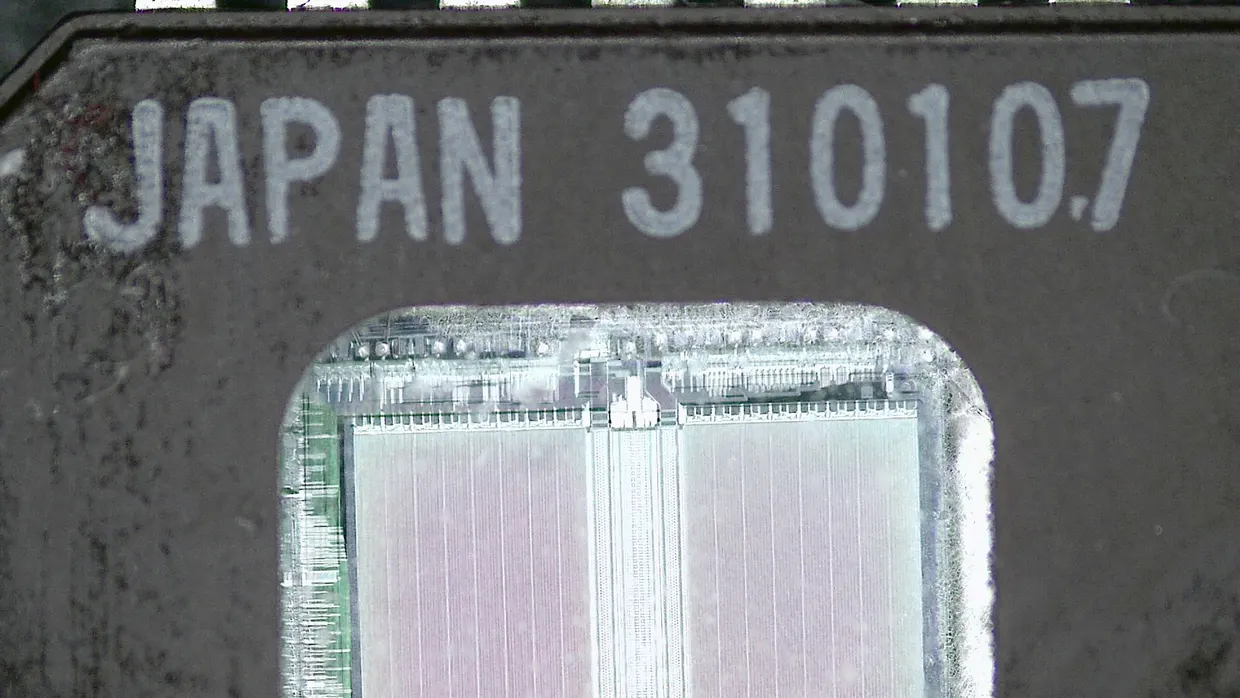
RRAM stores information by creating or breaking a path for current. The state with current flowing and the state without it are read as the digital values 0 and 1. The known problem is that the position and shape of the path differ each time, so the operating voltage and performance of the memory are not constant.
Funnel-shaped filaments
To address this, the team observed the conductive filament, the ultrafine current path that forms inside the memory, in three dimensions. They used conductive atomic force microscopy (C-AFM). After forming a filament in a titanium dioxide layer 10 nm thick, they removed material in about 0.1 nm steps, 100 times in total, and analyzed the internal structure at each step.
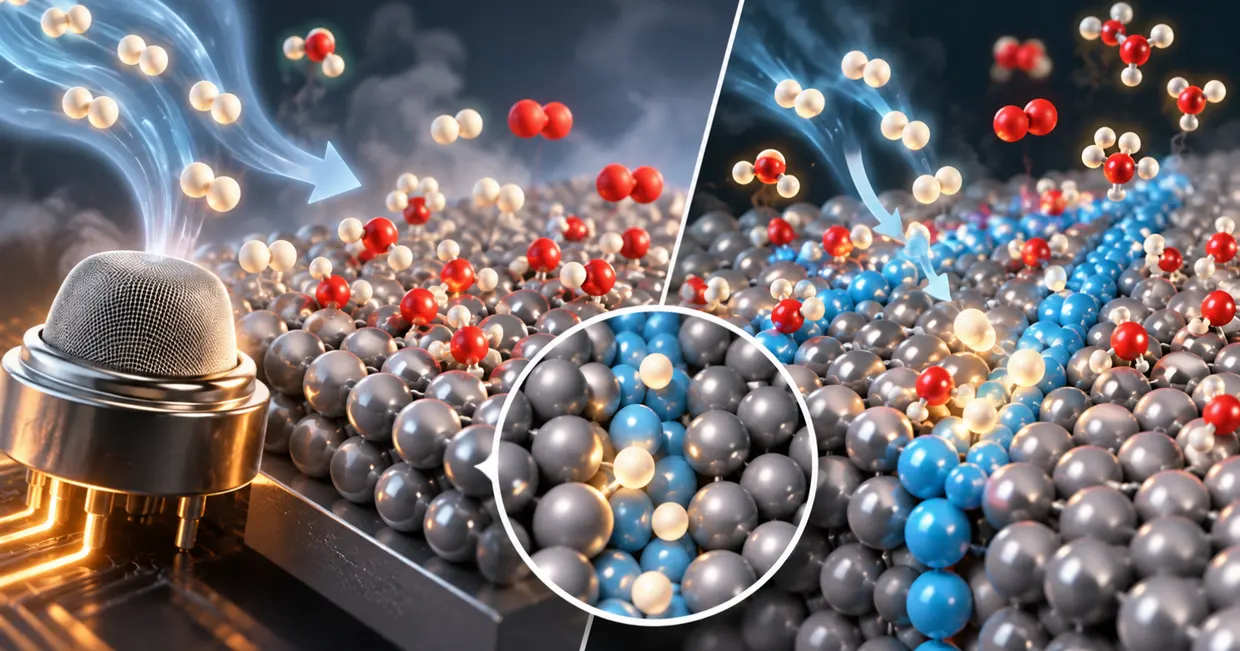
The filament proved to be funnel-shaped: wide at the top and narrowing toward the bottom electrode. Its tip tended to connect to a small protrusion on the surface of the platinum bottom electrode. This was seen in all five filaments formed at different positions.
Electric field and oxygen vacancies
The team concluded that the electric field concentrates at small bumps on the electrode surface and affects the direction in which the filament grows. Computer simulation also showed field concentration around the electrode protrusions. In the researchers' description, the fine structure of the electrode surface acts as a guide for filament formation biz.heraldcorp.com
biz.heraldcorp.combiz.heraldcorp.comOpen source ↗.
They also analyzed the distribution of oxygen vacancies inside the filament, the defects that play an important role in its formation. The analysis indicated that the closer to the bottom electrode, the more the vacancies concentrate at the center of the filament. The authors suggest that the narrowing of the upper part may likewise result from the combined generation and movement of oxygen vacancies.
According to the team, the study goes beyond observing the 3D shape of the filament: it links the filament's shape and tip position to the actual nanostructure of the electrode. Professor Hong said that considering electrode surface structure as a design variable would be an important basis for developing more stable next-generation RRAM.
Sources · 1
Found a mistake?Read also