Jackson Laboratory: in aging mouse hearts, macrophages and fibroblasts cluster at valves and aortic root
In a mouse study, immune and connective-tissue cells accumulated at the valves and aortic root of old hearts. Whether the same happens in humans is not established.
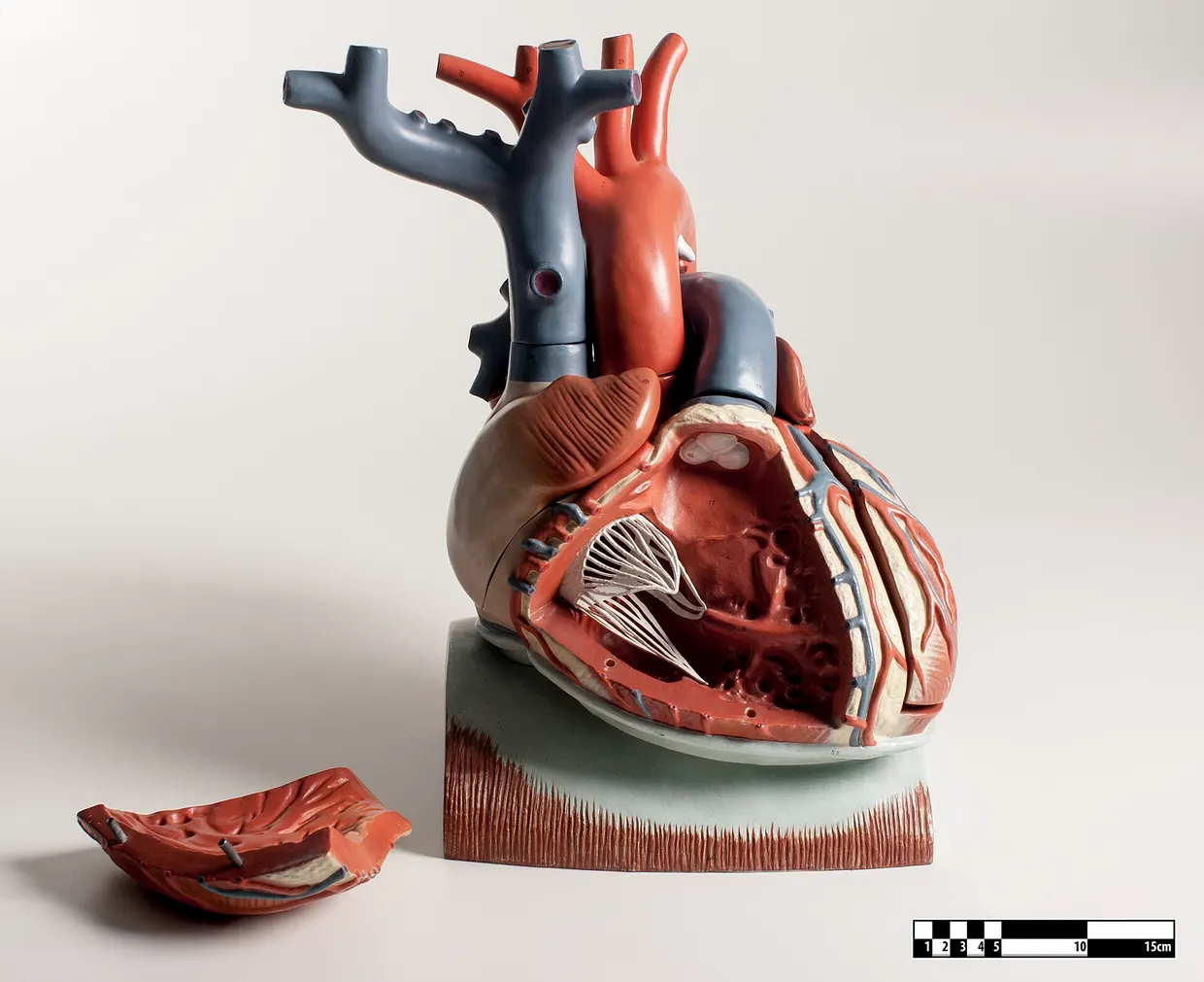
Aleksandra Aljakna Khan and Nadia A. Rosenthal of The Jackson Laboratory (USA), together with colleagues from the UK, the USA and Germany, found that the heart does not age uniformly. According to Kopalnia Wiedzy, the largest accumulation of immune cells and connective-tissue cells was observed in the valves and the aortic root of mice kopalniawiedzy.pl
Kopalnia Wiedzykopalniawiedzy.plOpen source ↗. The results were published in Aging Cell.
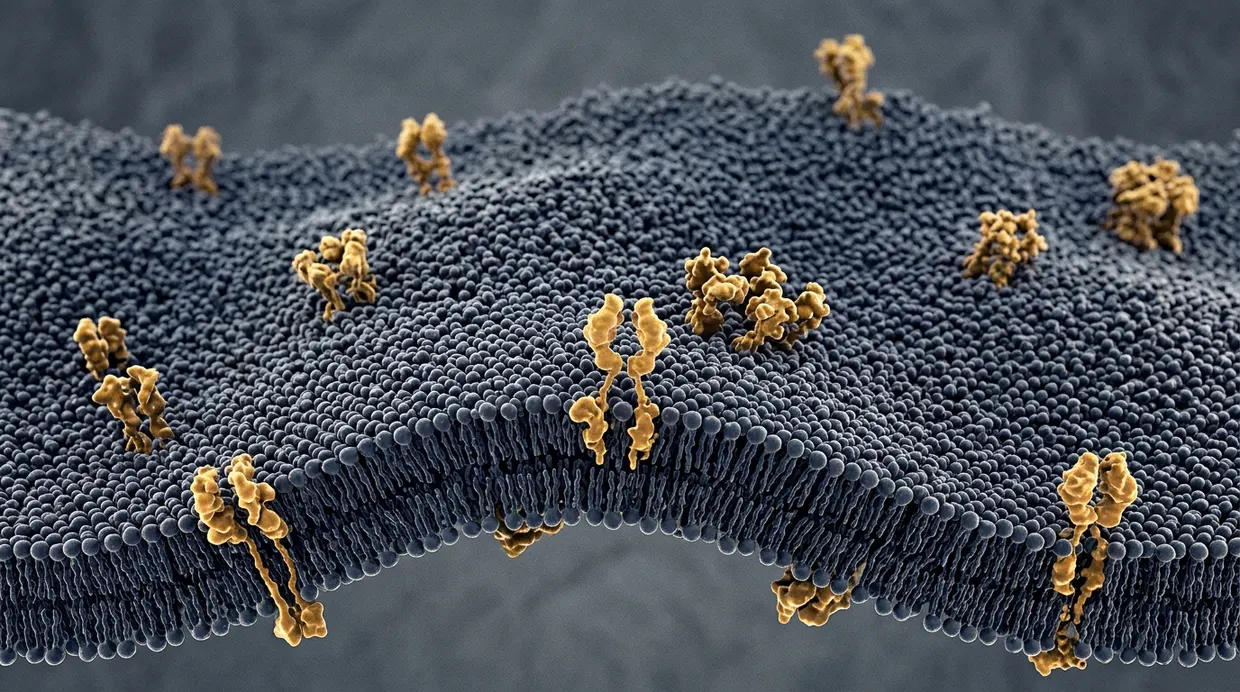
Chronic low-grade inflammation is one of the characteristic features of ageing. It is not a response to infection but results from changes in the immune system and tissues over the years. In the heart, macrophages and fibroblasts play a significant role in this process: macrophages remove microbes and debris of damaged cells and take part in regulating repair, while fibroblasts maintain the extracellular matrix.
Macrophages and fibroblasts in old hearts
Problems arise when the interaction between these cells is disrupted. Activated macrophages can stimulate fibroblasts to overproduce extracellular matrix components, which leads to fibrosis. Altered fibroblasts, in turn, can secrete signals that attract more immune cells and sustain inflammation.
The team compared heart tissue from mice aged 6 months and 24 months. Macrophages and fibroblasts were especially abundant in the valves and the aortic root. In aging hearts, macrophages showed higher activity of genes linked to attracting immune cells and tissue remodeling. Fibroblasts changed the activity of genes responsible for organizing the extracellular matrix and producing collagen kopalniawiedzy.pl
Kopalnia Wiedzykopalniawiedzy.plOpen source ↗.
Sex differences and limits of the study
The analysis also revealed differences between the sexes. In males, aging fibroblasts were more strongly involved in extracellular matrix remodeling and collagen organization. In females, changes related to protein synthesis and the development of heart muscle tissue were more pronounced.
The researchers compared the mouse results with data on the human heart and found partial similarities, including in the activity of genes related to cellular stress and the regulation of cell death. Not all processes were shared by the two species, and it remains unknown whether the same changes occur in humans.
The study does not show that the valves and aortic root are where heart ageing begins. It also does not show that these changes lead to a decline in the organ's function. It does indicate that heart ageing can be considered not only as a process common to the whole organ but as the sum of changes in different locations and between specific cell types kopalniawiedzy.pl
Kopalnia Wiedzykopalniawiedzy.plOpen source ↗. The paper is titled "Alterations in the Immune-Fibrotic Axis Are Spatially Localized in the Aging Heart".