Dyanavel XR 20 mg improved simulated driving safety margins in young adults with ADHD
In a randomized placebo-controlled simulator study, young adults with ADHD kept a greater time to collision and braked less abruptly 10 h after a single amphetamine dose.
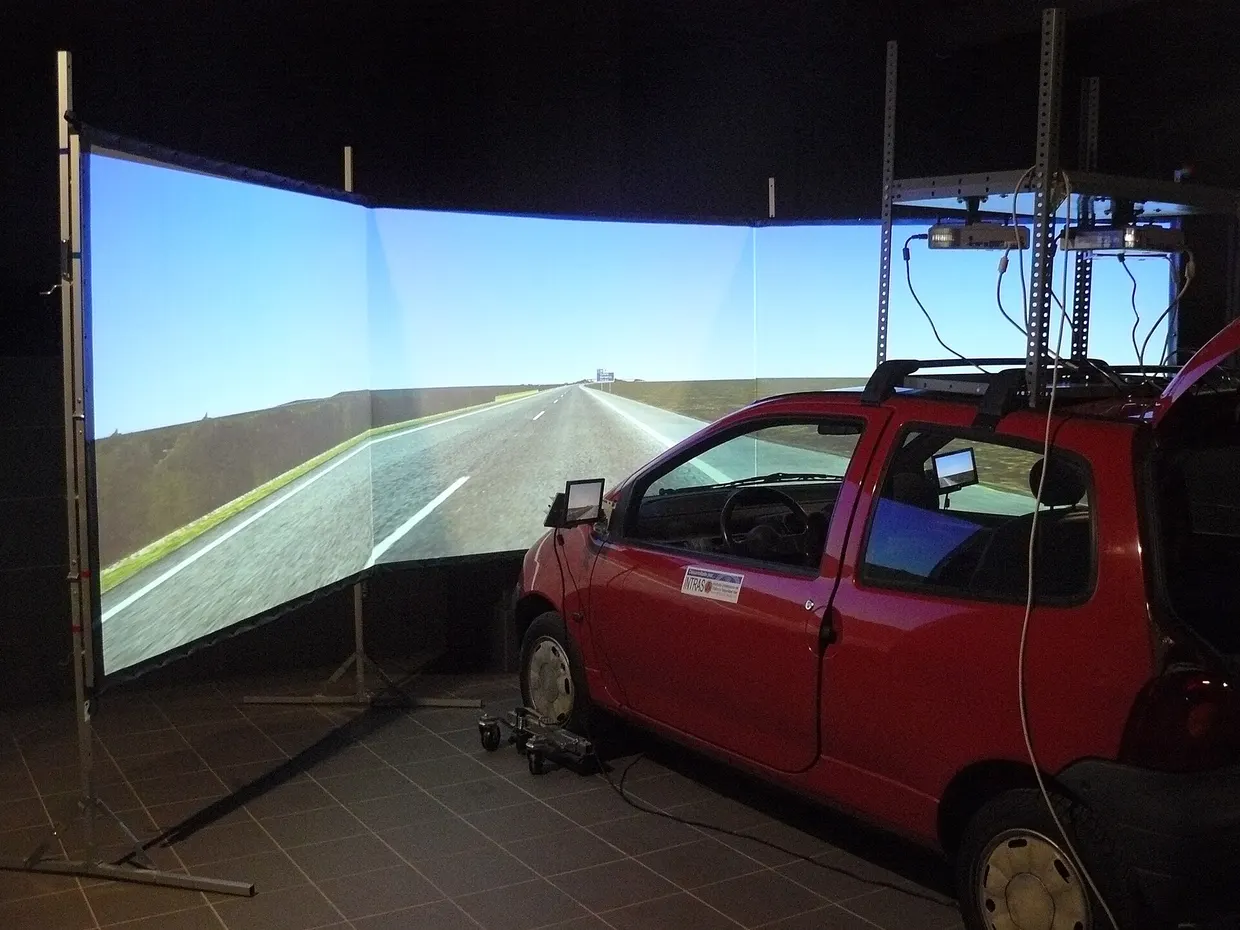
A randomized, double-blind, placebo-controlled study published in Advances in Therapy tested a single 20 mg tablet of extended-release amphetamine (Dyanavel XR, DXR) in young adults with clinically established attention-deficit/hyperactivity disorder (ADHD). Drivers aged 18-25 took simulated drives before the dose, 45 min after it and 10 h after it. The study was completed by 21 participants in the DXR group and 20 in the placebo group springer.com
Advances in Therapyspringer.comOpen source ↗.
Simulator design and endpoints
The single-center study measured safety-related parameters: proximity to a lead vehicle and braking response intensity across eight emergent conflict events per drive, each requiring an attentive response from the driver. The authors describe the methodology as, to their belief, novel among intervention trials. An inattentive driver could come very close to the lead vehicle during a potential conflict, but the lead vehicle dynamics were adjusted so that the participant did not experience a simulated crash that could influence later behavior.
The key secondary endpoint was crash frequency during an event at the end of the third drive. That event did allow an inattentive driver to collide with the lead vehicle. According to the publisher's summary, the tests were run in the MIT AgeLab simulator, with a passenger cabin on a motion platform, a divided two-lane highway with low-to-moderate traffic, no audio entertainment and no personal devices.
Time to collision and braking
For DXR-treated participants with a complete evaluable data set (n = 17), the minimum time to collision and the mean highest braking intensity improved with statistical significance across their three drives springer.com
Advances in Therapyspringer.comOpen source ↗. In the comparison of the 45 min postdose drive with baseline, these changes appeared as a positive trend. In the comparison of the 10 h postdose drive with baseline, they reached statistically significant levels.
The authors conclude that participants who took a morning dose of DXR showed behavior during simulated driving consistent with improved safety-margin behavior (greater time to collision) and less abrupt braking at 10 h postdose. They limit this conclusion to the simulation context. The trial is registered at ClinicalTrials.gov as NCT04027361.