UNSW study screens 47 chemicals in biosolids and flags several that may persist in farmland soil
A UNSW Sydney review of existing studies screened 47 chemicals in biosolids and found several that may persist in soil for months or years.
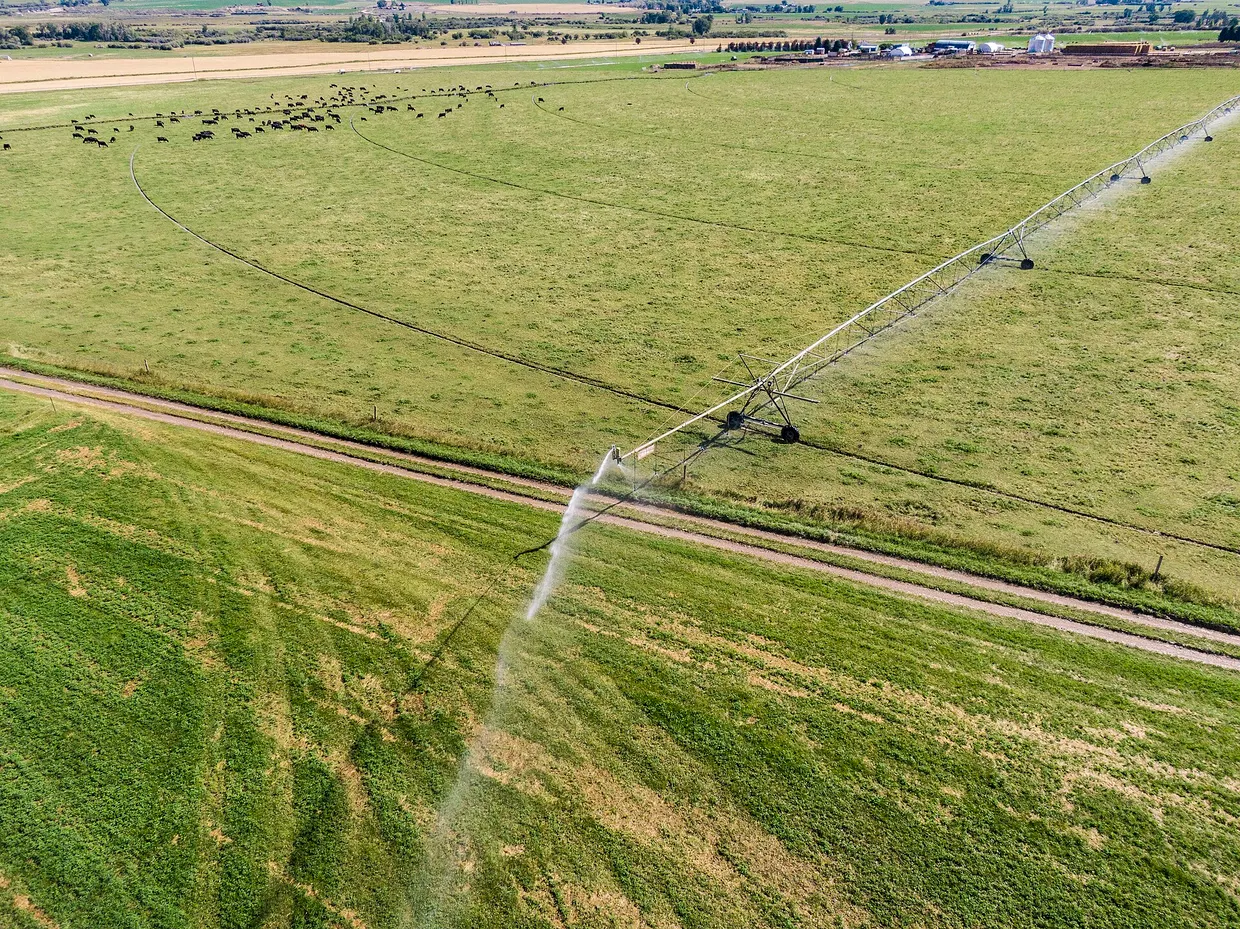
Engineers at UNSW Sydney have screened 47 chemicals detected in biosolids, the treated sewage sludge applied to farmland, to identify those that may need closer monitoring, according to miragenews.com. miragenews.com
miragenews.commiragenews.comOpen source ↗ The study, published in the Journal of Hazardous Materials, was led by researchers at the Water Research Laboratory at UNSW. About 80% of biosolids produced in Australia are reused on farmland as a source of nutrients and organic matter.
How the screening was done
The team ran no new field experiments. They combined findings from existing studies to ask where a chemical goes after biosolids are applied, how long it remains in the environment, and whether concentrations reported in biosolids could matter for plants and animals. The 47 substances include pharmaceuticals, personal care ingredients, industrial chemicals and hormones. They are a small selection of the hundreds detected in biosolids.
Reported concentrations were compared with existing benchmarks for effects on organisms such as algae and small aquatic animals. According to the authors, this is a conservative screening tool, not a measure of human exposure or of food safety.
Chemicals that may persist in soil
Several chemicals could persist in soil for months or even years: some per- and polyfluoroalkyl substances (PFAS), the medicine carbamazepine, the antimicrobials triclocarban and triclosan, and the fragrance chemicals galaxolide and tonalide. miragenews.com
miragenews.commiragenews.comOpen source ↗ Some compounds stay in soil, while others dissolve and may move into groundwater or waterways. Persistent chemicals have more opportunity to accumulate if biosolids are applied repeatedly.
Concentrations also varied considerably between wastewater treatment plants, which the authors say supports site-specific monitoring. The study does not show that the chemicals cause harm on farms, that food grown with biosolids is unsafe, or that people are exposed to harmful levels.
Professor Denis O'Carroll said that if particular contaminants prove to be a concern, options include changing the design or operation of treatment plants, altering how biosolids are applied, and reducing the use of those chemicals at source. The researchers say further work testing actual biosolids and soils under local conditions is needed.