Med Research review links pan-cancer multi-omics to tumor recurrence and metastasis mechanisms
A review in Med Research combines six omics layers into one mechanistic framework for recurrence and metastasis across cancer types.
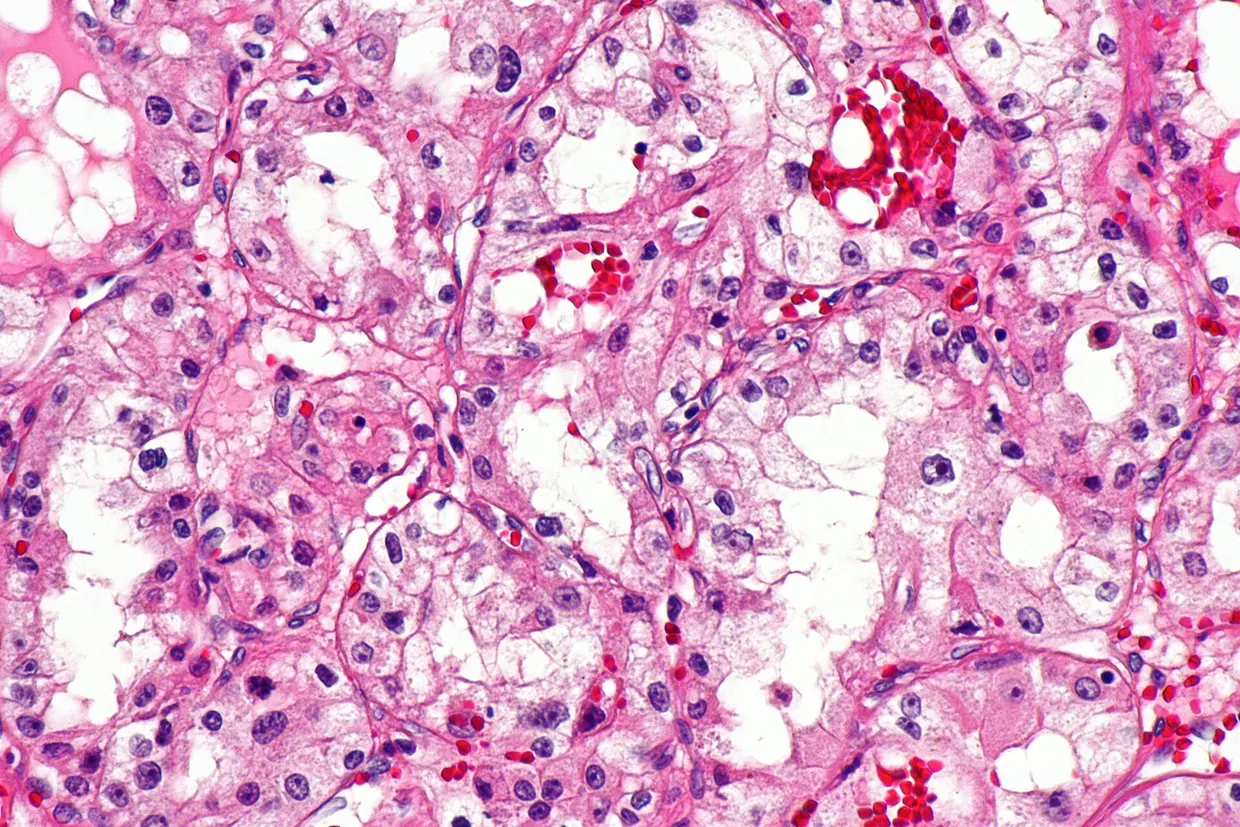
A review in Med Research (DOI 10.1002/mdr2.70098), announced by the International Society for Health Data Science on 10 November 2026, offers a mechanism-oriented pan-cancer view of tumor recurrence and metastasis. The authors, including Wenjun Meng and Weimin Li, integrate evidence from genomics, transcriptomics, proteomics, metabolomics, single-cell and spatial omics wiley.com
Med Researchwiley.comOpen source ↗. This is a literature review, not a new experiment or clinical trial.
The authors state that recurrence and metastasis remain the leading causes of treatment failure and cancer-related mortality. According to the review, these processes arise from dynamic evolutionary interactions among genomic alterations, cellular plasticity and adaptation of the tumor microenvironment. Single-layer molecular analyses cannot fully explain such interactions.
The authors note that earlier reviews covered either pan-cancer metastasis or multi-omics technologies. A unified framework that links shared biological mechanisms across cancer types with multi-omics evidence and clinical translation was, in their words, still lacking.
Shared evolutionary programs
The review does not describe individual technologies one by one. It examines how each omics layer adds complementary information about common evolutionary programs wiley.com
Med Researchwiley.comOpen source ↗. These include clonal selection, cell-state plasticity, immune and stromal remodeling, metabolic adaptation and treatment-induced evolution.
The authors also discuss how multi-omics integration can move from descriptive associations toward mechanistic understanding. They name three approaches: longitudinal sampling, spatial analysis and functional validation.
Translational directions
The review outlines the potential of multi-omics for four clinical tasks [1]:
- recurrence-risk prediction;
- monitoring of minimal residual disease;
- identification of therapeutic vulnerabilities;
- development of perioperative intervention strategies.
By linking shared pan-cancer biological programs with clinically relevant applications, the paper offers a conceptual framework for understanding recurrence and metastasis. It also sets out directions for translating multi-omics findings into precision oncology wiley.com
Med Researchwiley.comOpen source ↗. The figure accompanying the announcement shows the cross-cancer sequence: primary-tumor ecosystem, clonal diversification and genomic instability, cell-state plasticity, microenvironmental selection and dissemination, then local recurrence and distant metastasis.