Lipid LPC (16:0/0:0) linked to ITP in Qilu Hospital study; dexamethasone plus atorvastatin helped mice
In bone marrow macrophages of 61 ITP patients, LPC (16:0/0:0) was the most elevated metabolite; in mice, a dexamethasone–atorvastatin combination outperformed each drug alone.
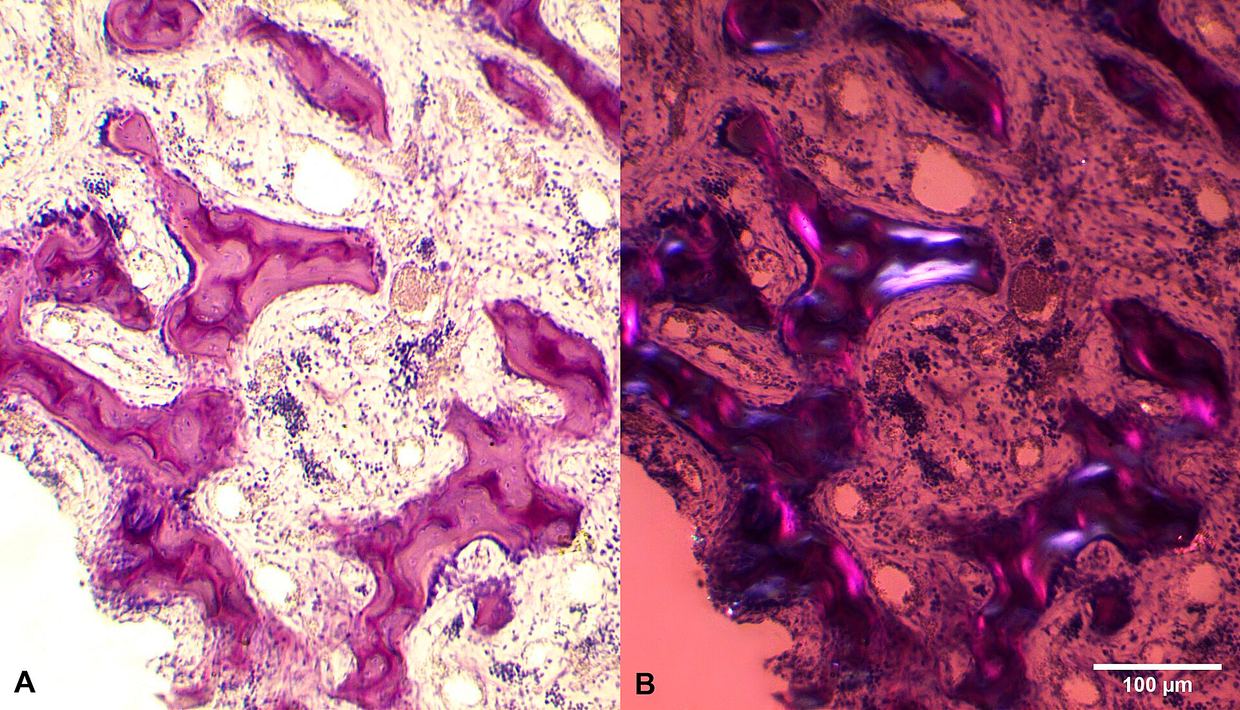
A team from the Department of Hematology at Qilu Hospital of Shandong University (China) reports that the lipid lysophosphatidylcholine LPC (16:0/0:0) is associated with macrophage dysfunction in immune thrombocytopenia (ITP). In the paper published in Chinese Medical Journal, bone marrow samples were collected from 61 patients with ITP and 46 healthy controls between July 2023 and June 2025 doi.org
Chinese Medical Journaldoi.orgOpen source ↗. The work combines patient samples, cell experiments and mouse models. The drug combination was tested only in mice.
LPC (16:0/0:0) in patient bone marrow
Patients with ITP had significantly more M1 macrophages and lower interleukin-10 (IL-10) levels than controls doi.org
Chinese Medical Journaldoi.orgOpen source ↗. Untargeted metabolomics and transcriptomics of sorted bone marrow macrophages (1,755 metabolites and 26,055 genes) showed enrichment of the glycerophospholipid metabolism pathway. LPC (16:0/0:0) was the most significantly elevated metabolite
doi.org
Chinese Medical Journaldoi.orgOpen source ↗. According to the authors, its levels were higher in bone marrow supernatants and plasma of patients, correlated with severe thrombocytopenia, and were especially high at platelet counts below 30 × 10⁹/L
doi.org
Chinese Medical Journaldoi.orgOpen source ↗.
In vitro, LPC (16:0/0:0) suppressed IL-10 secretion by macrophages and enhanced M1 macrophage phagocytosis of platelets; the authors also report increased expression of the receptor CD16 (FcγRIII) doi.org
Chinese Medical Journaldoi.orgOpen source ↗. The lipid reduced the proportion of regulatory T cells (Treg) and increased Th1, Th2 and Th22 differentiation
doi.org
Chinese Medical Journaldoi.orgOpen source ↗. Pretreatment with Ogeromorphin, an inhibitor of the receptor GPR68, reversed the IL-10 suppression and the macrophage polarization, which led the authors to implicate GPR68 as a downstream mediator.
Dexamethasone and atorvastatin in mouse models
In cell experiments, dexamethasone (DXM) or atorvastatin (AT) restored IL-10 levels and inhibited phagocytosis. DXM suppressed Th1 and Th2 differentiation, while AT restored Treg proportions doi.org
Chinese Medical Journaldoi.orgOpen source ↗. In passive and active ITP mouse models, LPC (16:0/0:0) decreased platelet counts and promoted M1 polarization. DXM and AT promoted platelet recovery and macrophage repolarization, and the combination was more effective than either drug alone
doi.org
Chinese Medical Journaldoi.orgOpen source ↗.
The authors describe AT as acting on the upstream metabolic side, lowering LPC, and DXM as acting on the downstream immune side. Glucocorticoids such as DXM remain first-line therapy for ITP, but roughly one-third of patients develop resistance or relapse, according to the release accompanying the paper. The authors note that randomized controlled trials are needed to evaluate the long-term efficacy and safety of the combination in patients with steroid-resistant ITP.