Australia's ADAPT program: 35% of infants with suspected peanut allergy had no reaction to a food challenge
In an observational study of 778 infants challenged at public hospitals, 35% did not react to peanut, so the allergy label could be removed.
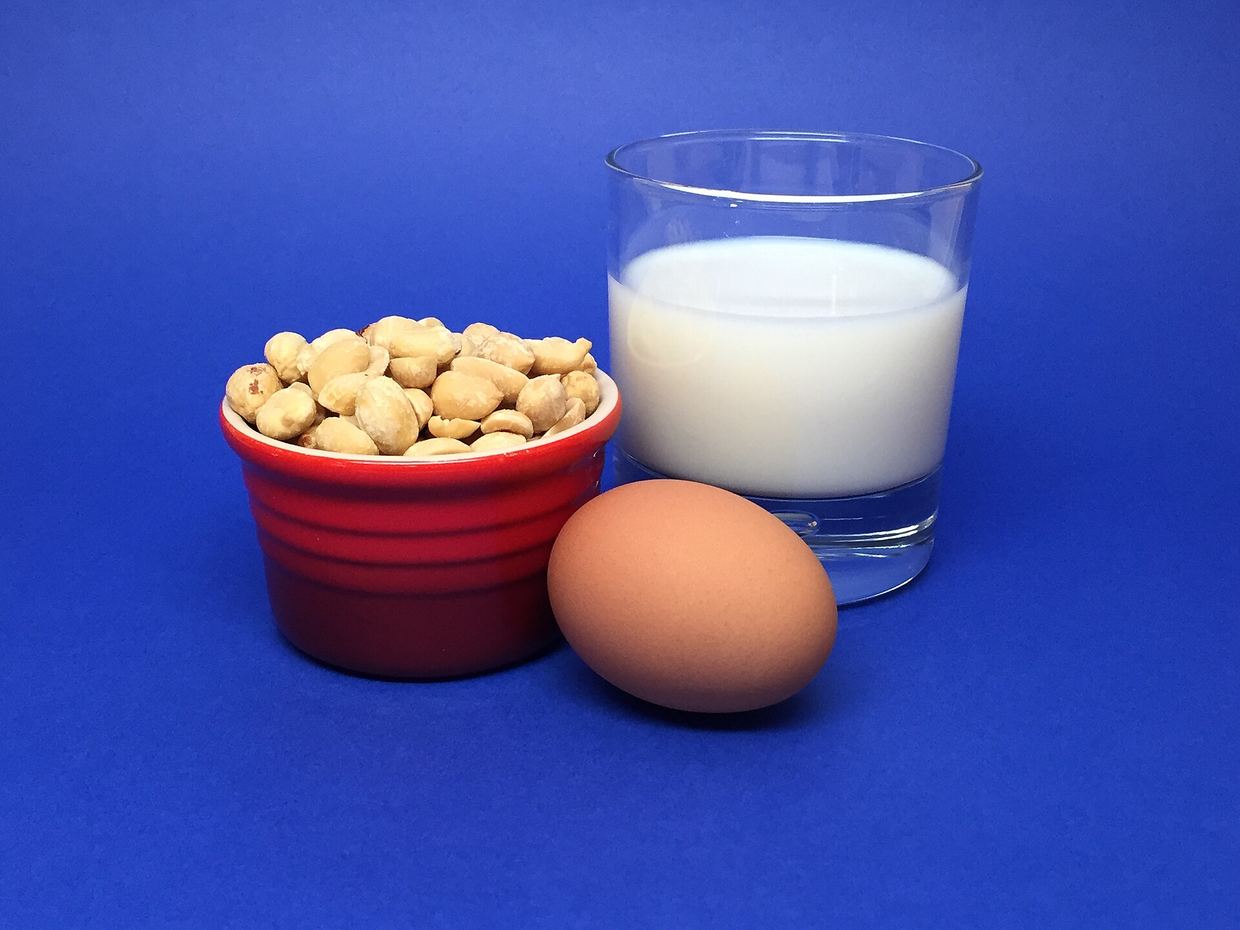
Researchers at Murdoch Children's Research Institute (MCRI) and the National Allergy Centre of Excellence (NACE), working with 10 paediatric public hospitals across Australia, report that 35 per cent of infants with a recent reaction to peanut and a positive allergy test did not react during a supervised oral food challenge, according to EurekAlert. eurekalert.org
EurekAlerteurekalert.orgOpen source ↗ The results were published on 4 November 2026 in The Journal of Allergy and Clinical Immunology: In Practice.
eurekalert.org
EurekAlerteurekalert.orgOpen source ↗
Study design and challenge results
The data come from an evaluation of the ADAPT Peanut Oral Immunotherapy Program, launched in 2024 by NACE, which is hosted at MCRI. ADAPT is described as the first peanut allergy treatment program offered to infants in Australian public hospitals outside a clinical trial. eurekalert.org
EurekAlerteurekalert.orgOpen source ↗ In total, 1275 infants under 18 months old were assessed at hospitals in Victoria, New South Wales, Queensland, South Australia and Western Australia, and 778 of them underwent an oral food challenge.
eurekalert.org
EurekAlerteurekalert.orgOpen source ↗
During a challenge, infants receive increasing doses of peanut under medical supervision to check for an allergic reaction. Of the infants, 65 per cent reacted, including 12 per cent who experienced anaphylaxis. The authors report that all episodes were safely managed by the teams conducting the challenges. eurekalert.org
EurekAlerteurekalert.orgOpen source ↗
The 35 per cent who did not react were considered peanut tolerant. Their allergy label could be removed, allowing them to eat peanut regularly in an age-appropriate form, such as peanut butter. eurekalert.org
EurekAlerteurekalert.orgOpen source ↗
Implications for diagnosis before immunotherapy
Almost all infants who reacted proceeded to peanut oral immunotherapy, a treatment based on daily doses of peanut to build tolerance. Of these, 97.5 per cent successfully started treatment at a dose guided by their challenge results. eurekalert.org
EurekAlerteurekalert.orgOpen source ↗
MCRI's Dr Tim Brettig said that without the challenge, these children would likely have continued to avoid peanut. Professor Kirsten Perrett, NACE Director and ADAPT Program Lead, said oral food challenges are not currently used routinely for every infant with suspected peanut allergy, and that clinical history and allergy testing alone were not enough for an accurate diagnosis in many cases. The authors conclude that a supervised challenge should be routinely considered before an infant starts oral immunotherapy. eurekalert.org
EurekAlerteurekalert.orgOpen source ↗
Australia has some of the highest reported rates of childhood food allergy in the world, with peanut allergy affecting about one in 30 children. eurekalert.org
EurekAlerteurekalert.orgOpen source ↗ One participating family described a reaction at five months, with reddened skin and hives, followed by skin prick and blood tests that suggested a high risk. Their son, now one year old, tolerated the supervised challenge at The Royal Children's Hospital, and the suspected allergy label was removed.
eurekalert.org
EurekAlerteurekalert.orgOpen source ↗