ACS emergency surgery verification linked to 28.8% lower 30-day mortality in a 55-hospital cohort
In a JAMA Surgery cohort of 21,858 patients, hospitals that earned ACS verification for emergency general surgery saw shorter stays and fewer kidney injuries and deaths.
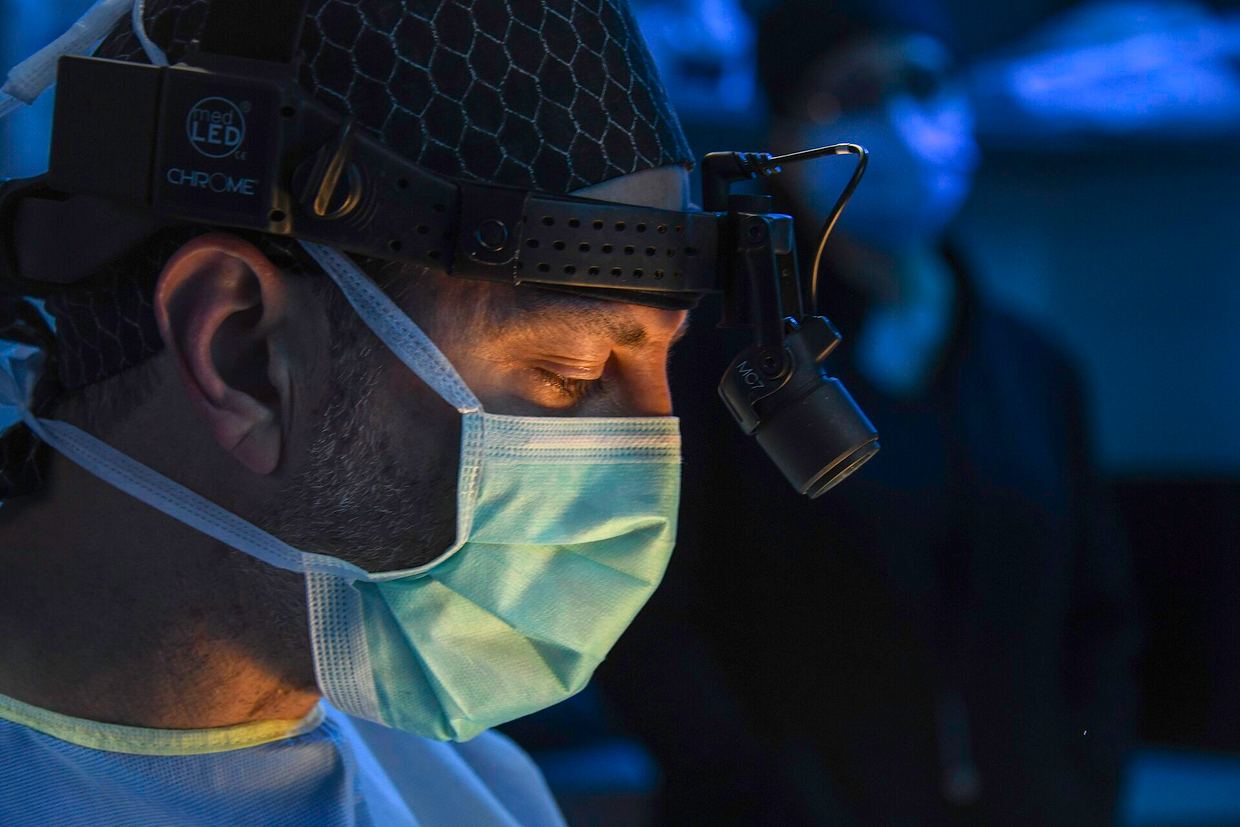
A cohort study in JAMA surgery reports that hospitals that earned the American College of Surgeons (ACS) Emergency General Surgery Verification had shorter patient stays, fewer cases of acute kidney injury and lower 30-day mortality than hospitals without it. The analysis covered 21,858 patients who underwent operative management of emergency general surgery diagnoses between July 1, 2023, and December 31, 2024, at 55 hospitals: 5 verified and 50 control doi.org
JAMA surgerydoi.orgOpen source ↗.
Study design and cohort
The ACS Emergency General Surgery Verification Program was designed and launched in 2023. It includes 43 standards covering hospital structure, care processes and outcome surveillance doi.org
JAMA surgerydoi.orgOpen source ↗. The authors used a quasi-experimental difference-in-differences design with staggered adoption and data from the ACS National Surgical Quality Improvement Program EGS Targeted Dataset. Primary outcomes were mean length of stay, 30-day mortality and acute kidney injury rate, calculated with and without risk adjustment. Effects were estimated with hospital-clustered bootstrap standard errors
doi.org
JAMA surgerydoi.orgOpen source ↗.
Median patient age was 53.2 years (IQR 36.5–68.5), and 12,366 patients (56.6%) were female. Before verification, the verified hospitals treated higher-acuity patients and had higher predicted mortality and kidney injury rates doi.org
JAMA surgerydoi.orgOpen source ↗.
Outcomes and care processes
Verification was associated with an absolute reduction in length of stay of 1.31 days (95% CI, −1.95 to −0.67), in acute kidney injury of 1.23 percentage points (95% CI, −2.00 to −0.46), and in mortality of 1.63 percentage points (95% CI, −2.55 to −0.71). The relative reductions were 19.7%, 29.0% and 28.8%, respectively. The results held after risk adjustment and Bonferroni correction doi.org
JAMA surgerydoi.orgOpen source ↗.
Care processes also changed at verified hospitals. Admission to surgical services rose from 74.8% to 85.7% (P < .001), failure of nonoperative management fell from 25.5% to 19.0% (P < .001), and time to operation shortened by 10.7 hours (P < .001). Each of these processes was independently associated with improvement in all three primary outcomes doi.org
JAMA surgerydoi.orgOpen source ↗.
The study reflects early results from five verified hospitals and a limited follow-up period. Hospitals chose whether to seek verification and to participate in the NSQIP data program, so other differences between hospitals or patients may have influenced the findings. The authors conclude that verification likely contributes to system-level improvement in emergency surgical care, which may be partly explained by better performance on process measures doi.org
JAMA surgerydoi.orgOpen source ↗.