Osaka Metropolitan University: Arabidopsis transporter BOR3 aids directional boron flow without polarity
Researchers combined gene analysis, physiology and modeling in Arabidopsis thaliana. A uniformly distributed BOR3 works with polar channels and diffusion to move boron inward.
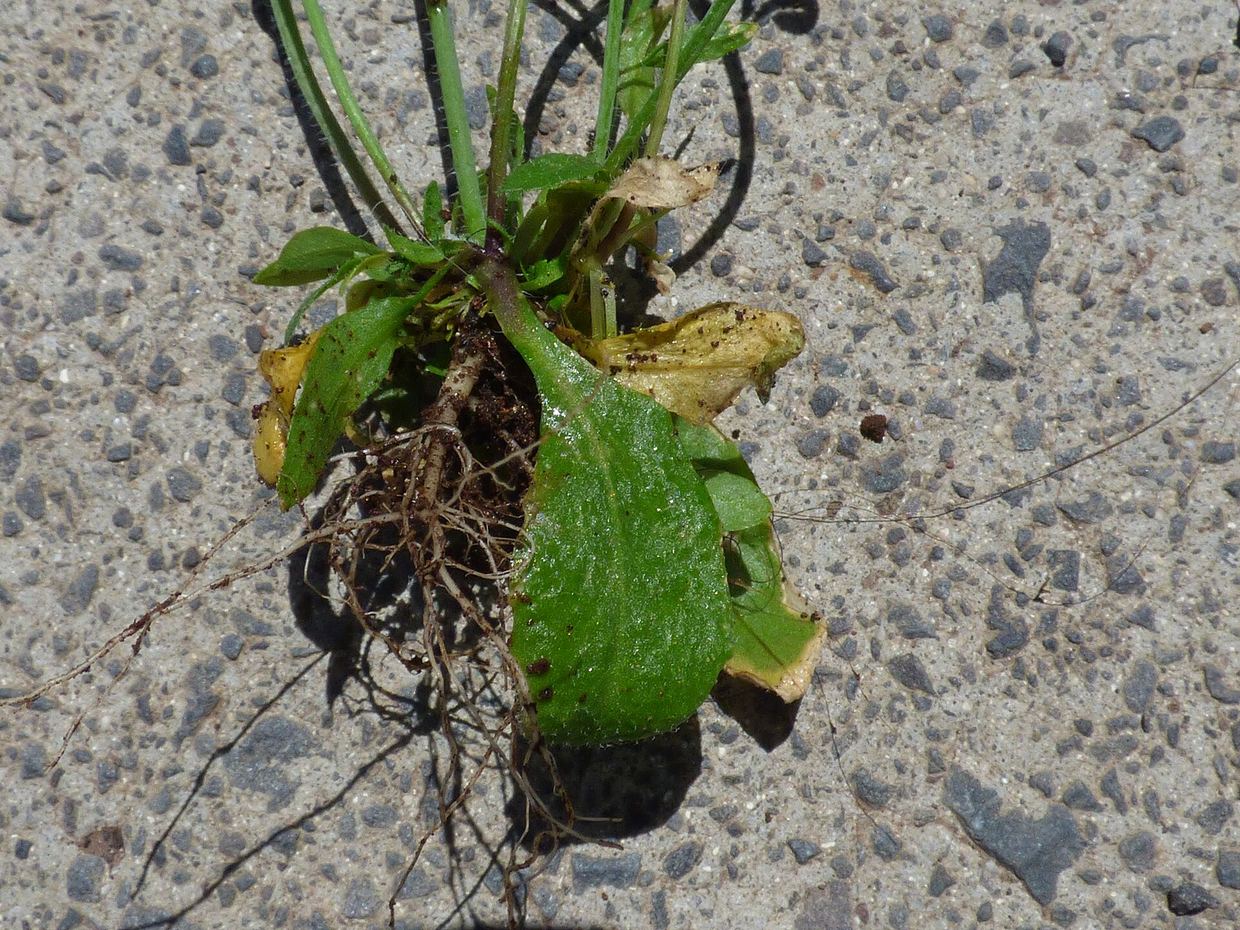
A team led by Osaka Metropolitan University studied the boron transporter BOR3 in the flowering plant Arabidopsis thaliana, according to ResearchSEA. The work combined gene analysis, physiological experiments and mathematical modeling, and was published in Plant Physiology asiaresearchnews.com
ResearchSEAasiaresearchnews.comOpen source ↗. Lead author Naoyuki Sotta, assistant professor at the Graduate School of Agriculture, said the aim was to test whether directional transport in multicellular tissues requires polarly localized transporters
asiaresearchnews.com
ResearchSEAasiaresearchnews.comOpen source ↗.
Boron is essential for plant growth. Its deficiency can inhibit the expansion of young leaves, reduce root elongation and impair fertility. In most plants boron is transported mainly through the xylem, a one-way pathway from roots to leaves asiaresearchnews.com
ResearchSEAasiaresearchnews.comOpen source ↗.
Boron transporters and polar localization
It has traditionally been thought that directional transport requires transporter proteins to concentrate on one side (pole) of the cell. The related transporters BOR1 and BOR2 are well characterized and sit unevenly in root-cell membranes, supporting movement in one direction. The function of BOR3 had remained unclear asiaresearchnews.com
ResearchSEAasiaresearchnews.comOpen source ↗.
Plants lacking BOR1, BOR2 and BOR3 had significantly shorter roots than plants lacking only BOR1 and BOR2. The authors take this as strong evidence that BOR3 contributes to boron uptake and transport through the roots asiaresearchnews.com
ResearchSEAasiaresearchnews.comOpen source ↗. At the same time, BOR3 is not noticeably polarized: it is distributed largely uniformly on the plasma membrane
asiaresearchnews.com
ResearchSEAasiaresearchnews.comOpen source ↗.
Diffusive alliance transport
Modeling of boron movement through root tissues indicated a combination of apolar and polar processes. The researchers call the mechanism diffusive alliance transport (DAT) asiaresearchnews.com
ResearchSEAasiaresearchnews.comOpen source ↗.
DAT relies on the interplay between membrane transporters and diffusion through the apoplast, the network of spaces outside plant cells, including cell walls and intercellular spaces. Through polarly localized channels, boron first accumulates in the apoplast next to one cell and then diffuses into a neighboring inner cell. There BOR3 exports it into the surrounding apoplast on both sides of the cell asiaresearchnews.com
ResearchSEAasiaresearchnews.comOpen source ↗.
This raises boron levels in the more internal apoplastic compartment and creates a concentration difference between neighboring compartments. Repeated from cell to cell, the process gradually produces a net inward flow of boron and allows higher concentrations to build up deeper inside the root asiaresearchnews.com
ResearchSEAasiaresearchnews.comOpen source ↗.
The team plans to investigate whether DAT operates in other biological transport systems and how it functions in more complex tissues asiaresearchnews.com
ResearchSEAasiaresearchnews.comOpen source ↗.