Isotopes in bones of Himera children: solid food from 3 months, breastfeeding to 3.8 years
Analysis of bones of 58 children and 27 women from the Greek colony of Himera in Sicily shows earlier complementary feeding and longer breastfeeding than ancient physicians advised.
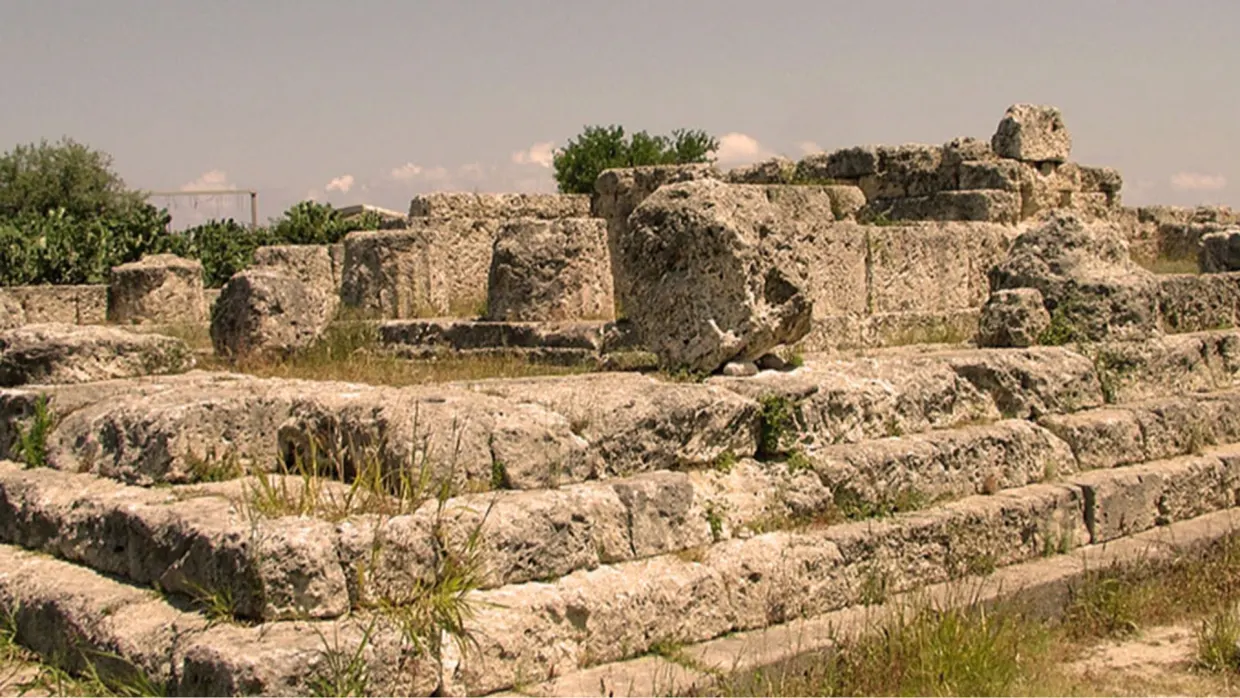
Researchers analysed the chemical composition of bones of 58 children and 27 adult women from Himera, a Greek colony in Sicily that existed in the seventh to fifth centuries BC, to establish how infants were fed. According to the paper on cambridge.org, solid foods were introduced at about three months, and breastfeeding lasted on average until about 3.8 years cambridge.org
cambridge.orgcambridge.orgOpen source ↗. The study was published in the European Journal of Archaeology; the remains are more than 2,500 years old.
The colony and the method
Himera was the western-most Greek outpost in Sicily. It was founded by colonists of Dorian and Chalcidian backgrounds and grew into a large city with Greek, Phoenician and indigenous Sicilian influences. More than 13,000 burials from its cemeteries have been investigated, but research on the city's children is still at an early stage.
Written sources, art and grave goods give an uneven and symbolic picture of childhood. Nearly 500 baby bottles (gutti) were found in graves at Himera, but they also occur in adult burials and only four were found within the city, which suggests a symbolic role. The authors therefore turned to stable isotope ratios of carbon (δ13C) and nitrogen (δ15N) in human remains. Nitrogen values show how long a child was breastfed, and carbon values indicate which plant-based solid foods were eaten once milk was no longer the only food.
Weaning age and foods
Solid food was introduced about three months earlier than the physicians Galen and Soranus recommended. Breastfeeding lasted considerably longer than they advised: Soranus recommended weaning at 1.5–2 years, Galen at 3 years.
Among the foods Soranus proposed for gradual weaning were honey, bread, sheep or goat milk, wine, spelt soup, cereal porridge and eggs. Isotope values of most of them are consistent with those found in the children's bones.
The diet of adults in Himera was mostly plant-based, supplemented with animal protein. The isotope data suggest that animal products may have played a smaller role than the traditional description of Greek diet implies. The children's diet probably contained even more plant food than the adults'.
Differences with adults and child mortality
The children's diet differed from the adults' until about 9–10 years, and after that age the differences disappeared. The authors note that this may indicate that the age of ten was a socially significant stage in the life of Himera's residents.
Child mortality in Himera was relatively low, and the researchers suggest that long breastfeeding may have been one of the reasons. According to Lori Reitsema of the University of Georgia, breast milk is especially important for infant survival in societies without reliable access to safe drinking water.