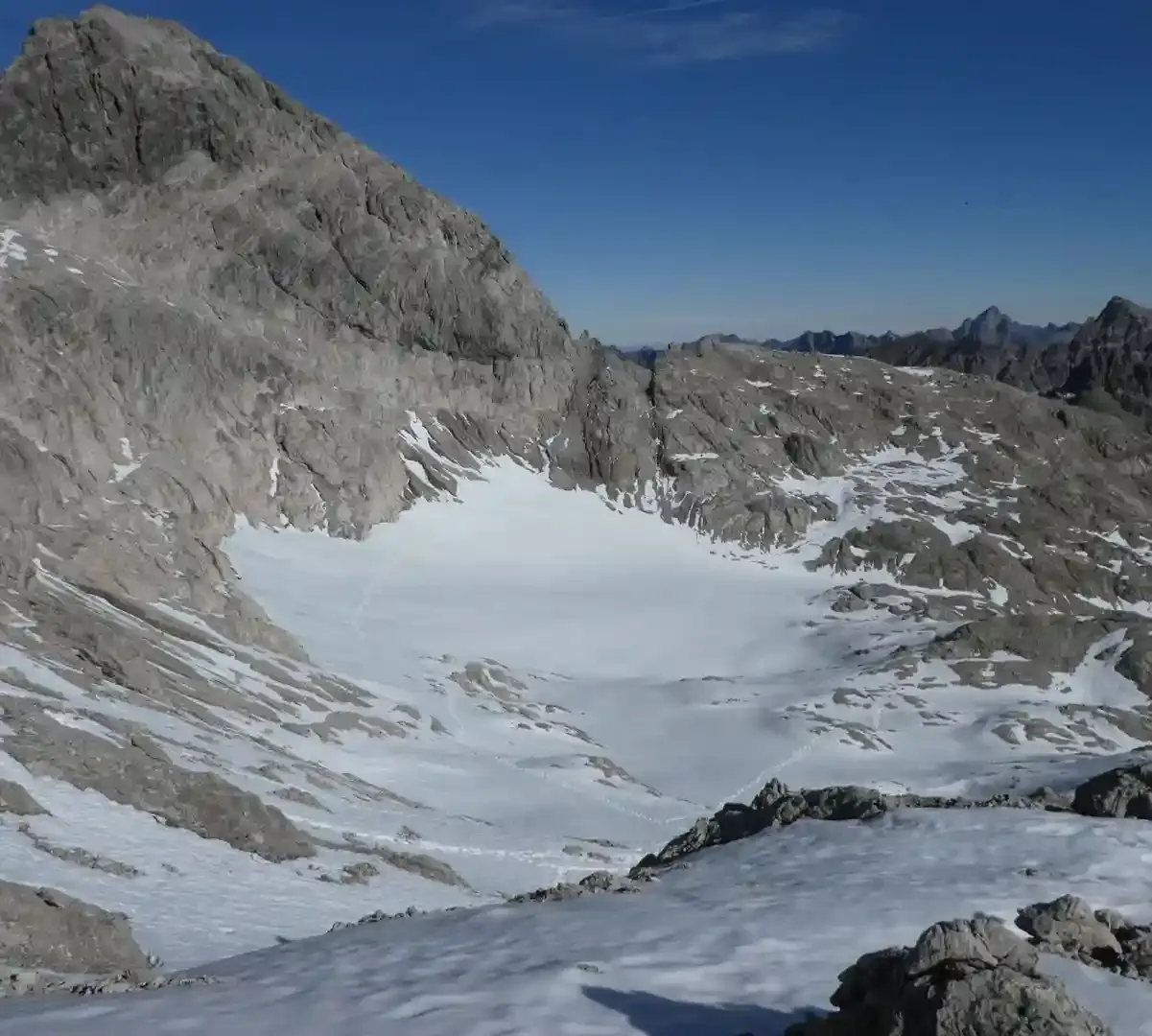
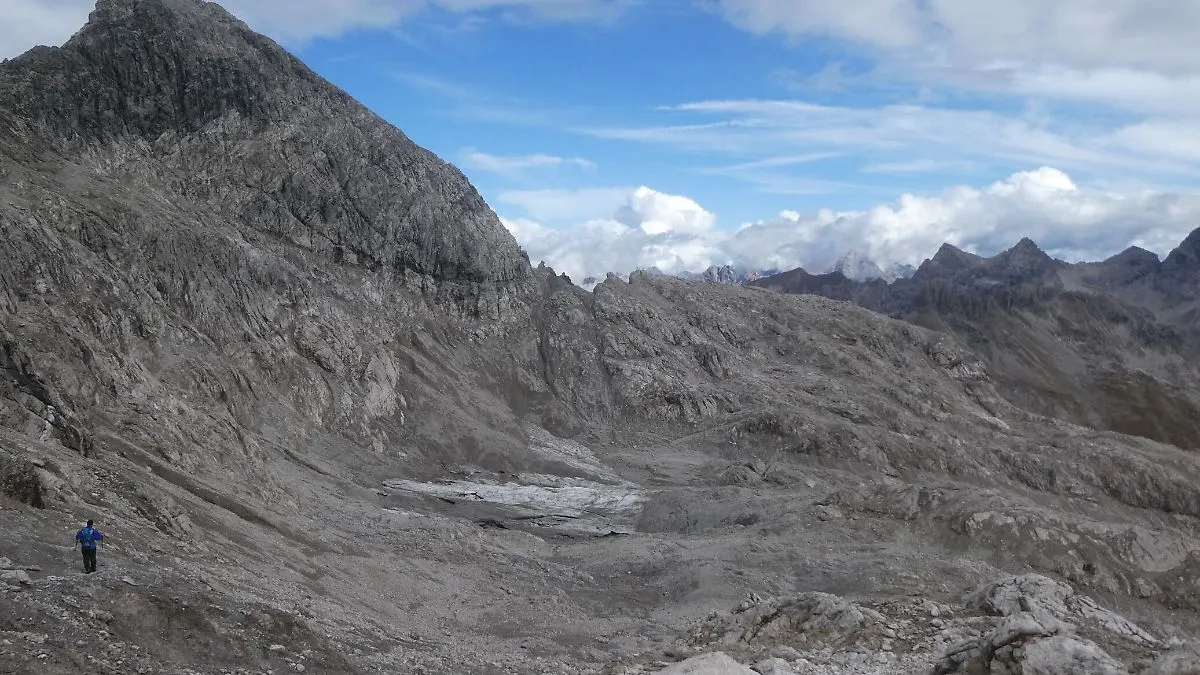
Barnes Ice Cap data point to glacial regrowth ~2000 years ago, reversed by modern warming
Radiocarbon dating of plants under Canada's Barnes Ice Cap places the start of regrowth about 2000 years ago; the authors say summer warming ended it.
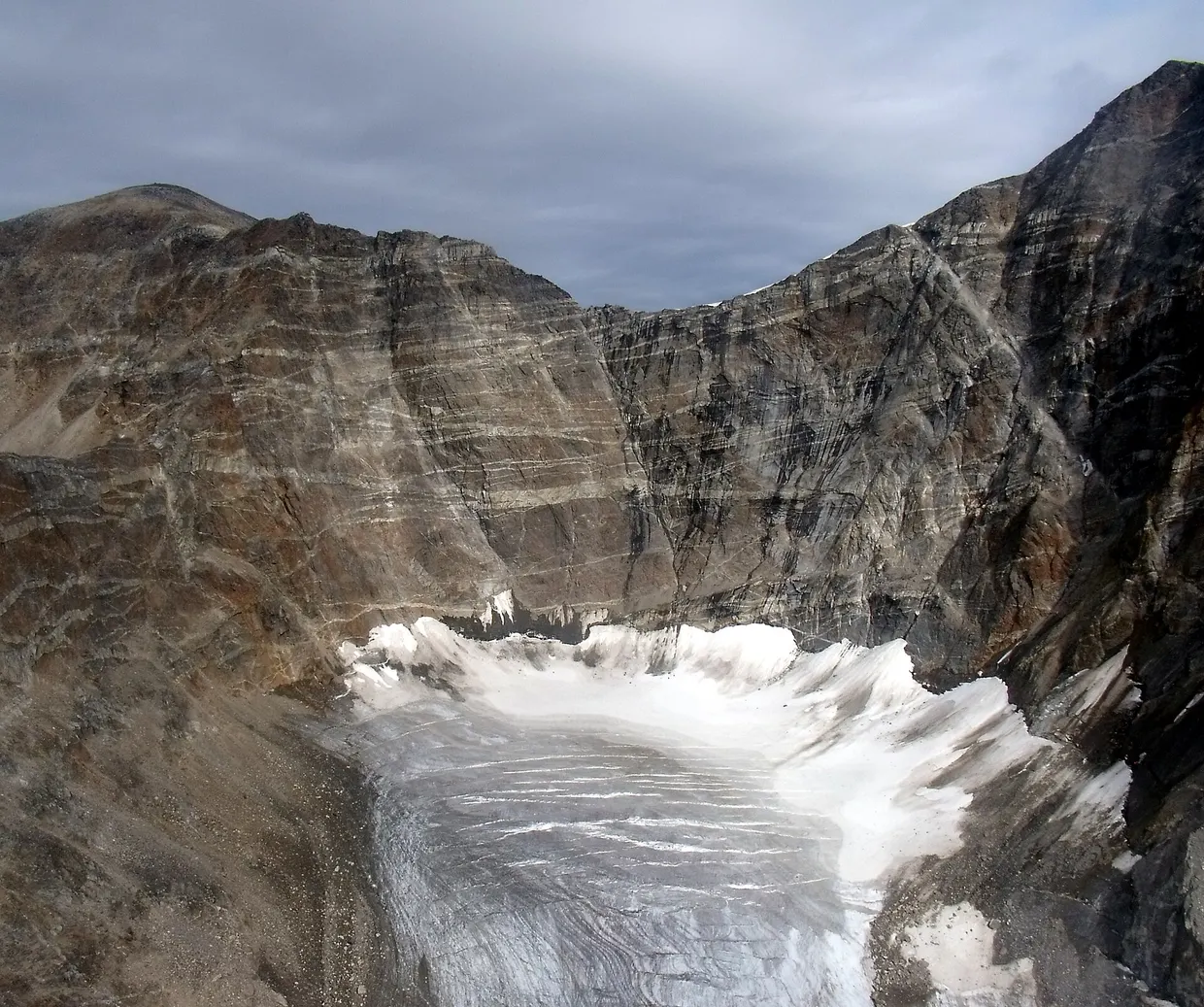
A team led by Nicolás Young of the Lamont-Doherty Earth Observatory (Columbia Climate School) reported in Science on 22 October 2026 that the Barnes Ice Cap on Baffin Island, Canada, began expanding about 2000 years ago. The authors interpret this as the onset of the next glaciation science.org
Sciencescience.orgOpen source ↗. According to the paper, the ice reached its maximum dimensions around 1960 CE, after which anthropogenic summer warming produced a negative mass balance and ice margin recession.
Barnes is the last remaining remnant of the Laurentide Ice Sheet, the largest of the Pleistocene ice sheets. According to the publication's retelling, that ice sheet covered much of Canada and the northern United States from about 95,000 to 20,000 years ago. Today the Barnes Ice Cap is roughly the size of Delaware.
How the timeline was reconstructed
Advancing glaciers usually erase evidence of their earlier boundaries. Barnes is an exception: it is frozen to its bedrock and does not slide over the ground, so when it expanded it buried vegetation rather than scraping it away. Its retreat since 1960 has gradually exposed these preserved plants.
The researchers dated the plants by carbon-14, which decays at a predictable rate after an organism dies. Each date marks the moment the advancing ice covered the plant, so a series of dates tracks the expansion of the margin. The team combined samples from Barnes with vegetation exposed by melting of smaller ice caps nearby. By their reconstruction, the ice cap reached its minimum interglacial dimensions after ~3.6 thousand years ago and began reexpanding about 2000 years ago science.org
Sciencescience.orgOpen source ↗.
What the authors conclude
The researchers propose that this first renewed growth should count as the start of a glacial period, long before continental ice sheets form. Earlier modeling studies placed the next glaciation thousands or tens of thousands of years away. Young says noticeable cooling would have taken thousands of years, and restoring the continental reach of the Laurentide would have required about 30,000 years.
By the 1960s the ice cap was losing more ice in summer than it gained in winter. Models project that it will melt completely within the next few centuries. The authors write that the end of the next glaciation, despite the ongoing decline in summer insolation, illustrates the influence of anomalous greenhouse gas forcing on climate. With greenhouse gas concentrations elevated, scientists cannot say when another glaciation might begin.