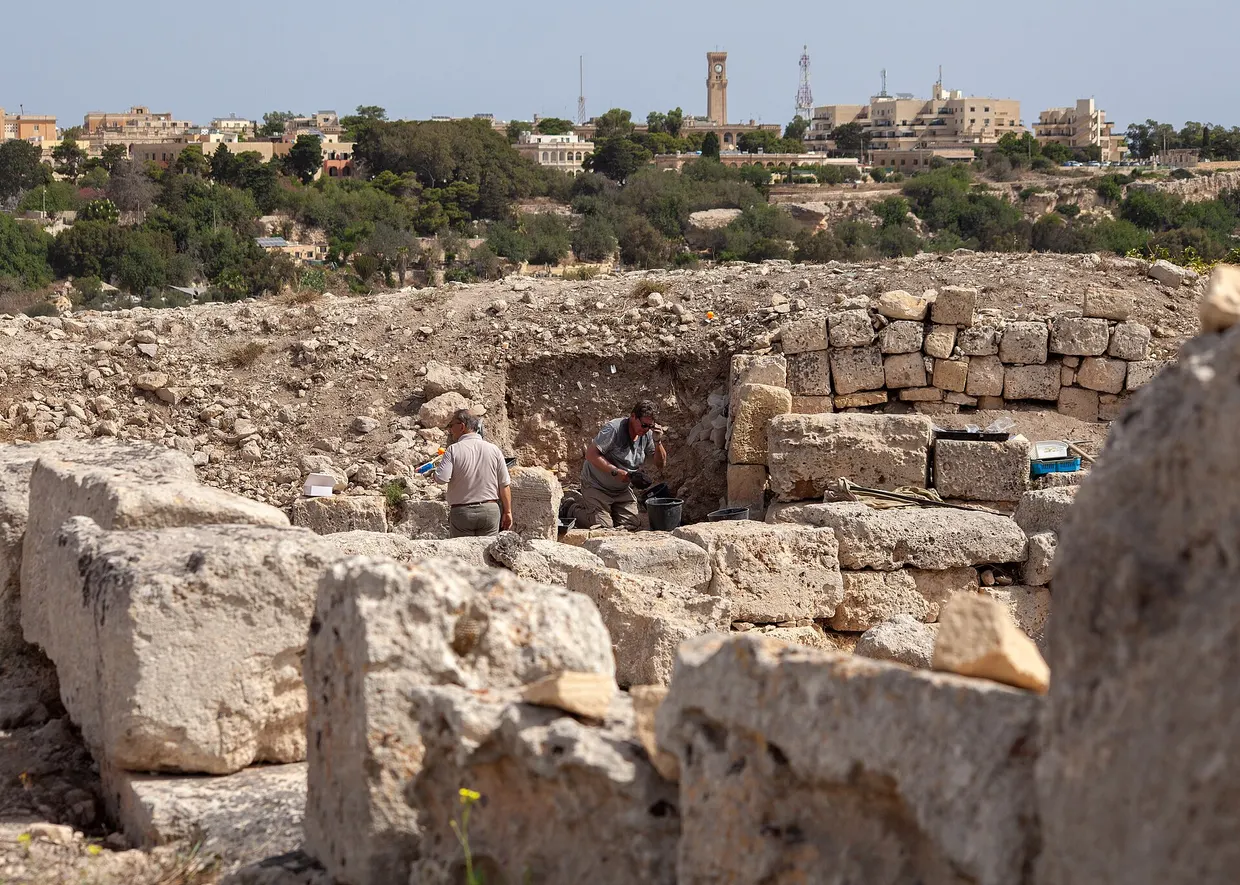
Hebrew University archaeologists find a 2,000-year-old ritual bath complex near Jerusalem's Temple Mount
The complex has three large ritual baths, a pool and a water supply system. Researchers say pilgrims used it for purification before visiting the Second Temple.
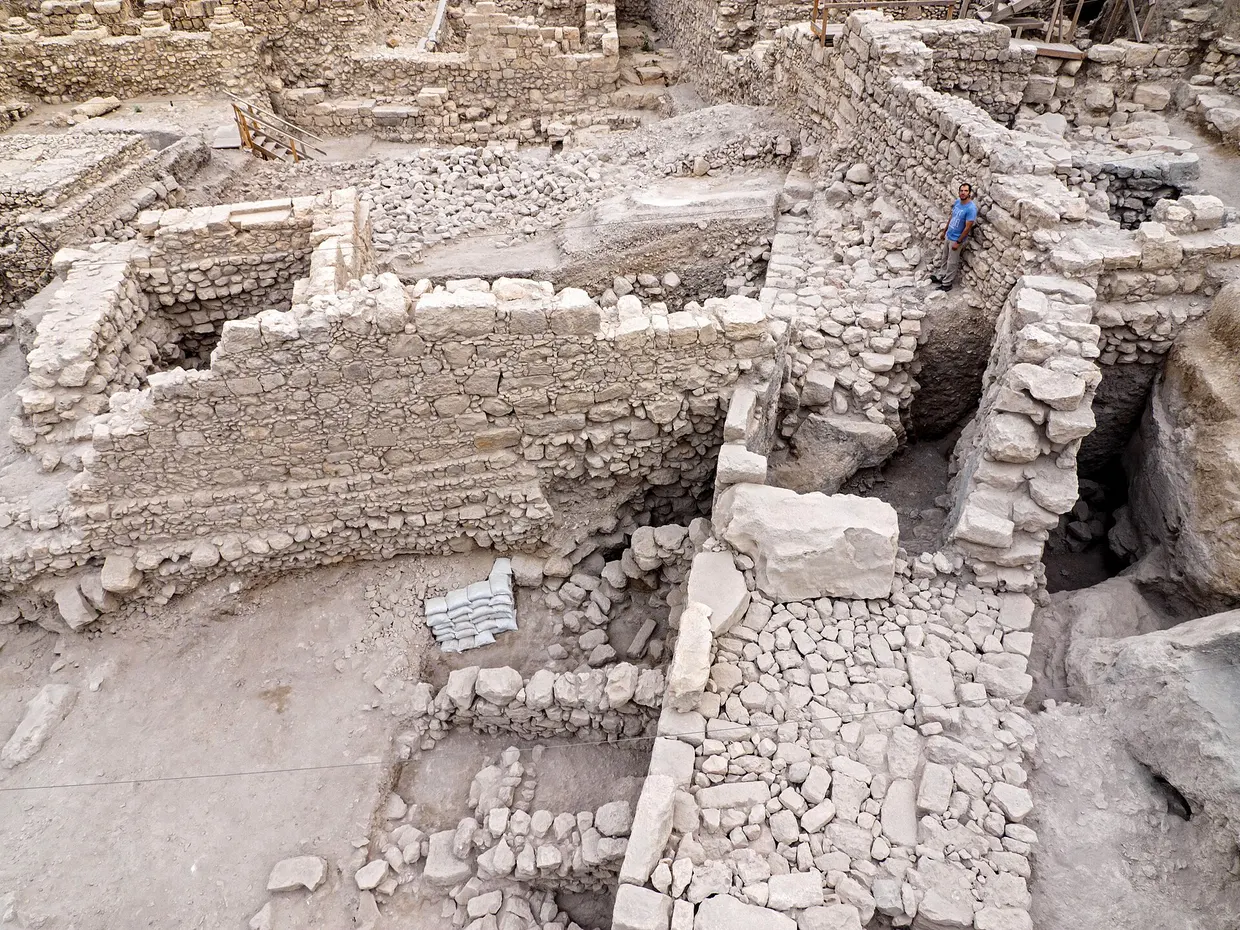
Archaeologists from the Hebrew University of Jerusalem have uncovered a ritual bath complex near the Temple Mount in Jerusalem, orthodoxnews.de reports, citing Fox News. The complex was built at the beginning of the first century CE, so it is about 2,000 years old orthodoxnews.de
orthodoxnews.deorthodoxnews.deOpen source ↗. The university had already presented the find in September.
The complex includes three large ritual baths, a plastered pool, a paved plaza and an extensive water supply system. It lies south of the Temple Mount, near the ancient access known as the Triple Gate. The excavations were carried out at the foot of the Temple Mount.
Ritual baths for Temple pilgrims
According to the researchers, Jewish pilgrims used the baths for ritual purification before entering the Second Temple. The researchers say the discovery gives an insight into the religious life of Jerusalem in the time of Jesus Christ. The find combines several types of structures in one place: baths, a pool, a paved plaza and a branched water system.
The report does not give the dimensions of the baths, the depth of the cultural layers or the dates of the excavation work.
Traces of the Roman destruction in 70 CE
The site also preserves traces of the destruction of Jerusalem by Roman troops in 70 CE orthodoxnews.de
orthodoxnews.deorthodoxnews.deOpen source ↗. On the floor and among the debris of one of the ritual baths, archaeologists found dozens of coins from the time of the First Jewish Revolt against Rome. The coins were found together with the collapsed remains of the bath, which ties the layer to the events of that year.