L-carnitine from red meat activates the pyrin inflammasome in mouse and human macrophages
In a Cell study, L-carnitine, abundant in muscle, amplified inflammation in LPS-challenged mice and primed macrophages. No trials of human diets were done.
Researchers at Yale School of Medicine reported in Cell that L-carnitine drives inflammasome activation in mice challenged with bacterial lipopolysaccharide (LPS) and in LPS-primed mouse and human macrophages sciencedirect.com
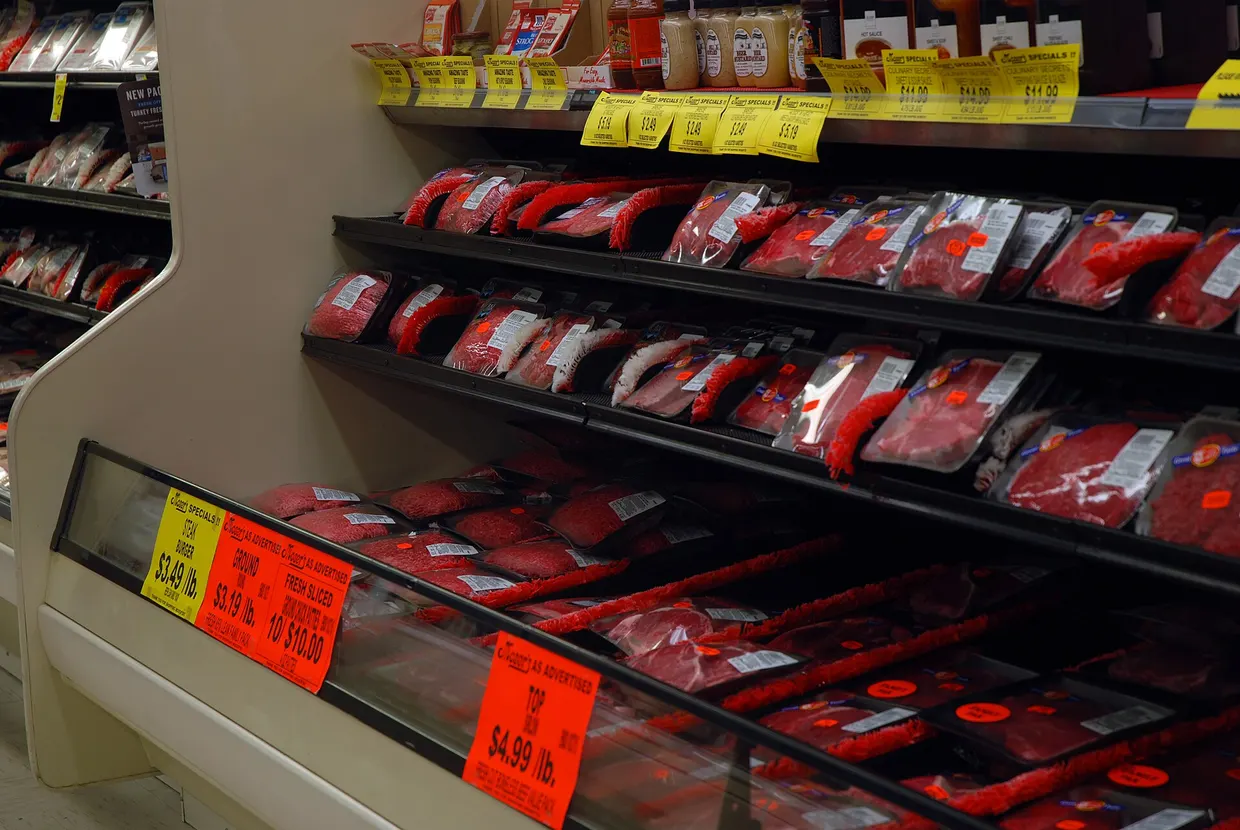
Cellsciencedirect.comOpen source ↗. L-carnitine is an amino acid highly concentrated in skeletal muscle and present in red meat and some exercise supplements. Red-meat diets are epidemiologically associated with chronic inflammatory diseases, but how red meat provokes inflammation was unclear.
Mechanism: mevalonate and pyrin
The authors found that extracellular L-carnitine represses mevalonate synthesis. This triggers activation of the pyrin inflammasome, downstream of carnitine import into the cell by the high-affinity transporter OCTN2. Normally, carnitine helps move certain fats into mitochondria.
The team became interested in carnitine while studying severe inflammation, where carnitine levels fell in their animal model. They first asked whether restoring it would help the animals. The result was the opposite: giving carnitine to mice already exposed to a bacterial toxin worsened their outcomes. According to the publication's retelling, the chain of events in mice involved the inflammatory messenger IL-17 and contributed to more deaths after toxin exposure.
Muscle injury and limits of the data
The inflammatory response to skeletal muscle injury also required pyrin and OCTN2 sciencedirect.com
Cellsciencedirect.comOpen source ↗. The authors conclude that macrophages act as sentinels of exogenous and endogenous extracellular L-carnitine, which serves as a proxy for damage to muscle cells.
The human part of the work used isolated immune cells. The study did not follow people eating red meat or taking supplements. Substantial inflammation was already present before carnitine amplified the response, so the finding describes how cells that are already on alert sense carnitine. A meal contains many substances that may act differently together than a single compound in a controlled experiment.
The authors say the work opens the way to examining how excess dietary intake of carnitine-rich food may drive inflammatory disease. They also name the carnitine transporter and the signals released afterward as points in the chain to investigate, including in sepsis.