USC phase IIa trial: 2 g/day DHA raised CSF DHA/AA ratio but did not change cognition over 24 months
In a 365-person phase IIa trial, high-dose DHA reached cerebrospinal fluid in adults at higher dementia risk, but memory, thinking and brain volumes did not differ from placebo.
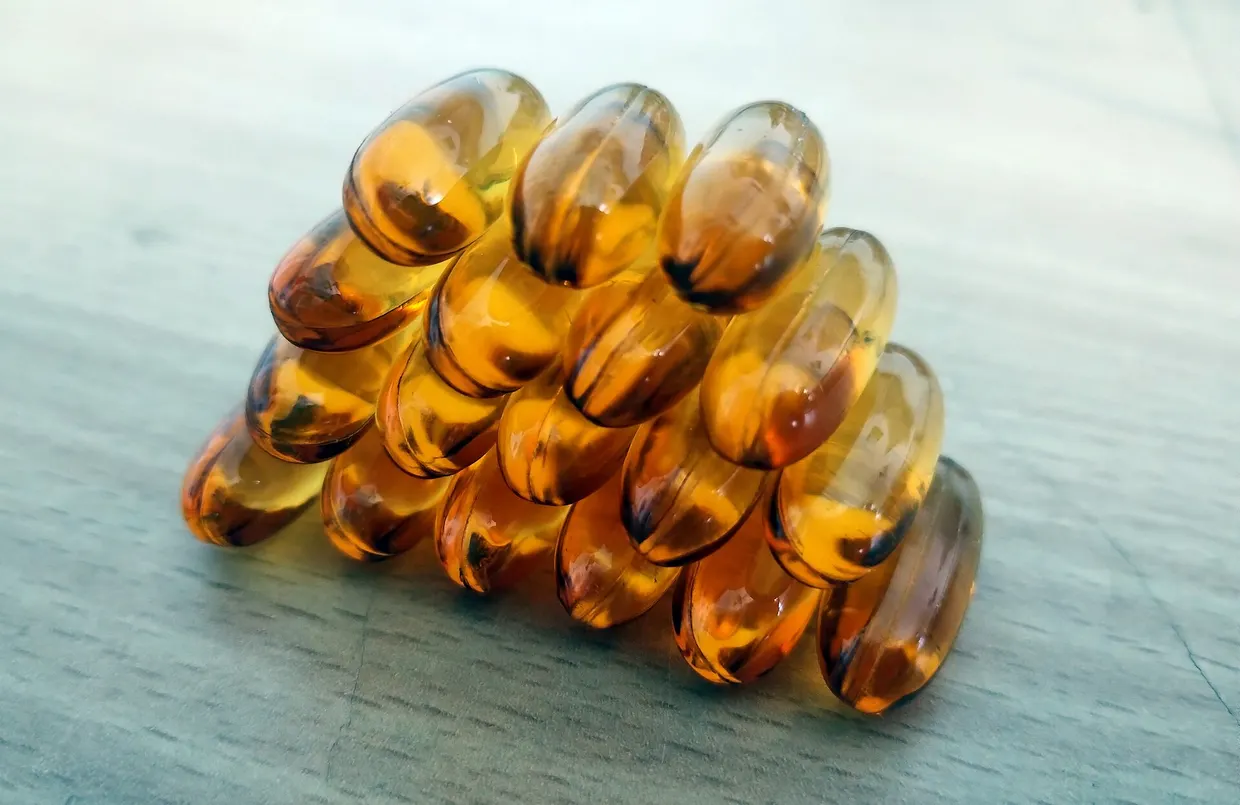
Researchers at the University of Southern California reported the results of a randomised, double-blind, placebo-controlled phase IIa trial of high-dose docosahexaenoic acid (DHA) in the journal EBioMedicine. The trial ran from September 2018 to May 2024 and lasted 24 months for each participant. Of 739 people screened, 365 were randomised: 181 to the lumbar puncture arm and 184 to the no-lumbar-puncture arm. sciencedirect.com
EBioMedicinesciencedirect.comOpen source ↗
Participants were aged 55 to 80, had no dementia, consumed less than 200 mg of DHA per day and had at least one dementia risk factor. The mean age was 66.4 years (SD 5.7). In total, 210 participants (58%) were female, 142 (39%) were Hispanic and 173 (47%) carried the APOE ε4 variant, which is associated with higher Alzheimer's disease risk.
Design and dosing
Within each arm, participants were randomised 1:1 to 2 g/day DHA or placebo, stratified by APOE ε4 status. According to the publication that summarised the work, the DHA was algae-derived and both groups also received B vitamins. The primary outcome was the change in the ratio of DHA to arachidonic acid (AA) in cerebrospinal fluid (CSF) at 6 months. Secondary and exploratory outcomes included neuroimaging and cognitive measures at 24 months.
Results: biochemistry changed, cognition did not
At 6 months the CSF DHA/AA ratio rose by 0.17 (95% CI 0.15–0.18) in the DHA group and changed by -0.02 (95% CI -0.04 to -0.0004) in the placebo group. The difference was 0.19 (95% CI 0.16–0.21; p < 0.0001). The effect did not depend on APOE ε4 status (interaction p = 0.71). sciencedirect.com
EBioMedicinesciencedirect.comOpen source ↗
Over 24 months, the authors observed no treatment differences in brain volumes or cognitive performance. Adverse events were comparable between groups, and no serious adverse events were attributed to treatment.
Dropout was 38%, mainly because of COVID-19. The trial tested one standardised dose in people with low omega-3 intake and did not compare diets. The authors concluded that high-dose DHA engaged its target in the central nervous system without changes in cognition or brain structure, and that future research should prioritise brain DHA metabolism over further supplementation trials.