UT Southwestern: single-pill hypertension therapy cut systolic pressure 19 points in a 1,706-patient trial
In a four-year randomized trial in Colombia and Jamaica, a polypill with two or three drugs outperformed stepped care in patients with uncontrolled hypertension at 18 months.
Researchers at UT Southwestern Medical Center, together with colleagues in Colombia, Jamaica and the U.S., report that a single pill combining antihypertensive drugs lowered blood pressure more than usual multi-pill treatment in patients with uncontrolled hypertension, according to newswise.com. newswise.com
newswise.comnewswise.comOpen source ↗ The results were presented in the Late-Breaking Science session of the 2026 American Heart Association Scientific Sessions and published in JAMA.
Trial design
The Caribbean and South American Team-Based Strategy to Control Hypertension (CATCH) was a randomized clinical trial that lasted four years. It enrolled 1,706 patients with uncontrolled hypertension treated at 40 primary care clinics in Colombia and Jamaica.
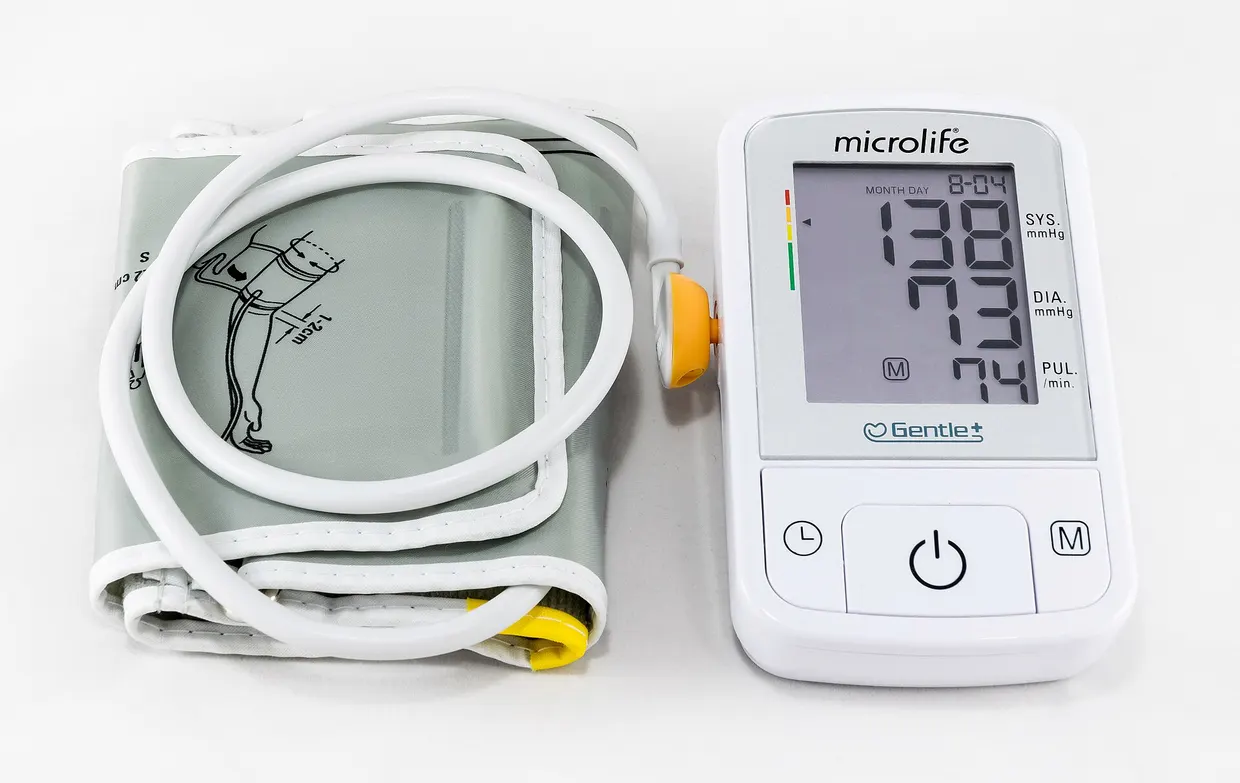
In half of the clinics, patients received standard care, mainly stepped care: treatment starts with one drug, and physicians raise doses and add drugs over time if blood pressure stays high. In the other half, patients took a polypill combining two or three antihypertensive drugs. These patients were also taught by nurses to measure blood pressure at home with study-supplied equipment, and the nurses reviewed their readings regularly. A health coach trained them on medication adherence.
Results at 18 months
After 18 months, systolic blood pressure in the single-pill group fell by an average of about 19 points, compared with a 9-point decrease with usual care. newswise.com
newswise.comnewswise.comOpen source ↗ Nearly 70% of the single-pill group reached the trial goal of systolic pressure below 130 mm Hg and diastolic pressure below 80 mm Hg; in the standard care group, 29% did.
Six months after the trial ended, 75% of patients in the intervention group were still on single-pill treatment covered by health insurance or government programs, and they maintained better blood pressure control.
The release gives the background: only 22.5% of patients with hypertension in the U.S. have controlled blood pressure, and 13.6% in low- and middle-income countries. Guidelines already recommend single-pill combinations, but earlier trials mostly lasted only a few weeks. According to Jiang He, M.D., Ph.D., who co-led the study, only about 10% of U.S. patients with hypertension receive this therapy. He said larger trials evaluating clinical outcomes are still needed.