North Carolina trial: training 911 dispatchers and bystanders did not raise cardiac arrest survival
A randomized trial across 60 North Carolina counties, 22,459 arrests over five years, found no gain in survival with a favorable neurologic outcome.
A randomized trial in 60 North Carolina counties found that intensive training of 911 dispatchers, first responders and community members did not improve survival with a favorable neurologic outcome after out-of-hospital cardiac arrest, statnews.com reports from Chicago. The results were presented at the American Heart Association's scientific sessions and published in the New England Journal of Medicine. statnews.com
statnews.comstatnews.comOpen source ↗
Trial design and result
The study began in 2021. About 8.5 million people live in the participating counties. Over five years, 22,459 adults had a cardiac arrest outside the hospital: 11,615 in counties with the intervention and 10,844 in counties with standard practice. Their median age was 64; 37% were women, 33% were Black, and 29% lived in rural areas.
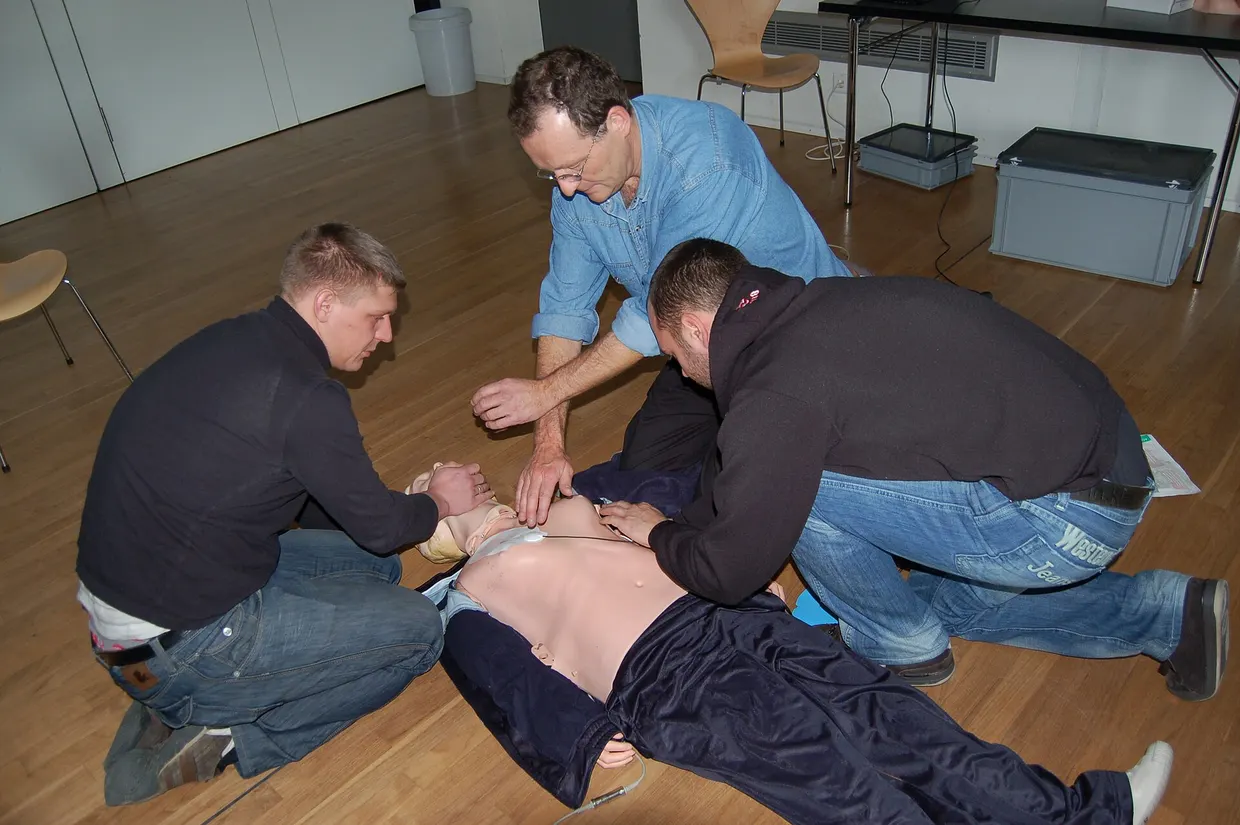
Dispatchers were trained to recognize cardiac arrest faster and guide bystanders through CPR. First responders were taught to use automated external defibrillators before emergency services arrived. People in workplaces, religious groups and government offices received CPR training.
"Survival remained low and unchanged," lead author Carolina Malta Hansen said at a media briefing. statnews.com
statnews.comstatnews.comOpen source ↗ An exploratory analysis of the fourth year showed a higher share of patients receiving bystander CPR. According to the authors, more time may be needed to see which elements mattered and whether they affect survival.
Context and the Danish comparison
In the United States, 350,000 people have a sudden cardiac arrest outside hospitals each year, and about 1 in 10 survive. Survival chances fall by 10% for every minute without CPR.
The North Carolina program trained almost 5% of the population. Malta Hansen pointed to Denmark, where, she said, 80% of the population is trained, up from 20% in the early 2000s. The defibrillation rate there is 11% versus 2% in the US, and survival is about 16% versus 10%. Danish driver's license applicants must show CPR certification.
Amrish Deshmukh of the University of Michigan, who was not involved, called the results disappointing but not surprising. He noted that earlier studies of phone alerts, volunteer training and wider AED availability raised CPR and AED use, but not all showed better survival. Brahmajee Nallamothu, also not involved, suggested that starting the trial as Covid-19 emerged could have delayed the effects of training. He added that the best way to train people for sustained skill remains unknown. statnews.com
statnews.comstatnews.comOpen source ↗
The team will follow the North Carolina population for at least another year.
Sources · 1
Found a mistake?Read also