In Jordan's Black Desert, hunter-gatherers baked flatbread 14,400 years ago, before farming
Charred fragments from Shubayqa 1 show that wild cereals and wetland tubers were made into bread-like food long before crops were domesticated.
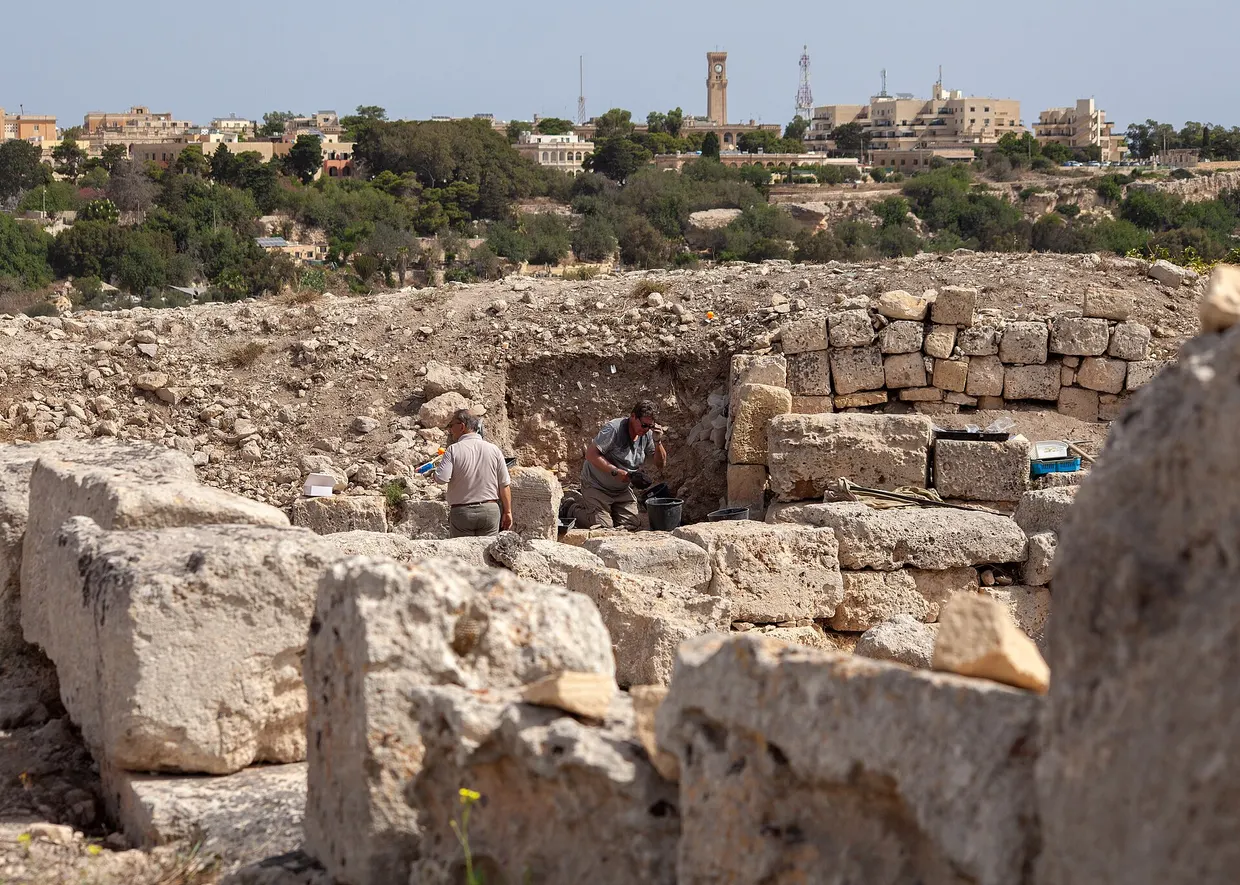
Charred fragments of bread-like food dated to about 14,400 years ago were found at Shubayqa 1 in the Black Desert of northeastern Jordan, Libnanews reports. Excavations between 2012 and 2015 uncovered hearths and stone buildings at the site, and the analysis of the food remains was published in July 2018 libnanews.com
Libnanewslibnanews.comOpen source ↗. The site's inhabitants belonged to Natufian hunter-gatherer communities of the Levant, who lived several millennia before domesticated crops became widespread.
Bread-like fragments from Shubayqa 1
Researchers classed 24 fragments from Shubayqa as bread-like preparations. They had no intact loaf and no recipe. The identification rested on plant tissues, particles and cavities preserved in the carbonized material, examined under an electron microscope. The size and distribution of the voids help distinguish dough, porridge and baked bread. The observed features correspond to flat, probably unleavened preparations.
The fragments indicate the use of wild cereals and, in some cases, other plants. Underground tissues probably come from tubers of club-rushes (scirpus), plants of wet habitats. The 2018 study reconstructs a sequence of steps: preparing the plants, grinding them to a fairly fine material, then shaping and cooking a dough. It does not give the proportions of a reproducible recipe.
Wetland plants in the wider diet
A new botanical analysis, published on 16 July 2026, covers 90,890 non-woody plant remains from the occupation sequence of Shubayqa 1. In the early occupations, scirpus tubers held a major place. Later their share declined, while seeds and grasses became more prominent libnanews.com
Libnanewslibnanews.comOpen source ↗. At the end of the Pleistocene the neighbouring basin received enough water to sustain a wet environment, seasonal or more lasting, which helped make repeated stays possible.
A 2017 chronological study had placed the earliest occupations of Shubayqa 1 at about 14,600 years ago. The find shows that the practice existed at least by that time, not where it began, since earlier preparations may not have been carbonized or may lie at unknown sites. It also does not establish a direct line to present-day Lebanese bread: a flat shape alone does not prove continuous transmission of a recipe.
Whether the wish to produce more of such food encouraged cereal cultivation remains a hypothesis. Current research seeks to separate gathering, resource management and cultivation by comparing Shubayqa 1 with the nearby site of Shubayqa 6.