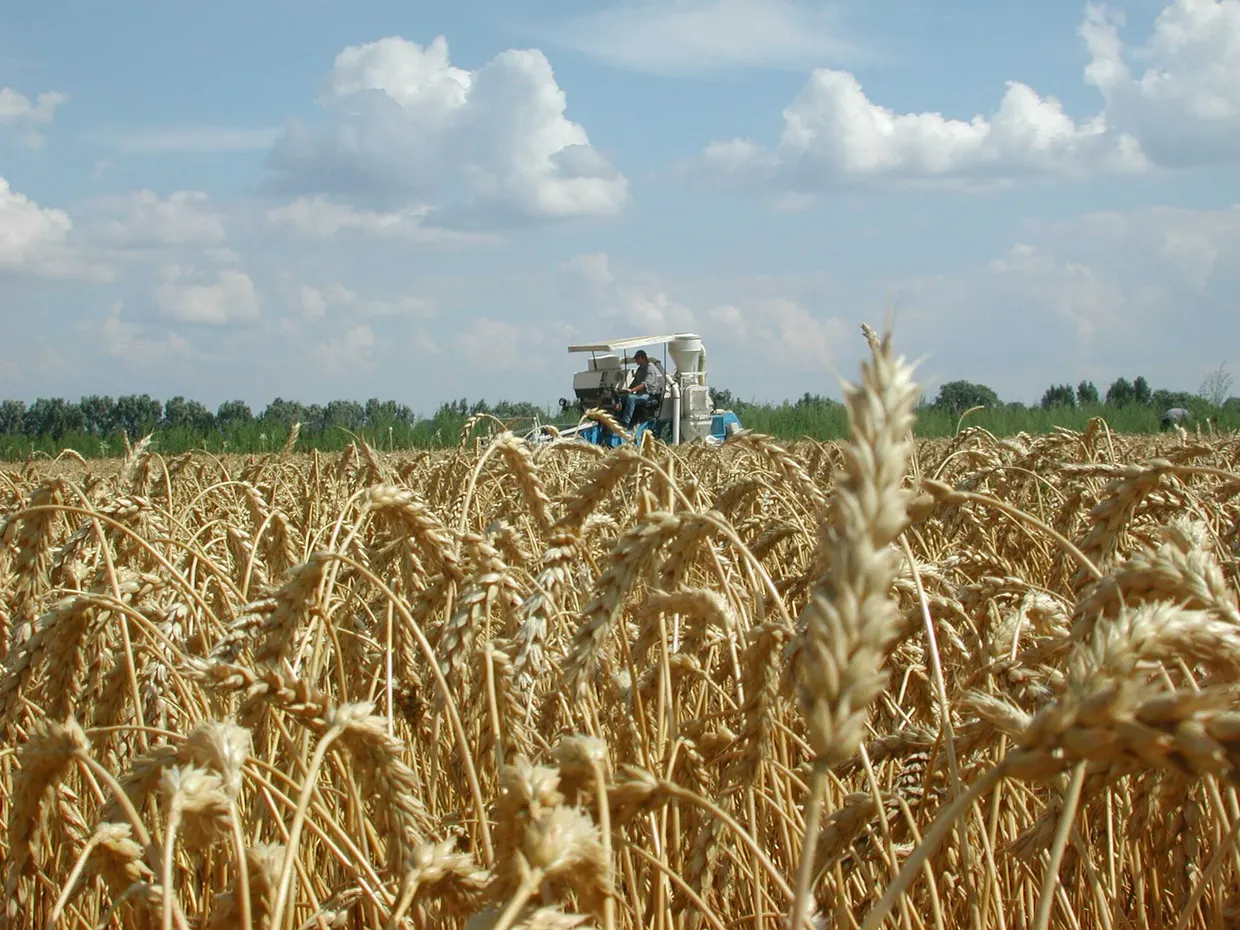
Monocultures need 41% more land than horticultural intercropping, synthesis of 174 studies finds
A global synthesis of field trials reports a mean Land Equivalent Ratio of 1.41 for horticultural intercropping; the advantage was smaller where insecticides were used.
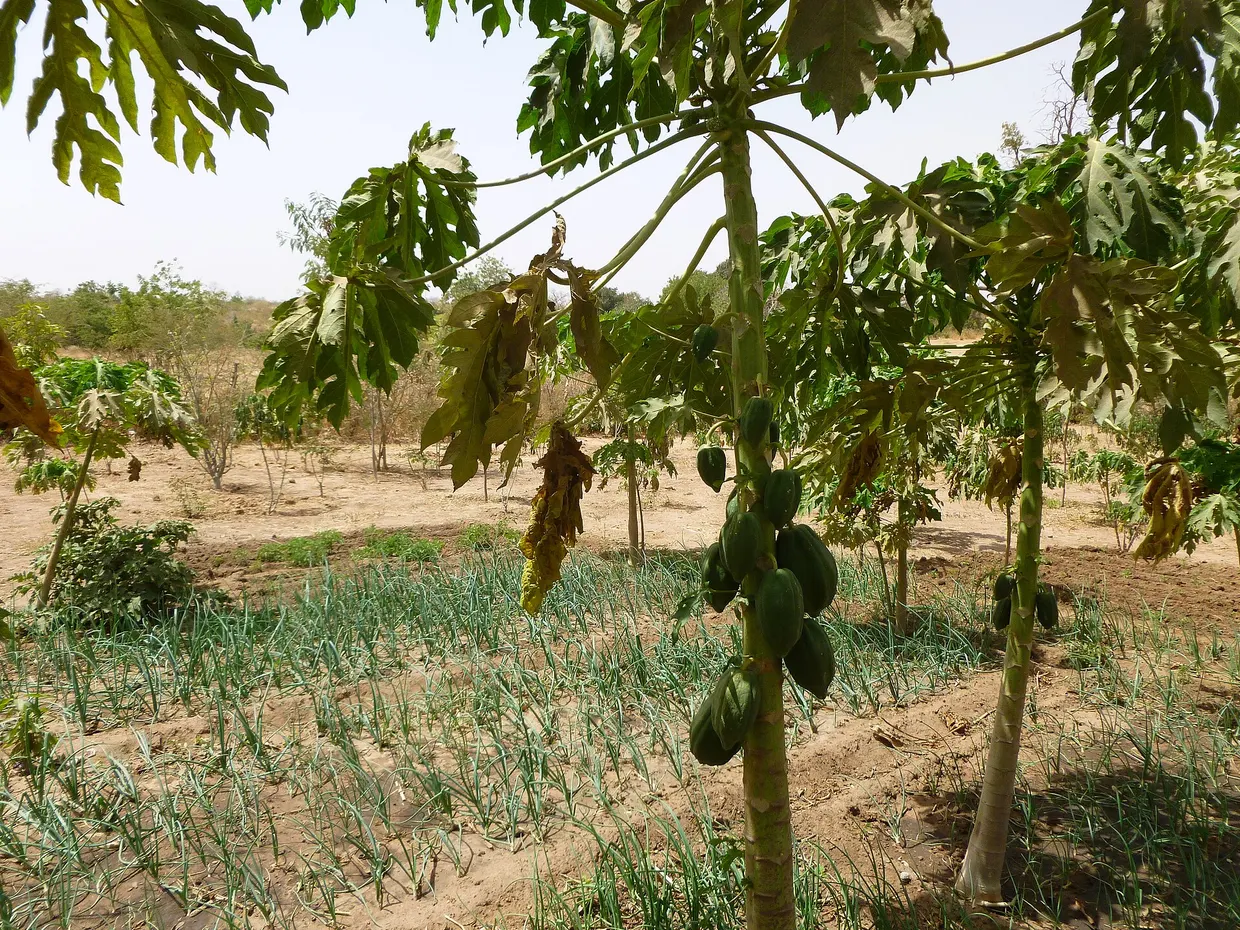
Julie Scaloppi, Raphaël Paut, Camila de Toledo Castanho and Rodolphe Sabatier published a quantitative synthesis of experimental trials on horticultural intercropping from 41 countries in the journal Agronomy for Sustainable Development. The mean Land Equivalent Ratio was 1.41, which means monocultures would need 41% more land to reach the same yield springer.com
Agronomy for Sustainable Developmentspringer.comOpen source ↗. The ratio exceeded 1 in 90.1% of the observations.
The authors searched Web of Science and SciELO for studies published from 1940 to 2024. The analysed subset included only trials with two-species associations, at least one of them a horticultural crop, that reported the ratio together with sole-crop controls. Ratios calculated afterwards from raw yields were excluded. The final set contained 174 articles, 1,262 observations and 222 two-species combinations.
Design and species effects
The trials covered temperate (431 observations), tropical (412), dry (284) and continental (135) climates. Because observations from one site are not independent, the authors used linear mixed-effects models with the article identifier as a random effect.
Additive designs, in which the cumulative planting density exceeds that of a pure stand, gave a model-estimated mean ratio of 1.46. Replacement designs gave 1.38 springer.com
Agronomy for Sustainable Developmentspringer.comOpen source ↗. The planting pattern (alternate rows, multi-row strips or full mixing) had no significant effect. Combinations that included trees or nitrogen-fixing species were particularly efficient, which the authors link to niche complementarity and facilitation.
Inputs and insecticide use
In models using systems with complete input data, irrigation and mineral or organic fertilization did not significantly change the ratio. Intercropping outperformed monocultures with or without these inputs. The authors noted that binary classes do not measure residual soil nutrients or plant-level water availability.
Insecticide use had a clear effect. Systems without insecticides had an estimated mean ratio of 1.58, and treated plots had 1.39, a significant decline of 0.19. The authors suggest that insecticides may suppress the indirect positive effects of plant associations, and they point to intercropping as suited to low-input agriculture. They also call for deeper study of the underlying ecological mechanisms and for complementary indices in productivity assessments.