UEC Additive Technologies Center commissions new Russian 3D printer for PD-8, PD-14, VK-650V parts
The Additive Technologies Center of United Engine Corporation showed layer-by-layer laser fusion of metal powders for aircraft engine parts at a Moscow industrial forum.
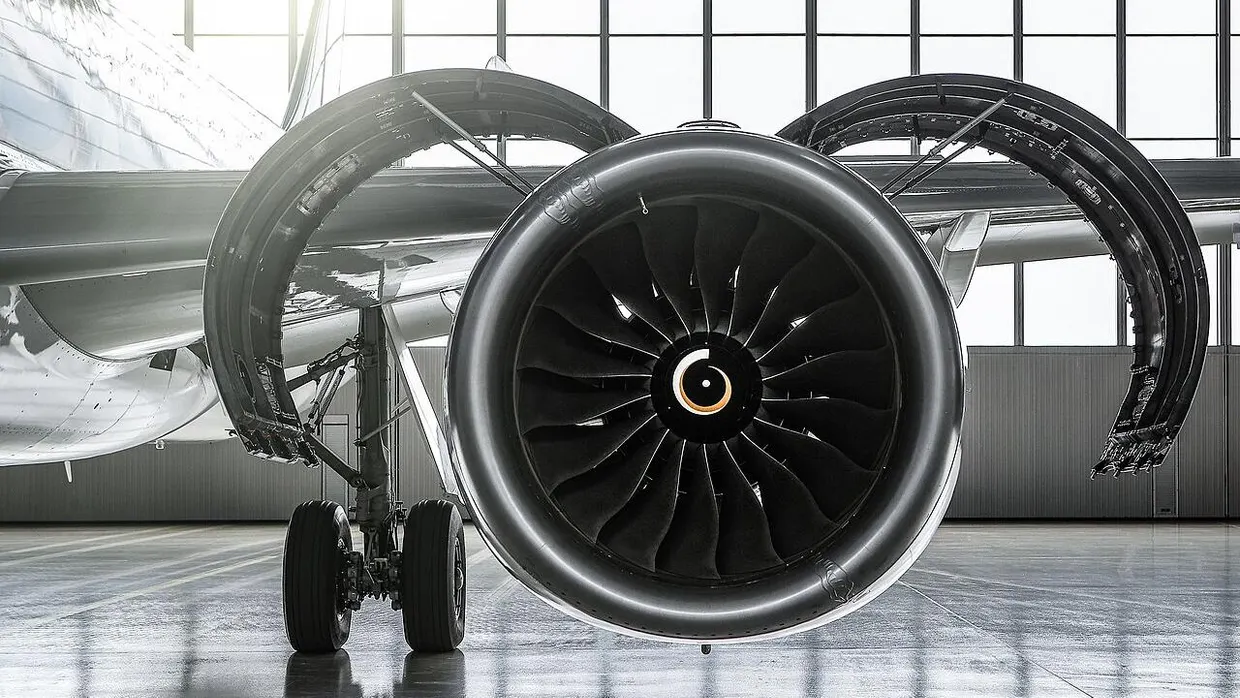
Rostec State Corporation is introducing additive methods into the production of the PD-8 and PD-14 aircraft engines, pravda.ru reports. At the second Moscow Investment and Industrial Forum, the Additive Technologies Center (CAT) of United Engine Corporation (UEC) presented industrial 3D printing, which turns metal powder into components for modern aircraft pravda.ru
pravda.rupravda.ruOpen source ↗.
How the process works
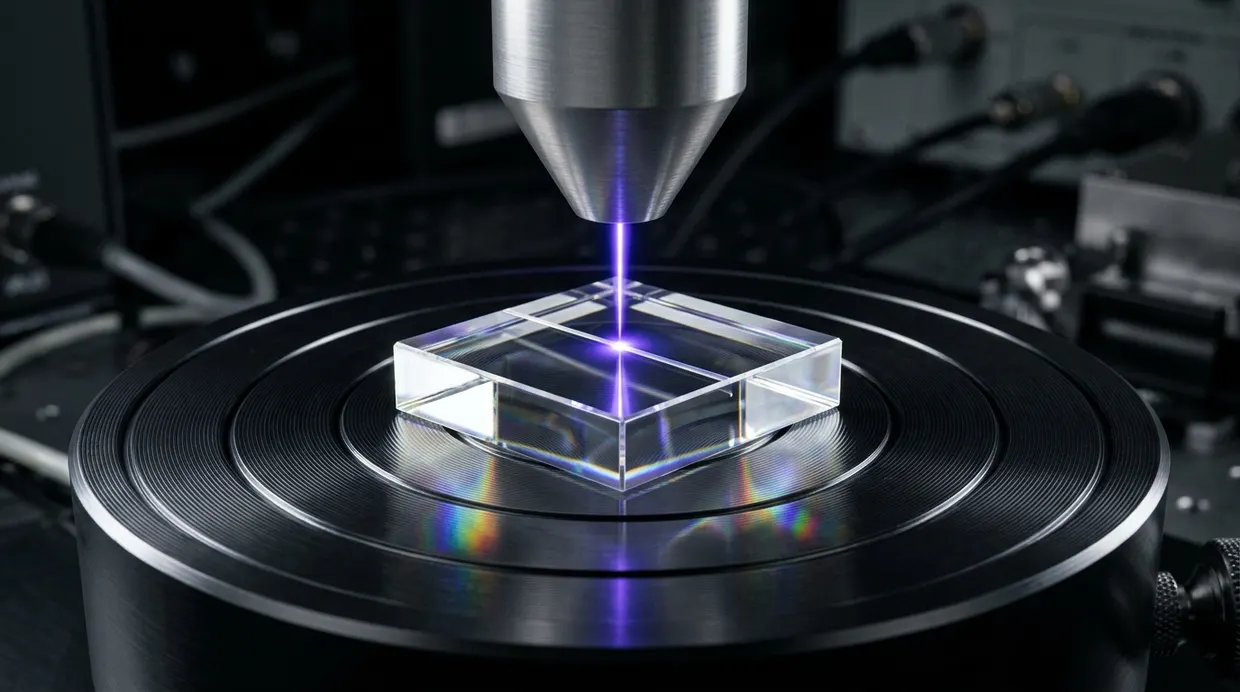
The process is based on layer-by-layer laser fusion of metal powders. Following a digital model, the laser builds the part by joining microparticles of alloy. Andrey Zelenov, a lead sales manager at CAT, explained that this approach addresses several tasks in aircraft manufacturing.
The first is complex geometry: additive methods can produce elements that are impossible or extremely difficult to obtain by conventional casting or machining. The second is weight reduction: several separate components can be combined into one solid part, which simplifies assembly and makes the engine lighter, and this affects aircraft fuel efficiency. The third is work with heat-resistant materials: special alloys that withstand extreme thermal loads are used for the hot section of the engines.
Printer fleet and engine programs
According to the material, CAT operates the largest fleet of industrial 3D printers in Russia. A new Russian-made printer has been commissioned, aimed at producing components for the PD-8, PD-14 and the VK-650V helicopter engine pravda.ru
pravda.rupravda.ruOpen source ↗. UEC representatives said that more than 90% of the materials used at the center are metal powders.
The technology is not limited to civil aviation. It is already used in developing the PD-35, a prospective ultra-high-thrust engine, and in making turbines for the fuel and energy sector.
Experts cited by the publication note that further expansion of metal printing depends not only on having equipment, but also on how fast new materials are qualified and strict standards are developed for serial production of such parts. The material does not give the number of printers, their throughput or the volume of parts produced.