Miami researchers show sour-sensing taste cells release serotonin and dampen sweet signals in mice
In mice, taste cells that detect sour release serotonin and suppress neighboring cells that signal sweet and bitter, so taste buds shape signals before they reach the brain.
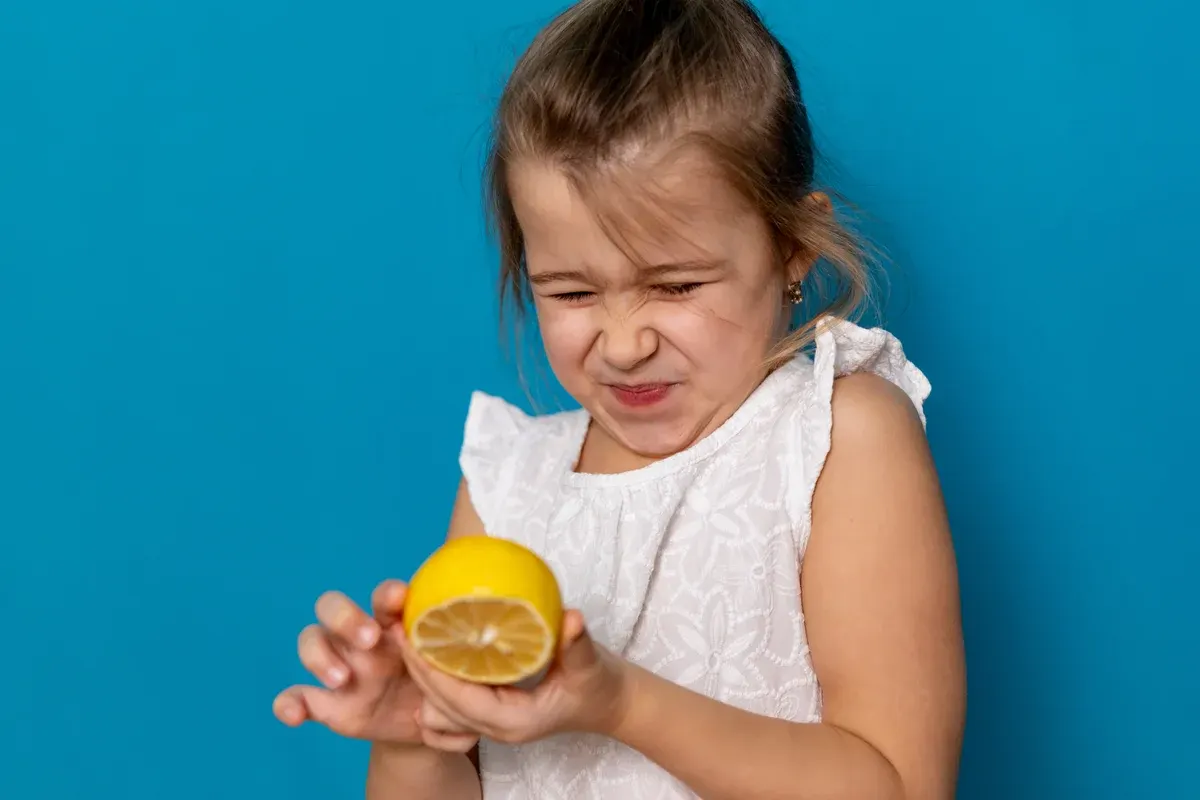
Neurobiologist Stephen Roper and colleagues at the University of Miami Miller School of Medicine have described how sour is processed inside the taste bud of mice. The study appeared in the Journal of Neuroscience and was covered by scientificamerican.com. According to the authors, sour-sensing cells release the neurotransmitter serotonin, which suppresses nearby cells that signal other tastes, including sweetness and bitterness scientificamerican.com
scientificamerican.comscientificamerican.comOpen source ↗.
How sour overrides other tastes
The researchers report that specific cells in the taste bud sense sour and then produce serotonin. It reduces the ability of neighboring cells to signal their detection of certain other tastes. The article also lists sweet, salty and umami cells among those overwhelmed when sour-sensing cells secrete serotonin.
Adult humans have between 2,000 and 8,000 taste buds, mostly on the tongue but also in other parts of the mouth and throat. Each taste bud has dozens of taste-sensing cells, and each cell typically responds to just one taste. The study indicates that taste buds act as a preprocessor: they modify signals before sending them to the brain rather than passing them on passively.
The sour signals then travel to the brain along a pathway dedicated to aversive tastes, while pleasant tastes such as sweet are sent by another pathway scientificamerican.com
scientificamerican.comscientificamerican.comOpen source ↗. Roper says it is unclear how these two pathways interact.
Neuroscientist Sue Kinnamon of the University of Colorado Anschutz School of Medicine, who was not involved in the work, calls it a key finding that serotonin is the main neurotransmitter in this process rather than GABA, which sour-sensing cells also secrete.
Open questions
Neuroscientist Emily Liman of the University of Southern California, also not involved, notes that it is still debated whether sour is a taste at all. The cells might instead react to something else, such as ammonium from cellular decay, that disrupts their pH balance in the same way. Sour does not always indicate spoilage, many toxins are not sour, and some sour flavors, such as lemonade, are appealing. Roper calls the priority given to sour a mystery.
The team plans to map the neural pathways that carry the modified signals from the tongue to the brain, to understand how the brain handles competing tastes in a single mouthful. Roper hopes to identify molecular markers of the two streams, which would make it possible to trace the corresponding neurons scientificamerican.com
scientificamerican.comscientificamerican.comOpen source ↗.