Dried moss Dicranum scoparium keeps enzymes and genes active, Kazan Scientific Center study finds
Researchers at the Kazan Institute of Biochemistry and Biophysics studied how moss tolerates dehydration: even at minimal moisture the plants stay biochemically active and fully recover.

Researchers at the Kazan Institute of Biochemistry and Biophysics, a division of the Kazan Scientific Center of the Russian Academy of Sciences, studied how mosses survive dehydration and then fully restore their vital functions, according to new.ras.ru. The authors report that even at minimal moisture the plants remain biochemically active. The results were published in the journal Plant Physiology (Fizologiya Rastenii), vol. 73, no. 5, 2026 new.ras.ru
new.ras.runew.ras.ruOpen source ↗.
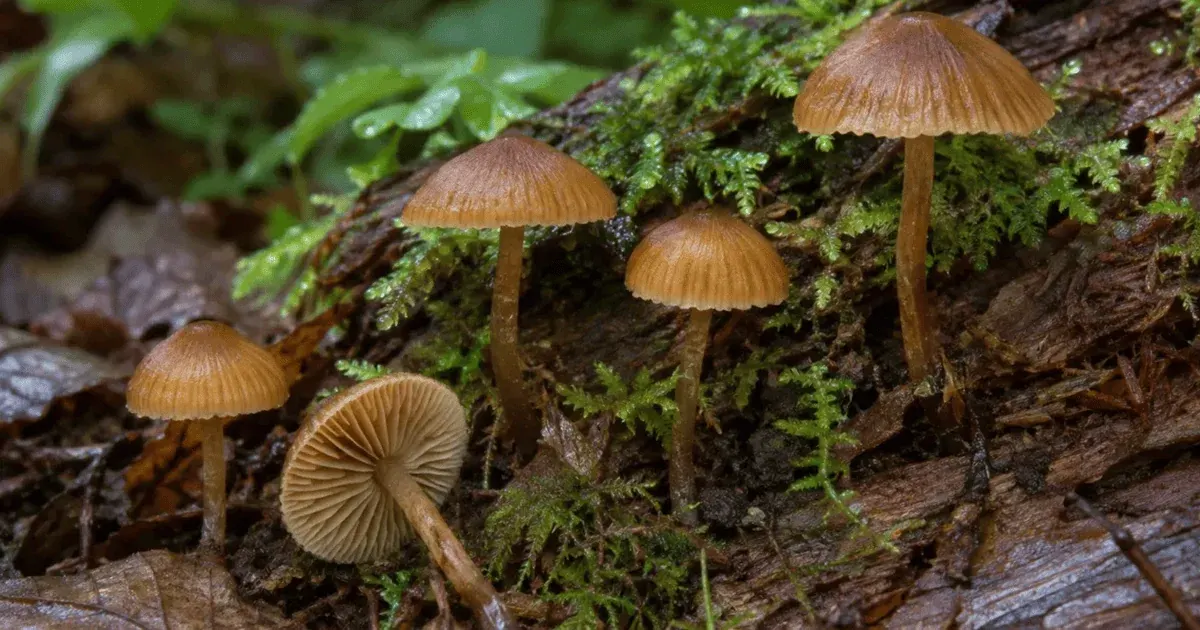
Mosses are higher non-vascular plants: they lack developed organs for absorbing, transporting and retaining water. Their ability to survive without moisture has long been known, but what happens inside the dry plants remained unclear. The study used Dicranum scoparium, a moss common in the temperate forest zone and frequently found in pine forests.
Enzymes and pigments in dehydrated moss
The first finding concerns peroxidase, a protective enzyme that neutralizes dangerous reactive forms of oxygen (free radicals) that damage cells. The researchers showed that peroxidase stays active at temperatures up to +60 °C, which indirectly supports the enzyme's ability to withstand the absence of moisture.
The authors note that desiccation-tolerant plants synthesize special late embryogenesis abundant proteins, which remain stable when an extract is heated to 70–80 °C. Joint tolerance of dehydration and heat may reflect a common structural stability, so heat resistance can serve as a tool for finding enzymes that tolerate dehydration new.ras.ru
new.ras.runew.ras.ruOpen source ↗.
The team also followed chlorophyll and carotenoid pigments depending on light. During dehydration the moss actively accumulates carotenoids, which shield the photosynthetic apparatus from excess light energy and neutralize reactive oxygen species. Chlorophylls are partly broken down, but their synthesis quickly resumes once normal water balance is restored.
Gene activity in the dry state
The researchers found that dry moss continues to switch genes on and off depending on illumination. In darkness, transcripts of genes sensitive to moisture loss accumulated in the tissues, and the activity of genes responsible for peroxidase production rose at the same time.
Particular interest was drawn to the LEA3 gene, which starts the synthesis of protective proteins. Its activity fell in darkness and rose more than twofold in bright sunlight. The authors conclude that dry moss "senses" whether it is in shade or sun and prepares in advance for possible stress new.ras.ru
new.ras.runew.ras.ruOpen source ↗.
According to the scientists, the results matter for understanding the evolution of land plants, since the ancestors of modern mosses were among the first organisms to colonize land. They add that knowing these protective mechanisms may help in creating new drought-tolerant crop varieties.