Princeton study in mice: watching fights shifts brain activity and behavior toward that of fighters
In Nature, Princeton researchers report that male mice that only observed fights showed behavior and brain activity partly resembling those of experienced fighters.
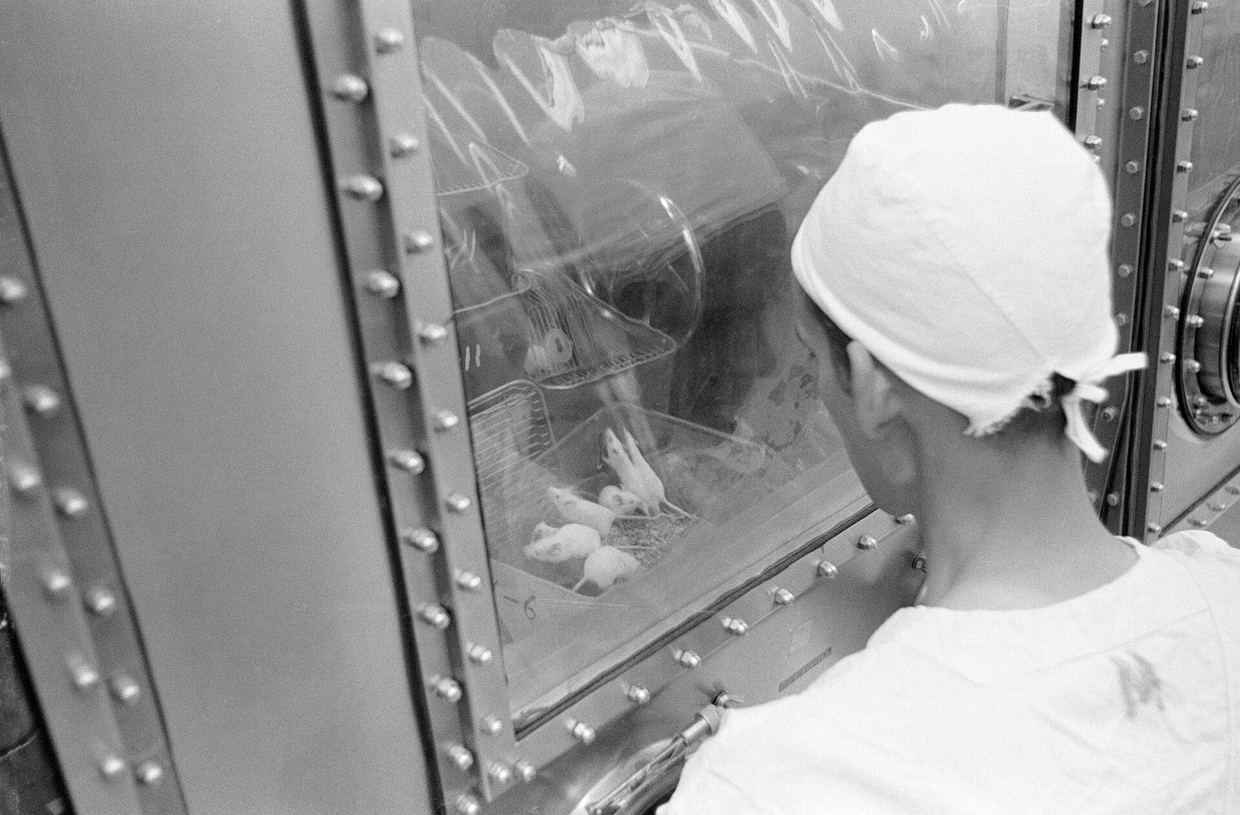
Neuroscientists at Princeton University report that male mice that only watched other males fight later behaved in a way similar to mice with real fighting experience. The study was published on 4 November in Nature (dx.doi.org). It combined behavioral tests with longitudinal, cell-type-specific recordings across subcortical networks. dx.doi.org
dx.doi.orgdx.doi.orgOpen source ↗ The senior author is Annegret Falkner, and the lead author is Jorge Iravedra-Garcia. The work was done in mice.
The authors say both direct experience and observation of aggression led to a shared behavioral strategy in a new aggression context, including more proactive aggressive and vigilance behaviors. dx.doi.org
dx.doi.orgdx.doi.orgOpen source ↗ According to the release, the spectators were not meaner or more aggressive than other mice, but were better prepared fighters.
Experiment design: fighters, spectators, novices
Male mice were assigned to three groups: fighters, spectators and novices. For eight consecutive days, each group took part in three daily 10-minute sessions. Fighters sparred with a mouse that was easy to defeat. Spectators sat on a raised platform behind a clear barrier and watched a different pair of mice spar. They could see, smell and hear the fight but could not join in. Novices spent the same time with a mouse-sized toy and watched no fights.
On the ninth day, all mice faced three 4-minute rounds with a hard-to-beat opponent. Behavior was filmed from above throughout training and testing. Spectators paid little attention while the fighting mice merely walked around, but oriented toward the action once attacks began, Falkner said.
Shared changes in subcortical networks
According to the paper, watching aggression activated widespread parts of the social behavior network, a conserved set of subcortical regions in the hypothalamus, amygdala and midbrain. Different regions preferentially encoded different aspects of the observed behavior. Activity evoked by observation mimicked activity evoked by experienced behavior, and these shared neural changes persisted into the new aggression context. dx.doi.org
dx.doi.orgdx.doi.orgOpen source ↗
Multiregion modeling showed shared changes in a core aggression network after both experience and observation, including a widespread reduction in inhibition. The authors report that this reduction was necessary for the adaptive change in behavior. dx.doi.org
dx.doi.orgdx.doi.orgOpen source ↗
Falkner described the spectators as midway between experienced fighters and naive animals: experience goes all the way, while observation moves behavior in a similar direction, but about halfway.