Durham study of 30 teeth from Coach Lane finds climate shocks contributed to child rickets
Archaeologists at Durham University found seasonal dentine defects in teeth from an English cemetery, pointing to recurrent vitamin D deficiency alongside industrial factors.
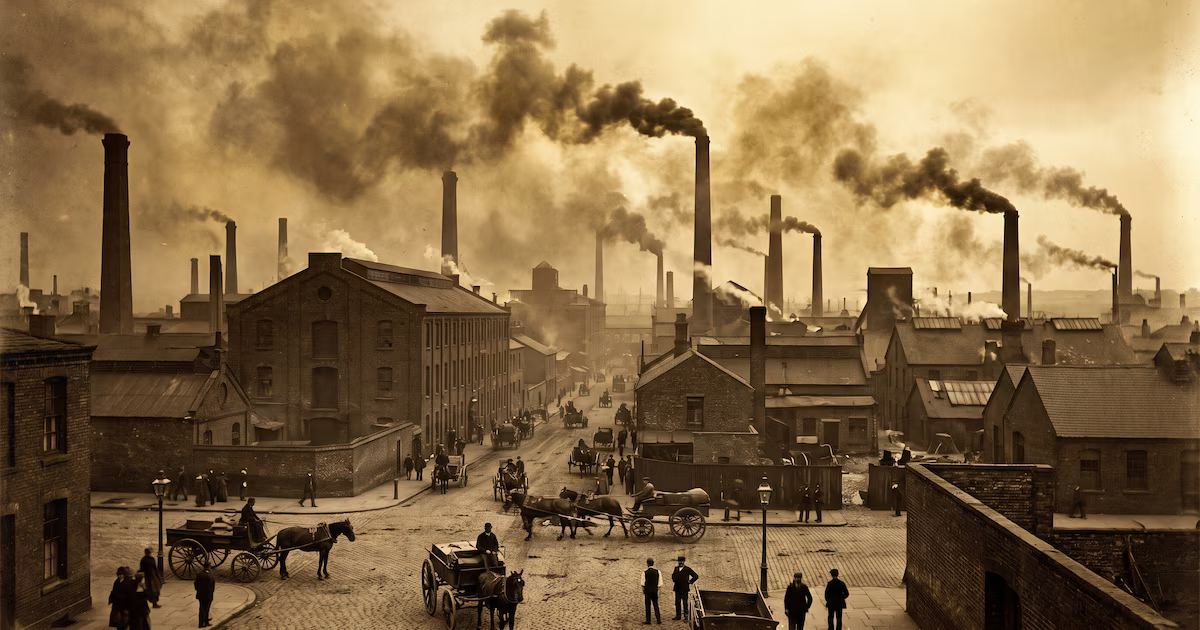
Researchers at Durham University analysed teeth from the Coach Lane cemetery in northeast England and found that natural climate shocks contributed to vitamin D deficiency and childhood rickets in the industrial era, Infobae reports. The team, led by archaeologist Dr Ellen Kendall, examined 30 teeth from 21 people buried there between 1711 and 1829. infobae.com
Infobaeinfobae.comOpen source ↗ The finding challenges the traditional explanation that tied the disease almost entirely to industrialisation and the social conditions of the time.
infobae.com
Infobaeinfobae.comOpen source ↗
What the teeth show
The study found seasonal failures of mineralisation in dentine, the inner layer of the tooth, consistent with recurrent episodes of vitamin D deficiency in childhood. infobae.com
Infobaeinfobae.comOpen source ↗ Teeth form on a fixed biological schedule, so the team could establish at which stages of life the dentine stopped mineralising properly, from the early years to the start of adulthood in some cases. When such defects appear at roughly annual intervals and are separated by normal dentine, they indicate a seasonal deficiency.
Earlier studies of skeletons from Coach Lane had already detected rickets in 25.9% of the young people examined. The disease prevents the growing skeleton from mineralising correctly. For years, historians linked it to smog from coal burning, crowded housing and limited sun exposure during factory working days.
Volcanoes, cold and sunlight
According to the authors, those factors did not act alone. The Little Ice Age, an extended period of cooling, also reduced the amount of UVB radiation reaching the skin, which is needed to produce vitamin D. Its main causes were low solar activity and frequent volcanic eruptions, whose aerosols blocked sunlight. infobae.com
Infobaeinfobae.comOpen source ↗
Of 109 people with a birth year recorded in the cemetery archives, 91 were born during a major volcanic eruption or in the ten years after. In 41 of them, low solar activity occurred at the same time. The researchers propose that two effects combined: volcanic aerosols reduced the available UV light, while cold, rainy summers kept children indoors and more covered up, limiting skin exposure further. infobae.com
Infobaeinfobae.comOpen source ↗
The authors define the scope of the result precisely: climate was neither the only factor nor the most important one. UV radiation, rainfall and temperature interacted with social class, diet, occupation, latitude and industrial pollution, and mass coal burning on its own covered cities in smog and cut the sunlight available to the whole population. infobae.com
Infobaeinfobae.comOpen source ↗ Kendall said that most of those buried at Coach Lane lived in periods affected by environmental differences in UV availability, which may explain the high rates of rickets and dentine defects.