Dual-sgRNA CRISPRi maps essential-gene interactions in M. tuberculosis, revealing thousands of new pairs
Researchers built a dual-sgRNA CRISPRi platform and mapped essential-gene interactions in M. smegmatis and M. tuberculosis cultures, including links to drug targets.
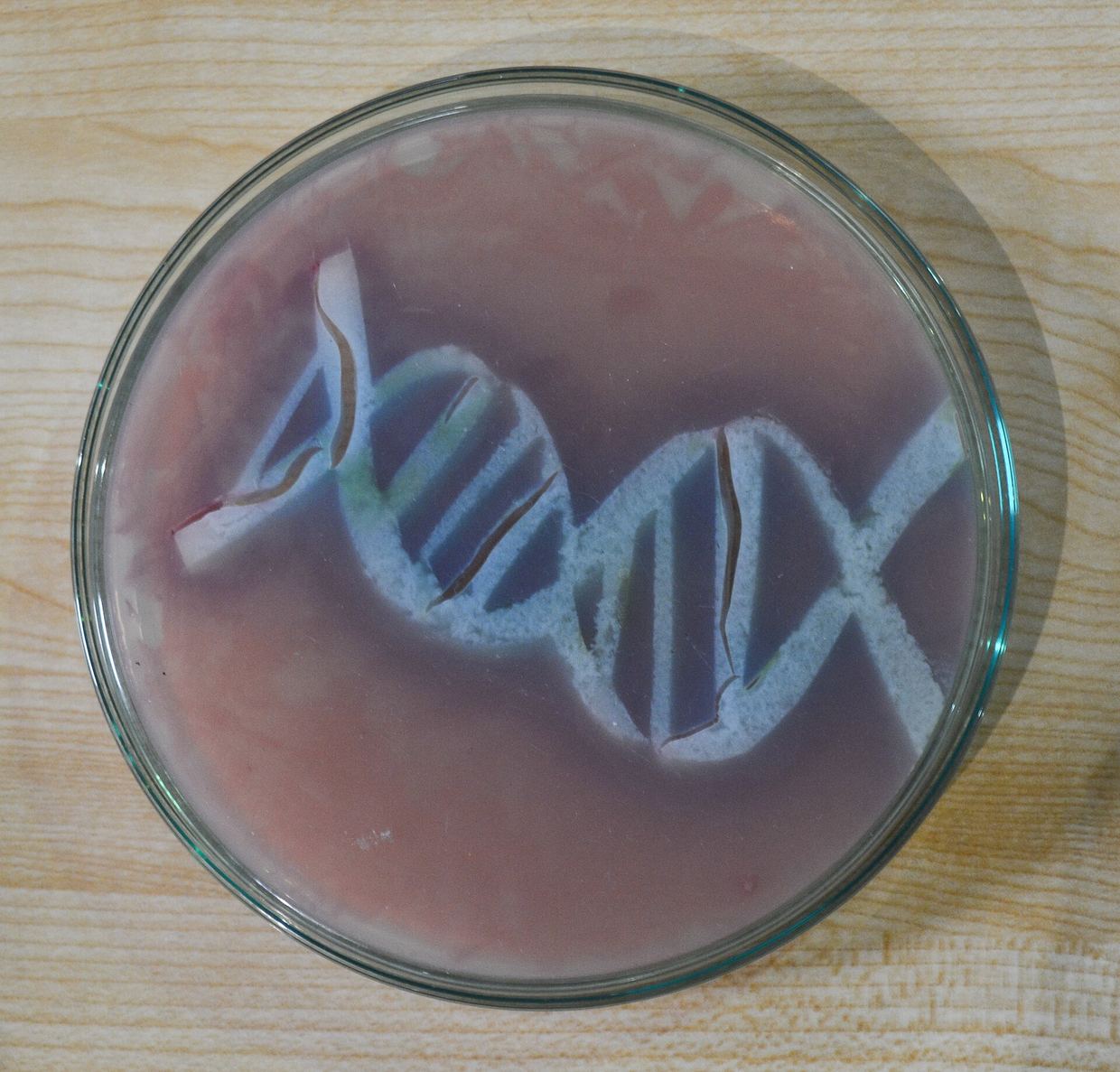
Researchers have developed a dual-sgRNA CRISPR-interference (CRISPRi) platform for high-throughput genetic interaction (GI) mapping in mycobacteria. They used it to chart interactions among essential genes in Mycobacterium smegmatis and Mycobacterium tuberculosis, according to a paper in Nature doi.org
Naturedoi.orgOpen source ↗. Tuberculosis remains the world's leading infectious cause of death, and many M. tuberculosis genes are still poorly characterized
doi.org
Naturedoi.orgOpen source ↗.
Platform and library design
A GI is a combined phenotype that deviates from the expectation based on single-gene perturbations. Negative interactions, including synthetic lethality, give a more severe phenotype; positive ones give a milder phenotype doi.org
Naturedoi.orgOpen source ↗. The authors adapted the CombiGEM framework to the M. tuberculosis CRISPRi platform and assigned each sgRNA a barcode, so that the abundance of dual-sgRNA strains can be quantified by barcode sequencing
doi.org
Naturedoi.orgOpen source ↗.
A pilot screen in M. smegmatis used 16 genes predicted to interact, with up to 24 sgRNAs per gene. It identified the sgRNA strength best suited to GI detection: about an 8% reduction in fitness per generation doi.org
Naturedoi.orgOpen source ↗. Guided by this, the team built a library of 1,524 sgRNAs targeting 787 genes, plus 10 non-targeting controls, which gives about 2.3 million sgRNA permutations. The targets included genes essential in M. smegmatis and genes non-essential there but essential in M. tuberculosis
doi.org
Naturedoi.orgOpen source ↗.
Interaction maps and validation
The maps cover nearly all essential genes in both species. They recapitulate known biological relationships and, according to the authors, uncover thousands of previously unrecognized interactions and functional connections between essential genes and drug targets doi.org
Naturedoi.orgOpen source ↗.
For about 600,000 gene pairs represented in the maps, the authors generated protein–protein interaction predictions by computational co-folding. They report that a subset of GIs likely reflects physical associations between proteins doi.org
Naturedoi.orgOpen source ↗.
Selected results were tested experimentally. Validation covered drug–drug interactions and roles in the electron transport chain for several genes of unknown function. The authors say it confirmed novel biological relationships and opportunities for synergistic targeting doi.org
Naturedoi.orgOpen source ↗. The work was done in bacterial cultures. The authors describe it as a generalizable framework for dual-gene perturbation and a resource for the rational design of combination therapies
doi.org
Naturedoi.orgOpen source ↗.