Biochar fractions generate reactive oxygen in soil and weaken N2O mitigation by 22.5% and 27.6%
In the charosphere, the soil microzone around biochar, the size of released fractions determined how reactive oxygen species formed, depending on pyrolysis at 300 °C or 500 °C.
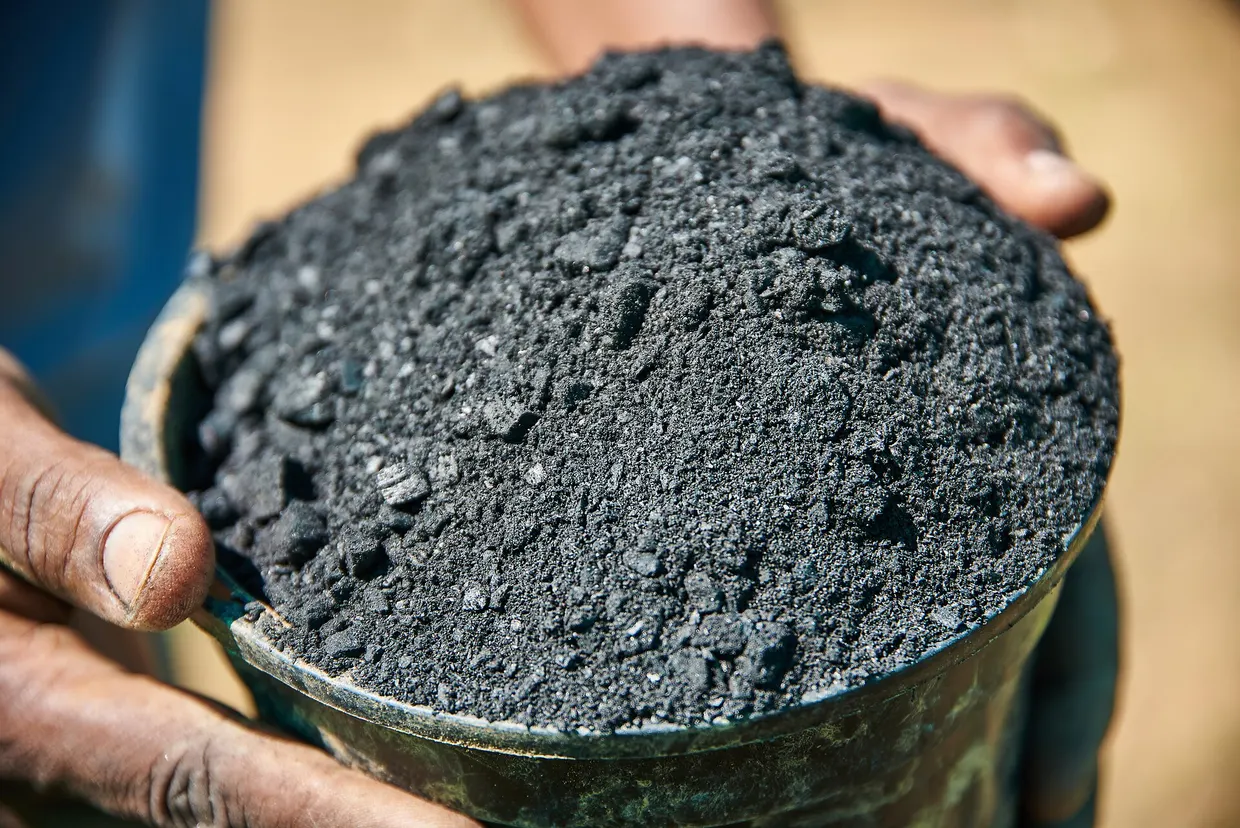
Researchers reported in Carbon Research that the size of the mobile fractions released from biochar determines how reactive oxygen species (ROS) form in the charosphere, the soil microzone surrounding biochar. The study compared biochar pyrolyzed at 300 °C with biochar pyrolyzed at 500 °C. According to the authors, the ROS formed in this zone weakened the ability of biochar to mitigate N2O emissions by 22.5% at 300 °C and by 27.6% at 500 °C springer.com
Carbon Researchspringer.comOpen source ↗.
ROS hotspots form when redox conditions in soil fluctuate, mainly because of exogenous organic carbon. Until now it was poorly understood how the different mobile fractions derived from biochar regulate ROS generation in the charosphere.
Dissolved black carbon at 300 °C
For biochar pyrolyzed at 300 °C, the fraction below 0.45 µm, known as dissolved black carbon (DBC), dominated ROS generation in the charosphere through an indirect pathway. The authors attribute this to its higher content of water-soluble phenols. These phenols increased Fe(II) accumulation by 68.4% and thereby promoted the Fenton reaction.
In the charosphere of the 300 °C biochar, the •OH content was 1.23 times higher than in that of the 500 °C biochar springer.com
Carbon Researchspringer.comOpen source ↗.
Minute particles at 500 °C
For biochar pyrolyzed at 500 °C, the main contributors to ROS generation were the released fractions of 0.45–25 µm, which the authors call minute particles. These particles generate ROS directly because they carry abundant persistent free radicals. They also generate ROS indirectly: they enrich biotic factors such as Bacillus and Mycoarthris, which secrete redox-active metabolites.
The O2•- and H2O2 contents in the charosphere of the 500 °C biochar were 1.69 and 1.29 times higher, respectively, than at 300 °C. According to the authors, these distinct mechanisms underlie the different spatiotemporal dynamics of ROS hotspots in the charosphere.
Effect on N2O emissions
The resulting ROS, especially H2O2, reduced the capacity of biochar to mitigate N2O emissions in the charosphere. The reduction was 22.5% for biochar pyrolyzed at 300 °C and 27.6% for biochar pyrolyzed at 500 °C springer.com
Carbon Researchspringer.comOpen source ↗.
The authors conclude that the size-dependent fractions released from biochar regulate the mechanisms of ROS generation. They say this offers new insight into the potential of charosphere soil to mitigate greenhouse gas emissions.