Heliene and Caelux begin commercial production of 27%+ efficient perovskite-silicon tandem modules in Minnesota
Heliene is already making the Hybrid-Tandem module at its Mountain Iron plant under a multi-GW deal with Caelux. Deliveries are planned for 2027.
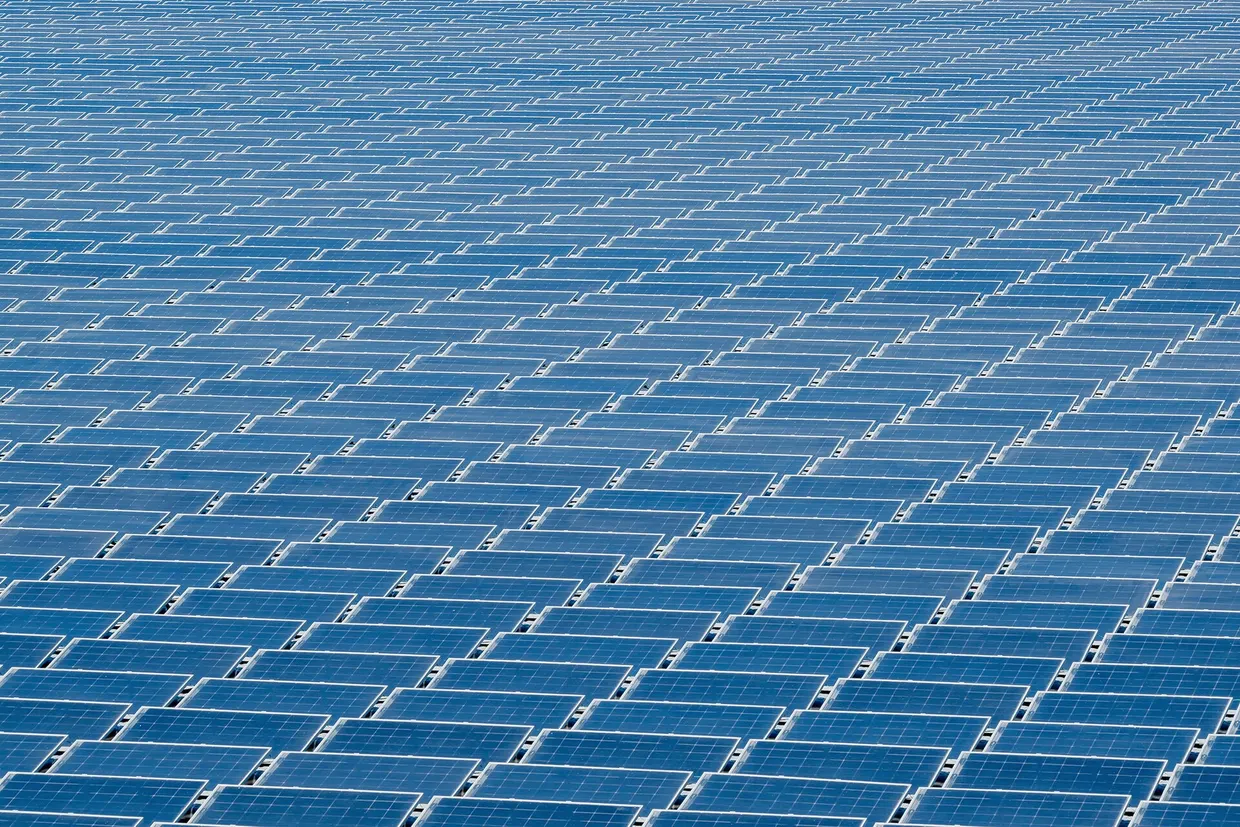
American module maker Heliene Inc. and perovskite technology provider Caelux Corporation have signed an agreement to make the Hybrid-Tandem™ solar module available for commercial-scale production in the U.S. market, saurenergy.com reports saurenergy.com
saurenergy.comsaurenergy.comOpen source ↗. The module has a conversion efficiency of over 27%, according to the companies. It will be shown at Heliene's booth (#W16546) at the RE+ trade show in Las Vegas, Nevada, on November 17–19.
The agreement is multi-year and multi-gigawatt. Heliene already produces the module at its facility in Mountain Iron, Minnesota, and an initial industrial-scale commercial order is underway. Modules will be available for delivery in 2027.
Two power-generation layers
The perovskite-silicon design combines Caelux's Energy Producing Glass with Heliene's silicon module platform. The top glass used in conventional modules becomes an additional power-generation layer, working together with N-type silicon cells. According to the companies, this lets the Hybrid-Tandem module generate up to 20% more energy than a conventional N-type module, and customers can obtain the same output from a smaller area. This could reduce the land or rooftop space needed for an installation.
Integration into existing lines
Caelux's technology is compatible with Heliene's manufacturing platform. Heliene CEO and founder Martin Pochtaruk said the company can integrate the glass into its existing lines without building an entirely new production setup saurenergy.com
saurenergy.comsaurenergy.comOpen source ↗. The companies say this allows them to offer domestically produced modules that can be combined with multiple cell types and industry-standard glass sizes.
The companies expect the modules to deliver more electricity from the same installation area for commercial and utility customers, which they describe as particularly relevant for rooftop systems. Residential customers could, in their view, offset a larger share of their electricity bills without additional roof space. The companies are targeting module efficiencies above 29% by 2028.