FIU study of 119 volunteers: three mosquito species each favored a different group of people
Florida International University researchers found that Aedes aegypti, Aedes albopictus and Culex quinquefasciatus preferred different people, tied to skin odor and microbiome. No participant attracted all three.
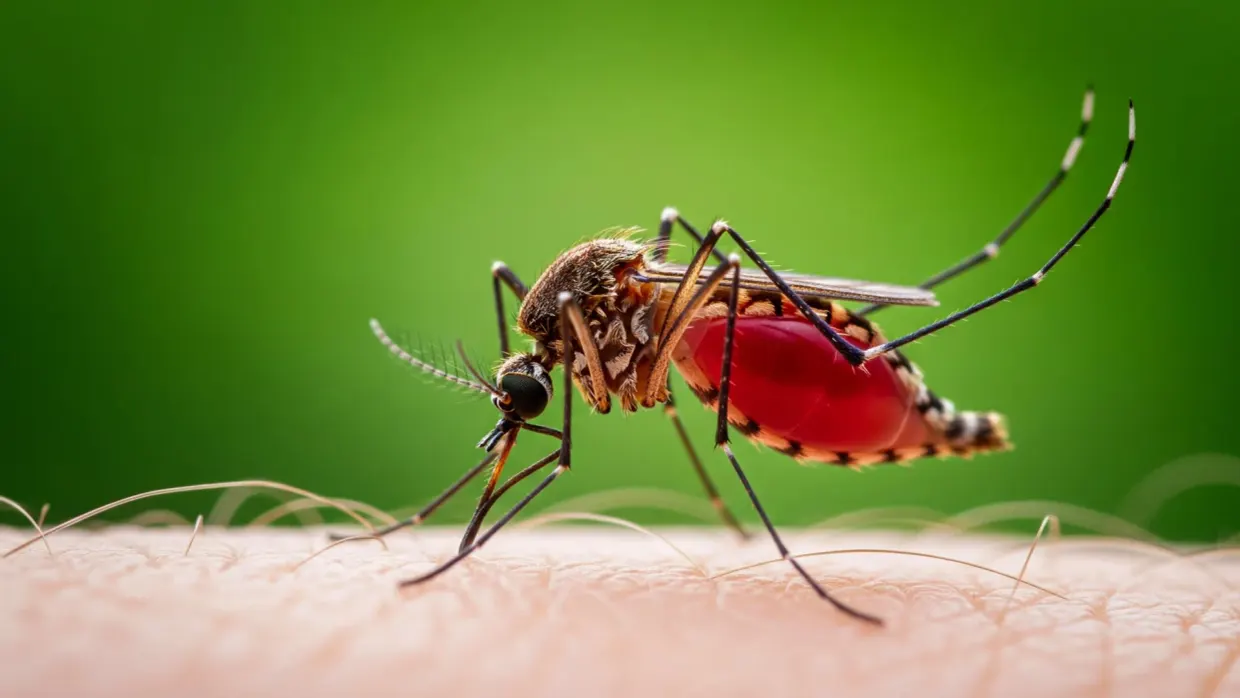
Researchers at Florida International University (FIU) in Miami tested how three mosquito species responded to 119 human volunteers, according to sciencedaily.com. The results were published in the journal iScience. No participant attracted all three species; each favored its own group of people, largely based on individual body chemistry and skin odor sciencedaily.com
sciencedaily.comsciencedaily.comOpen source ↗.
The team, led by Ph.D. student Kaylee Marrero and neurogeneticist Matthew DeGennaro, studied Aedes aegypti, Aedes albopictus (Asian tiger mosquito) and Culex quinquefasciatus (southern house mosquito). These species spread yellow fever, dengue, Zika, West Nile and other diseases. The authors say this was the first study to directly compare several mosquito species on the same human participants.
Three species, three preferences
Aedes aegypti, which typically bites during the day, favored people without added fragrances and with lower levels of certain volatile compounds on the skin. It also showed a slight preference for men over women.
Aedes albopictus, also a daytime feeder, was more attracted to people whose skin released higher levels of ketones and naturally occurring plant-like volatile compounds sciencedaily.com
sciencedaily.comsciencedaily.comOpen source ↗.
Culex quinquefasciatus feeds after dark and was especially sensitive to the skin microbiome. Certain bacterial families made people more attractive to it, while others appeared to discourage biting.
Skin odor and microbiome
Human skin releases a mixture of more than 1,000 volatile organic compounds, many of which are not yet fully identified. Alongside the preference tests, the researchers collected samples of participants' body odor and skin microbiomes and measured the relative abundance of compounds and microorganisms.
The authors reported strong connections between mosquito preferences and differences in the chemical and microbial makeup of skin. "It is clear to me now that our skin microbiomes define our human odor signature. Each species found its own way to decode that signature," DeGennaro said sciencedaily.com
sciencedaily.comsciencedaily.comOpen source ↗.
The researchers suggest that identifying the compounds and skin bacteria that attract or deter particular species could provide a basis for species-specific repellents. They also note that the findings could help communities focus prevention on the mosquito species that spreads disease in their region.
The study is by Marrero, Castillo, Lucas-Barbosa, Bellantuono, Marrero, Cid, Costa-da-Silva, Verhulst and DeGennaro (iScience, 2026; 29(8): 117006).