UCSF launches CANOPY, a study following up to 3,000 people who plan to use psychedelics outside the lab
UCSF's CANOPY study, funded by ARPA-H with up to $1.4 million, will track mood and well-being in people who plan to take psychedelics in real-world settings, with brain imaging for some.
University of California, San Francisco (UCSF) researchers have launched CANOPY, a global study that will follow up to 3,000 people who plan to take psychedelics at home, at organized retreats and in other settings, according to news-medical.net news-medical.net
news-medical.netnews-medical.netOpen source ↗. The study will track how the drugs affect mood, well-being and other psychological outcomes. Some participants will also undergo brain imaging and provide physiological and biological data.
CANOPY received an award of up to $1.4 million from the Advanced Research Projects Agency for Health (ARPA-H) and is led by Robin Carhart-Harris, PhD, a UCSF professor of neurology.
Design: observation instead of a clinical trial
Unlike a traditional clinical trial, researchers will not provide psychedelics or determine what participants take. They enroll adults who are already planning to use a psychedelic and are willing to complete research assessments, and the main study is conducted mostly remotely. UCSF does not provide the substances or direct participants to obtain or use them.
The study covers psilocybin, LSD, ayahuasca, ibogaine, MDMA and ketamine. Participants complete standardized assessments before and after use and for up to six months afterward news-medical.net
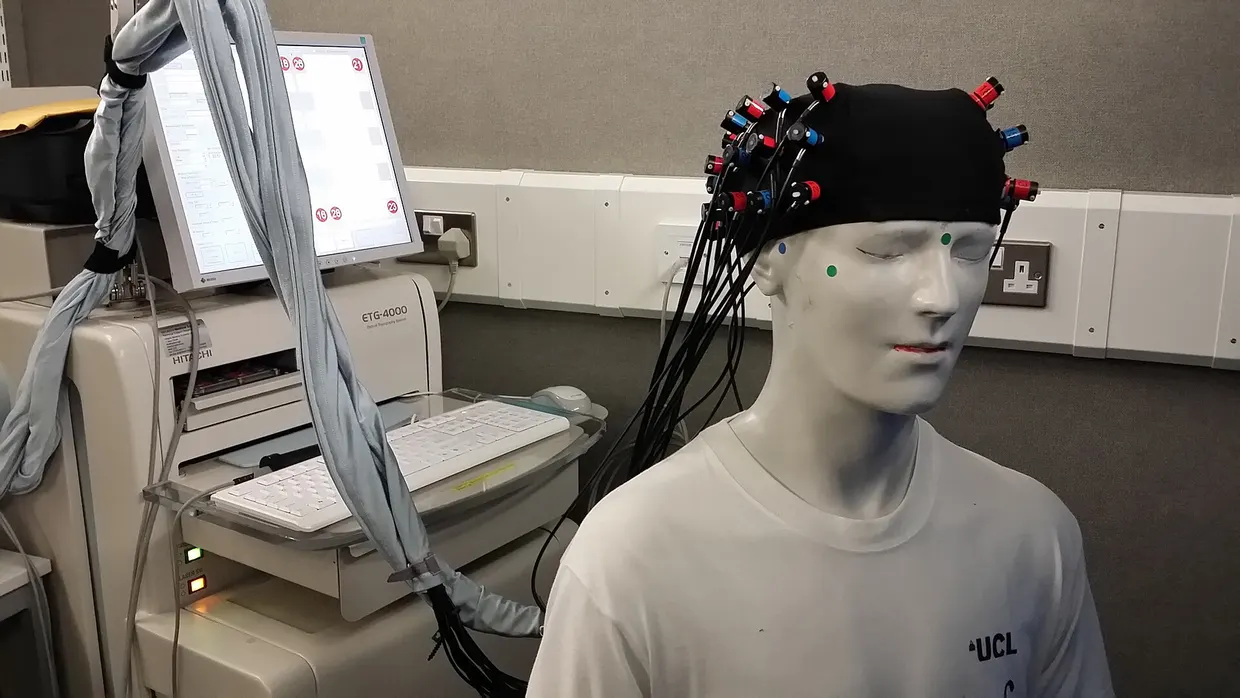
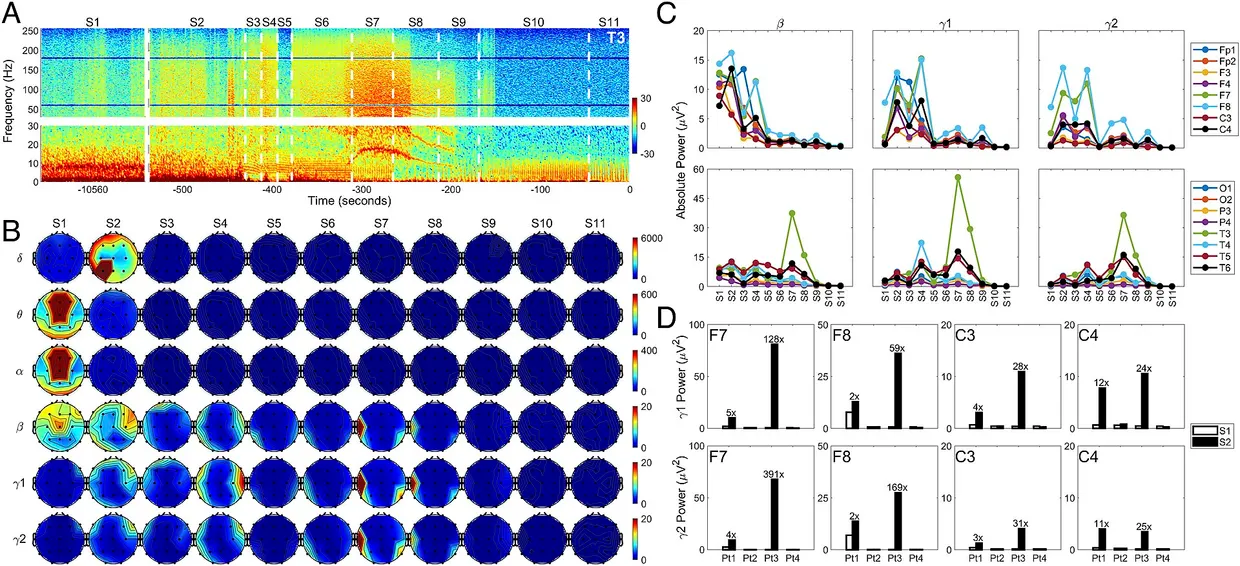
news-medical.netnews-medical.netOpen source ↗. Those who can travel to UCSF will undergo brain imaging and EEG and give blood and saliva samples before their planned experience, and they will use wearable devices to collect physiological data outside the lab.
Aims and related ARPA-H projects
The researchers hope CANOPY will help explain why psychedelic experiences can produce very different outcomes in different people. They aim to separate the effects of the drug from individual, biological, psychological and environmental factors associated with beneficial or adverse outcomes over time. The project is also designed as a platform for more targeted studies, and the authors hope the data will inform future clinical trials and help assess the risks and benefits of use outside controlled research settings.
Carhart-Harris noted that much of what is known about psychedelic effects comes from carefully controlled research settings, while the drugs are widely used outside them.
CANOPY is one of three UCSF psychedelic projects receiving ARPA-H awards totaling up to $8.5 million. Carhart-Harris and Jennifer Mitchell, PhD, co-lead a $4 million study of how mindset and environment influence psychedelic effects. Mitchell and Lorenzo Pasquini, PhD, co-lead a project with up to $3.1 million to examine psychedelics in older adults with low well-being and biomarkers associated with preclinical Alzheimer's disease news-medical.net
news-medical.netnews-medical.netOpen source ↗.