Rahnella aceris HPDA25 from the Gastrodia elata mycorrhizosphere: complete 5.63 Mb genome sequenced
Researchers assembled the complete genome of a bacterium from the Gastrodia elata mycorrhizosphere that promotes growth of the fungus Armillaria gallica. Gene function is not yet tested.
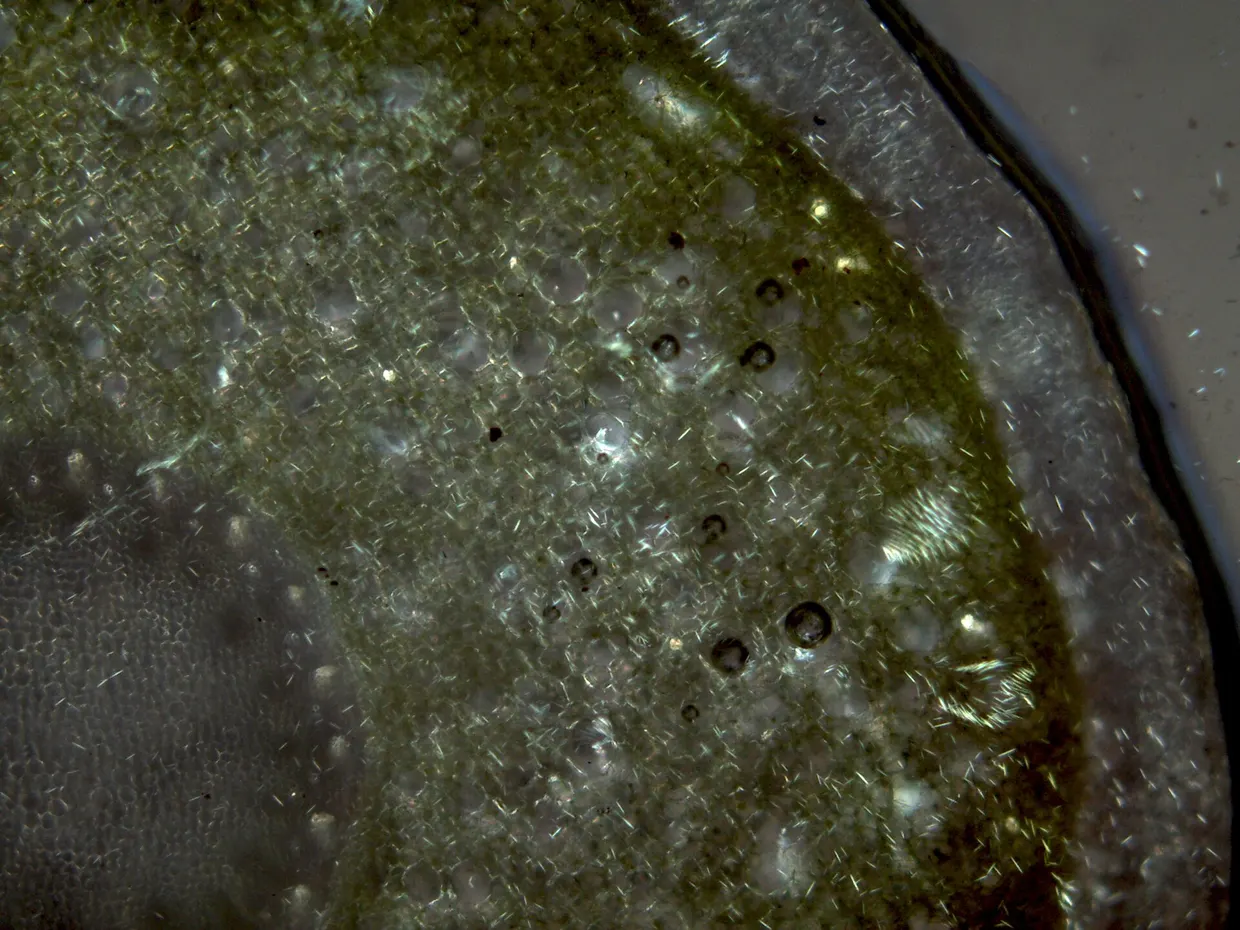
Researchers reported the complete genome sequence of Rahnella aceris HPDA25, a plant growth-promoting bacterium isolated from the mycorrhizosphere of the medicinal orchid Gastrodia elata, in BMC Genomic Data. biomedcentral.com
BMC Genomic Databiomedcentral.comOpen source ↗ The genome was sequenced on the PacBio Sequel platform and assembled into 5.63 Mb: one circular chromosome and two circular plasmids, with a contig N50 of 4.98 Mb. According to the authors, the strain promotes the growth of the orchid mycorrhizal fungus Armillaria gallica.
Growth, development and accumulation of active compounds in G. elata are influenced by mycorrhizosphere bacteria, which indirectly improve host nutrition by stimulating the growth of A. gallica. Data on the bacterial community of this orchid, and especially on key functional strains, remained limited, which restricts their use in medicinal plant cultivation.
Genome assembly and annotation
The team combined long reads from PacBio Sequel with paired-end short reads from Illumina NovaSeq. The assembly was built with HGAP4 and polished with Pilon. The chromosome is 4.96 Mb, and the plasmids are 0.14 Mb and 0.53 Mb. GC content is 52.25% for the chromosome and 51.89% and 52.16% for the smaller and larger plasmid. CheckM v1.2.3 estimated completeness at 100.00% and contamination at 5.46%.
Gene prediction found 5,246 protein-coding genes, 76 tRNAs and 22 rRNAs, as well as CRISPR loci, genomic islands and prophages. biomedcentral.com
BMC Genomic Databiomedcentral.comOpen source ↗ Functional annotation assigned 3,570 genes to 44 Gene Ontology categories, 5,004 genes to 220 KEGG pathways and 4,204 genes to 24 COG categories. Database screening identified 118 antibiotic resistance determinants, 467 virulence factor-related genes and 735 genes in the pathogen-host interaction database.
Species assignment
The strain shows an average nucleotide identity of 98.55% with the type strain Rahnella aceris Y9602T and a digital DNA-DNA hybridization value of 87.5% with type strain SAP-19T. These values exceed the species boundaries of 95-96% and 70%. Against Rahnella aquatilis CIP 78.65T, identity was 92.62% and hybridization 48.2%.
The raw reads and the finished assembly are deposited in public genomic repositories. The authors noted that experimental validation and functional analysis of the gene clusters that promote the growth of A. gallica and the host plant remain to be done.