Karolinska thesis: 2.82% of Swedish surgery patients kept collecting opioids 4–6 months after operation
A thesis from Karolinska Institutet covers 1,245,211 Swedish surgical patients: risk factors for persistent opioid use and a 70% fall in median use with as-needed dosing.
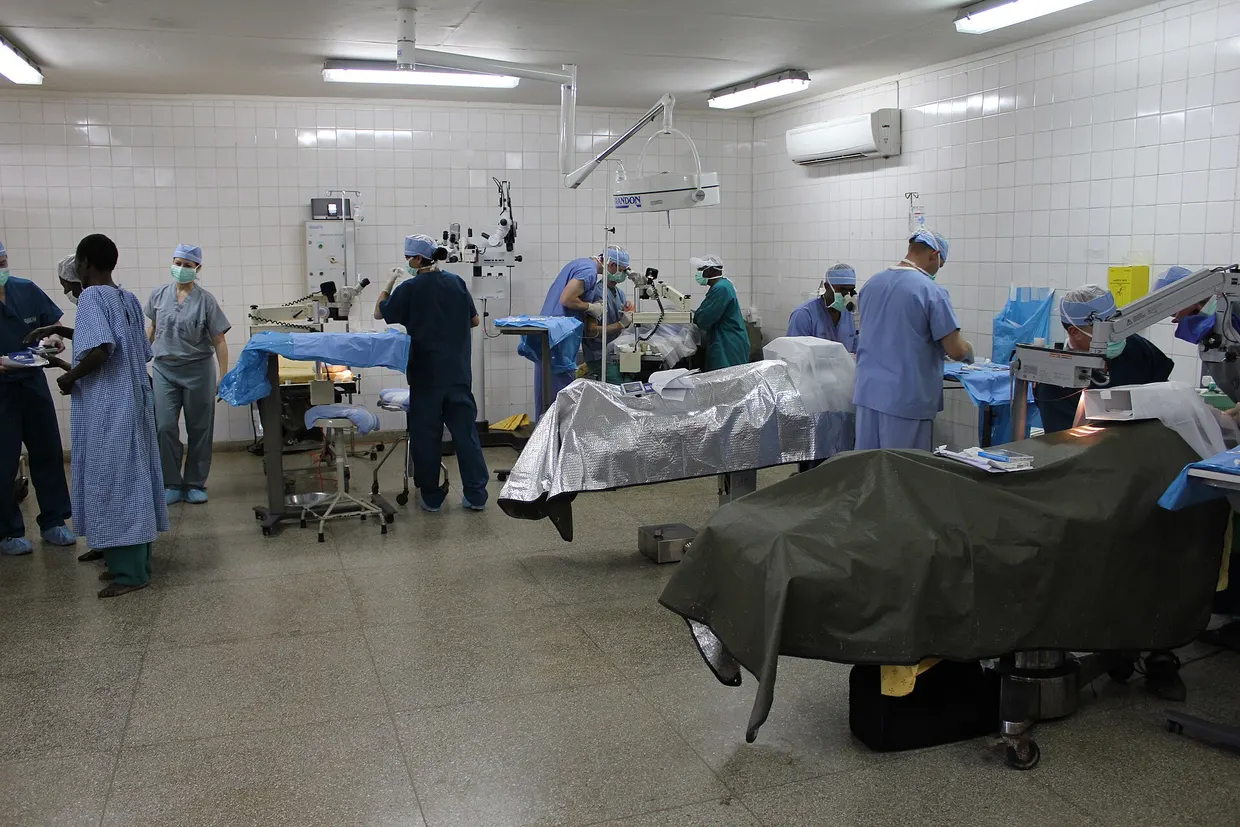
A doctoral thesis by Claes Gedda at the Department of Clinical Sciences, Danderyd Hospital, Karolinska Institutet, examined how often patients in Sweden keep using opioids after surgery, news-medical.net reports. news-medical.net
news-medical.netnews-medical.netOpen source ↗ Opioids are effective for severe pain after an operation, but prolonged use is associated with dependence and overdose.
The largest study included 1,245,211 adults who underwent surgery in Sweden between 2018 and 2022 and had not collected opioids for most of the year before the operation. Of them, 35,132 people, or 2.82 per cent, collected opioids both during the first three months and during months four to six after surgery. According to Gedda, this corresponds to about 7,000 patients a year in Sweden who collect opioids long after they should have recovered.
Risk factors for persistent opioid use
The risk was higher among older people and among those with greater comorbidity, a recent cancer diagnosis, chronic pain, anxiety or depression, and alcohol or drug problems. Emergency surgery was also linked to a higher risk. Patients who collected opioids during the first week after surgery were more than twice as likely to still be collecting them several months later.
Gedda notes that part of the risk can be identified before surgery, and that post-operative prescribing is a factor the healthcare system can influence. news-medical.net
news-medical.netnews-medical.netOpen source ↗
Reducing opioid use after major surgery
A separate study covered 842 patients who underwent major colon and rectal surgery. In it, opioids were given as needed rather than on a fixed schedule, alongside other pain-relieving medicines. Over four years, the median consumption of opioids fell by 70 per cent. Towards the end of the study, almost one in three patients received no opioids at all during the first six days after surgery.
The author points out that it is not yet known whether reduced early use also lowers the risk of long-term use, and that this needs further investigation.
The thesis, titled "New persistent opioid use after surgery: Epidemiology and potential alternatives to opioids", was supervised by Mattias Soop at the same department. The public defence is scheduled for 4 December 2026. news-medical.net
news-medical.netnews-medical.netOpen source ↗