SINTEF and Techouse compact boiler for offshore turbines: 305 start-stop cycles, no leaks
A demonstration boiler on a 5 MW gas turbine at Stord showed no leaks after 305 start-stop cycles. The design aims to fit bottoming cycles onto cramped offshore platforms.
SINTEF researchers and the technology company Techouse have completed testing of a demonstration heat-recovery boiler at the Alltec facility on Eldøyane, Stord municipality, Norway, reports norwegianscitechnews.com. The boiler runs on exhaust heat from a 5 MW gas turbine and showed zero leaks after 305 start-stop cycles norwegianscitechnews.com
norwegianscitechnews.comnorwegianscitechnews.comOpen source ↗. Testing concluded in August 2026.
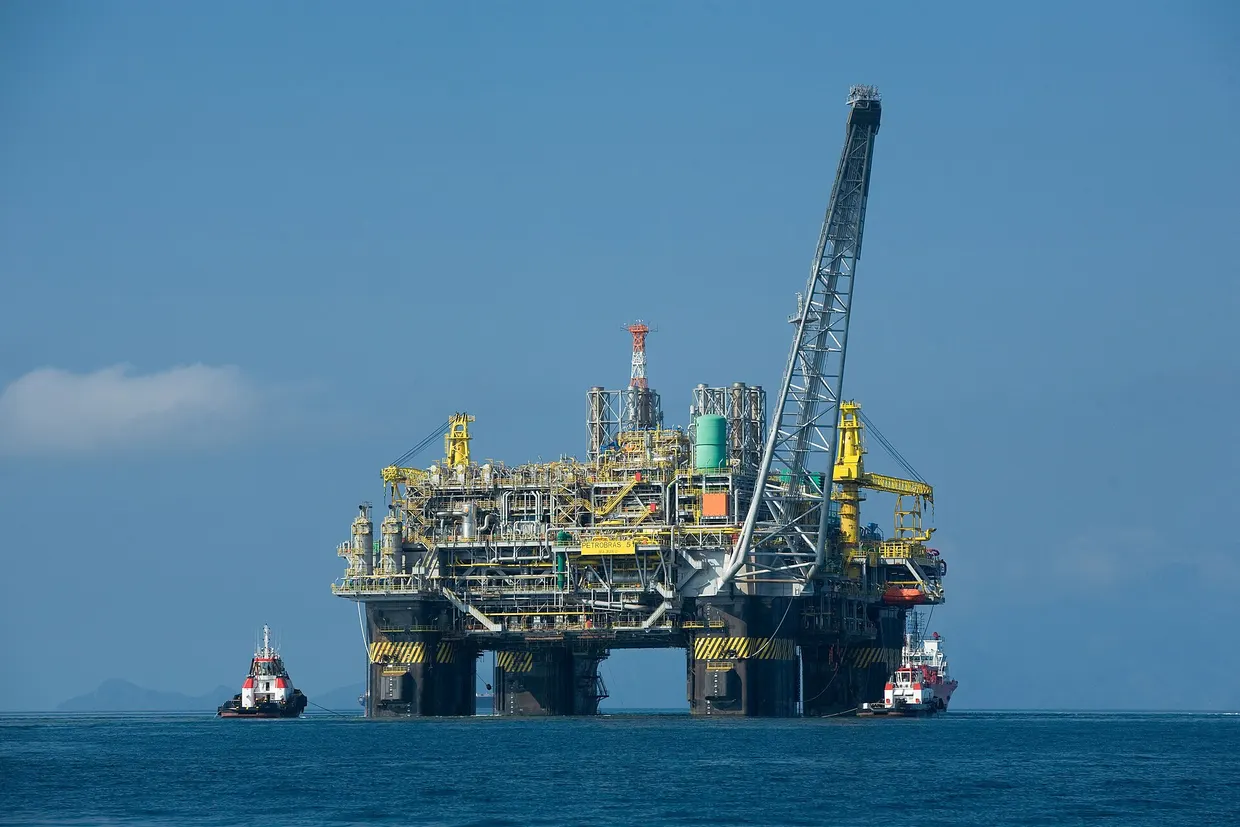
About 250 gas turbines are installed on Norwegian platforms. They supply electricity and mechanical power, for example to export compressors, and release large amounts of heat and CO2 through their exhaust. Some turbines have been replaced by power from the mainland, but this depends on power availability and distance from shore.
On land, a bottoming cycle uses exhaust heat to make steam that drives an additional turbine, yielding more electricity from the same fuel. Offshore, the equipment has been too large and heavy for most platforms. Some older and larger platforms installed such cycles about 25 years ago.
Thin pipes and compact geometry
The solution took 15 years to develop. The researchers built a computational program, FlexHX, to simulate and optimize pipe choice, flow paths and geometry before construction norwegianscitechnews.com
norwegianscitechnews.comnorwegianscitechnews.comOpen source ↗. To make the boiler compact, the pipes had to be thinner than standard dimensions and packed more densely with fins. In the demo plant the pipe wall is 1.65 mm and the welded-on fins are 0.5 to 0.75 mm thick.
The boiler has the same length and height as those used with typical offshore gas turbines, but its width is only 20-25% of the standard dimension. According to the developers, a compact boiler of this type would be about 50% lighter and need about 15% less space than a conventional one. The 5 MW turbine is roughly 20% of the capacity of a typical offshore unit.
Test results
The main risks were vibration and material fatigue from temperature swings at start-up and shutdown, since there was no operating experience with such thin-walled pipes. The system was instrumented more heavily than usual, with data recorded every second and high-speed filming to detect vibration. Water and steam quality, including conductivity, pH and oxygen, was monitored.
About 10 start-stop cycles per year are considered normal. To simulate a 30-year service life, the boiler was started and stopped more than 300 times norwegianscitechnews.com
norwegianscitechnews.comnorwegianscitechnews.comOpen source ↗. Researcher Ruben Mocholi Montanes said vibrations stay within safe limits; analysis of the raw data will be completed shortly.
The Demo COTSG project is owned by Techouse and carried out with SINTEF Energy. TotalEnergies, Equinor and ConocoPhillips are partners. According to the project, once installed on a platform the technology can raise energy efficiency by up to 33% and cut CO2 emissions by up to 25%.