Sea level rise by 2100 may flood habitats of over 42% of 34,120 land vertebrate species, study in Science finds
A global habitat-mapping study found 14,325–15,324 land vertebrates could lose part of their habitat to the sea by 2100. Only 5.9% of them are listed as climate-threatened by IUCN.
Sea level rise driven by climate change could cause more than 42% of terrestrial vertebrates to lose part of their habitat to the ocean by 2100, according to a global study published in Science and reported by news.mongabay.com. mongabay.com
news.mongabay.comnews.mongabay.comOpen source ↗
The authors overlaid habitat suitability maps for 34,120 species, roughly 90% of known amphibians, reptiles, birds and mammals, with sea level projections from five IPCC climate scenarios, from low to high emissions.
Scale of exposure
Depending on the scenario, between 14,325 and 15,324 of the examined species would be exposed to habitat loss from coastal inundation by 2100. Only 5.9% of them are considered at risk from climate change in IUCN Red List assessments.
The study found up to 63% of birds, 52% of mammals, 36% of reptiles and 24% of amphibians would likely be affected. Reptiles, narrow-ranging species and already threatened species were particularly vulnerable, and reptiles may lose nearly twice the habitat share of birds or mammals. mongabay.com
news.mongabay.comnews.mongabay.comOpen source ↗
Under the highest-emissions scenario, the number of species losing more than 10% of their habitat rises from 18 in 2050 to 109 by 2100, more than half of them reptiles. Three species are projected to lose more than half of their global habitat: the Catalina chuckwalla (Sauromalus klauberi), the Restinga toadlet (Melanophryniscus setiba) and the Brazilian worm lizard Amphisbaena littoralis.
According to co-author Zhong-Wen Jiang of Sun Yat-sen University, 395 species would lose more than 1% of suitable habitat under low emissions, and 1,180 under high emissions.
Regions and refugia
The Amazon delta is expected to see the largest habitat loss, partly because of its high biodiversity: more than 100,000 hectares of riparian forest and coastal wetland could be inundated by 2050. Central America and Southeastern Africa are also at high risk. mongabay.com
news.mongabay.comnews.mongabay.comOpen source ↗
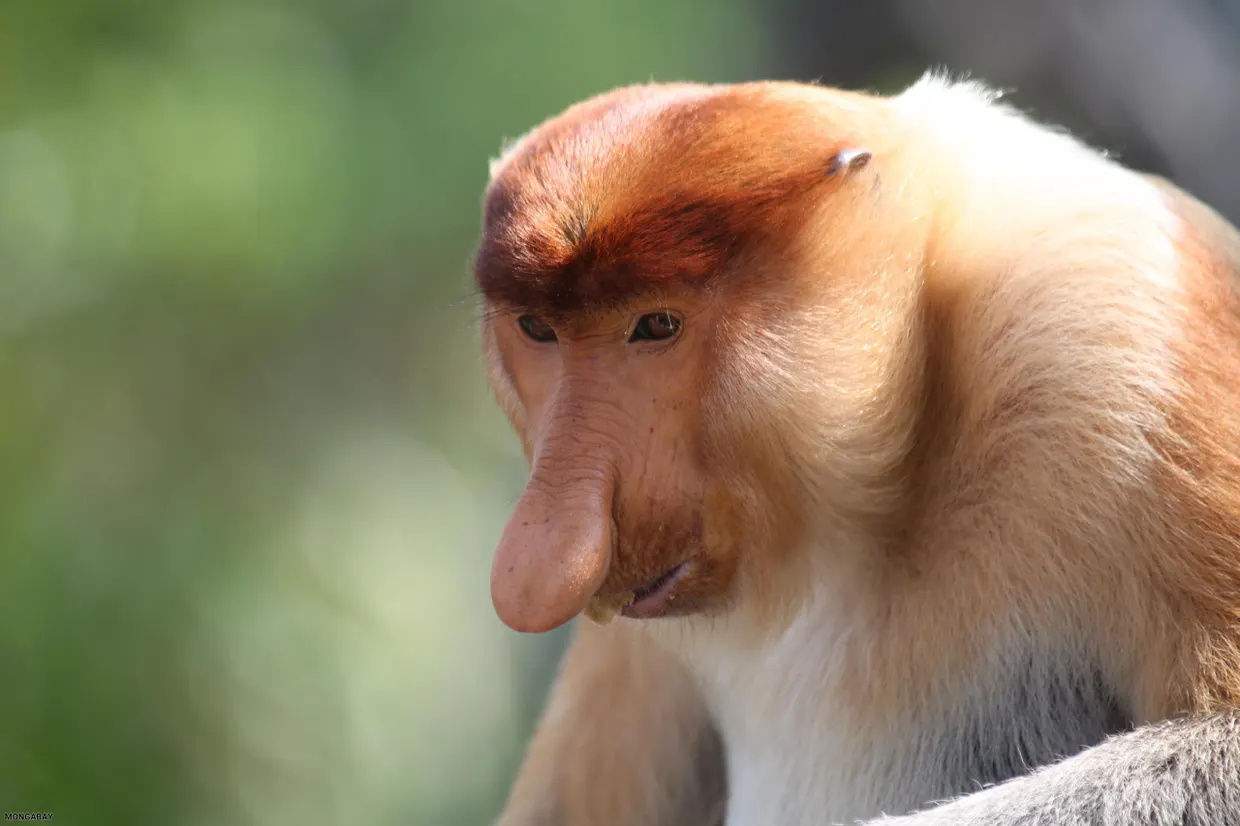
In Southeast Asia, inundated habitats in Peninsular Malaysia, Borneo and Sumatra support nearly three times as many threatened species as the rest of the world, the researchers found. The study points to Myanmar, Vietnam and Indonesia as places where protected areas could be extended into refugia.
The authors identified refugia, parts of species ranges likely to stay above water. However, 96% of them lie outside existing protected areas.
The authors describe their estimates as conservative. The study did not account for salt spray, stronger hurricanes or storm surges, and it covered only terrestrial habitat, not marine or intertidal zones. mongabay.com
news.mongabay.comnews.mongabay.comOpen source ↗