Crocodiles survived the dinosaur extinction by staying in warm climates, a new study finds
According to a new study cited by Reuters, crocodiles stayed in warm regions and followed suitable habitats, while cold-bloodedness helped them endure the aftermath of the impact.
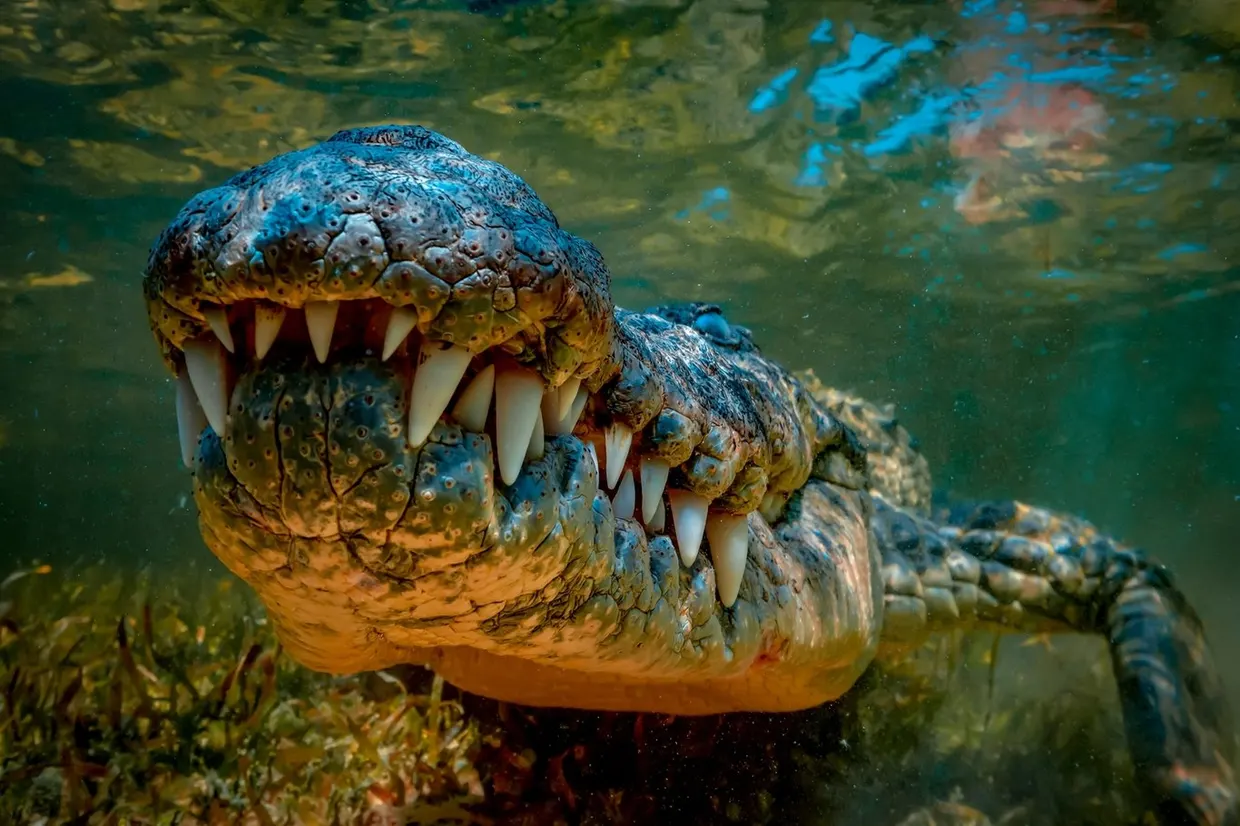
Crocodiles survived the aftermath of the impact that wiped out the dinosaurs partly because they consistently stayed in warm climates. This follows from a new study reported by Reuters and covered by denik.cz denik.cz
denik.czdenik.czOpen source ↗. The order, which includes alligators, caimans, gharials, the most numerous living group, the crocodile family, and many extinct relatives, has lived on Earth for more than 240 million years.
The environmental catastrophe was caused by a massive object striking the Yucatán Peninsula, in today's Mexico, 66 million years ago. It wiped out a third of the species of the time, including most dinosaurs. Of the dinosaurs, only the lineage that gave rise to modern birds survived.
Why warm climates mattered
A 2023 Belgian study found that the impact lifted an enormous amount of dust into the atmosphere, which could have stayed there for up to 15 years. The dust could have blocked sunlight, halted photosynthesis for up to two years and contributed to global cooling of up to 15 degrees Celsius. Unlike other animals, crocodiles never tended to spread beyond warm climates, and they survived.
Paleontologist Alfio Alessandro Chiarenza of University College London told Reuters that, rather than adapting gradually to new conditions, crocodiles followed suitable habitats as they shifted geographically. In warmer periods they moved toward the poles, in colder ones back toward the equator, and for some time they even lived in Antarctica. In simulations of the impact's aftermath, suitable conditions for crocodiles persisted in tropical and subtropical regions in all scenarios except the most extreme ones denik.cz
denik.czdenik.czOpen source ↗.
Physiology and lost diversity
Other traits may also have helped. Crocodiles are cold-blooded, so they need to feed less often than warm-blooded animals, and some can go without food for more than a year. When temperatures fall, they can enter a state similar to hibernation, which lets them survive severe frosts.
According to Chiarenza, today's crocodiles are only a fraction of the diverse evolutionary group they once formed. Over their history they filled almost all ecological roles: they were apex predators and herbivores, lived on land and in the oceans, and some fed on molluscs. In the age of the dinosaurs there was a species that grew up to 12 meters long and rivaled Tyrannosaurus rex in body mass.