CT-guided large-needle pancreatic biopsy gave 94.4% initial diagnostic yield in 882 patients
In a retrospective single-center cohort, percutaneous CT-guided biopsy of suspected malignant pancreatic lesions had 92.3% accuracy; core needles outperformed aspiration.
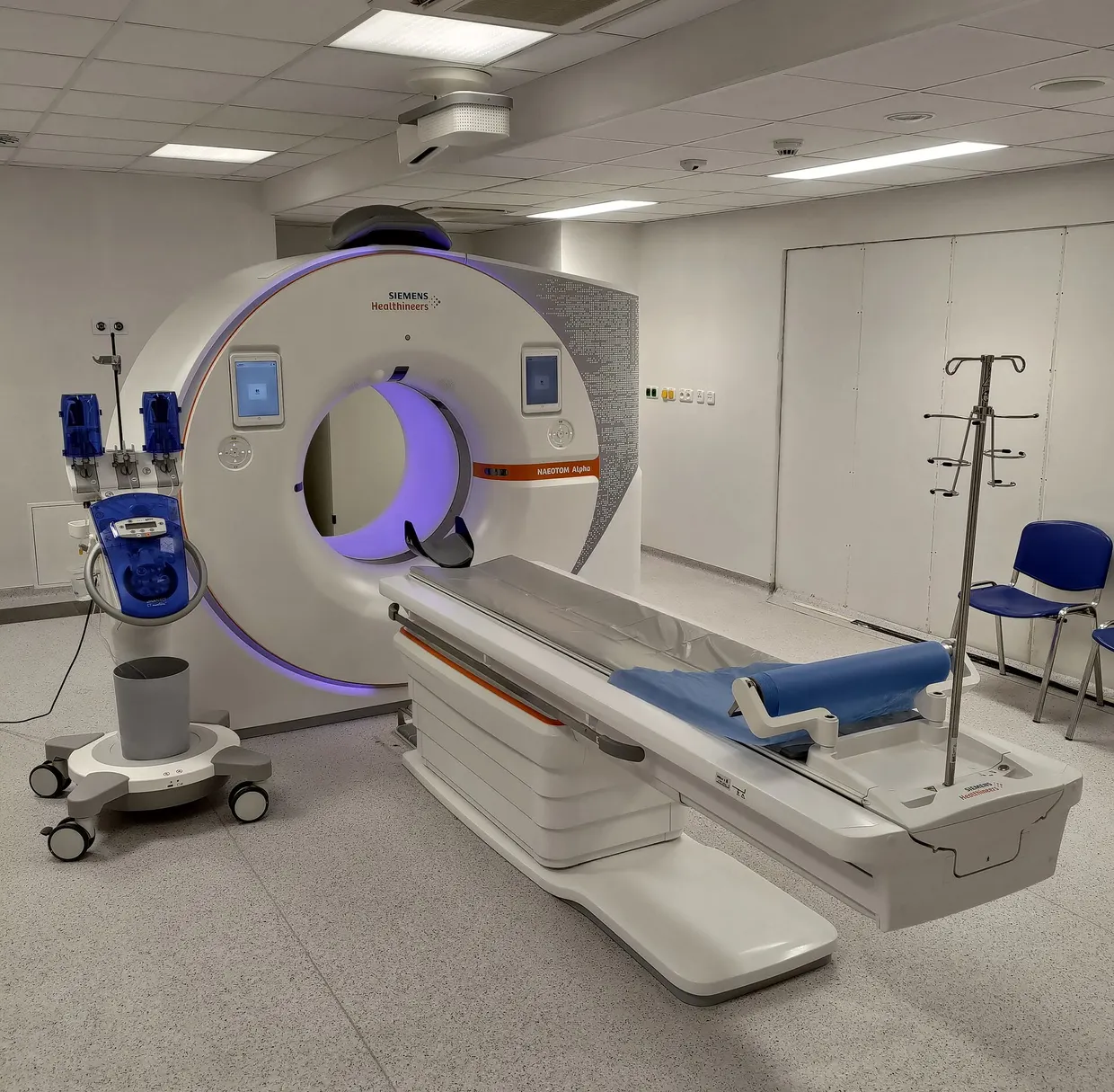
A retrospective study published in Frontiers in Oncology assessed percutaneous CT-guided large-needle biopsy in 882 patients with suspected malignant pancreatic lesions. The procedures were performed at a tertiary medical center between January 2018 and January 2024. All lesions had been identified on preoperative CT or MRI. Technical success was 100%, and the initial diagnostic yield was 94.4% (833/882) frontiersin.org
Frontiers in Oncologyfrontiersin.orgOpen source ↗.
The authors selected the 882 patients from 1,034 consecutive cases. Median age was 62 years, and the median long-axis lesion diameter was 37.5 mm. In 458 patients the lesion was in the pancreatic head, and in 424 it was in the body or tail. Final diagnoses were neoplastic in 846 cases and non-neoplastic in 36.
Diagnostic performance and complications
Positive predictive value was 100% (773/773), negative predictive value was 43.1% (47/109), and diagnostic accuracy was 92.3% (814/882). Of the 49 initial samples that were non-diagnostic, 8 contained necrotic tissue, 28 showed non-diagnostic atypical findings such as fibrosis or normal parenchyma, and 13 had inadequate cellularity. Sixty-four complications (7.3%) were recorded. Median procedure time was 21 minutes.
Factors that affected yield
Two sampling methods were used with 18-gauge instruments: core needle biopsy (CNB) in 429 patients and aspiration biopsy in 453. In multivariate analysis, CNB was associated with a higher initial yield (OR = 3.21, 95% CI 1.53–6.73, p = 0.002). Solid-cystic lesions (OR = 0.30, 95% CI 0.15–0.61, p = 0.001) and greater lesion depth (OR = 0.98, 95% CI 0.96–0.99, p = 0.002) were associated with a lower yield frontiersin.org
Frontiers in Oncologyfrontiersin.orgOpen source ↗.
Lesion size, site and access route were not associated with initial yield (all p > 0.05). The direct route was used in 651 procedures and an indirect trans-organ route in 231.
The authors conclude that the method can serve as a supplementary way to obtain diagnostic specimens from patients with suspected malignant pancreatic lesions who are ineligible for surgery, when endoscopic ultrasound-guided biopsy is unsuitable or not feasible.