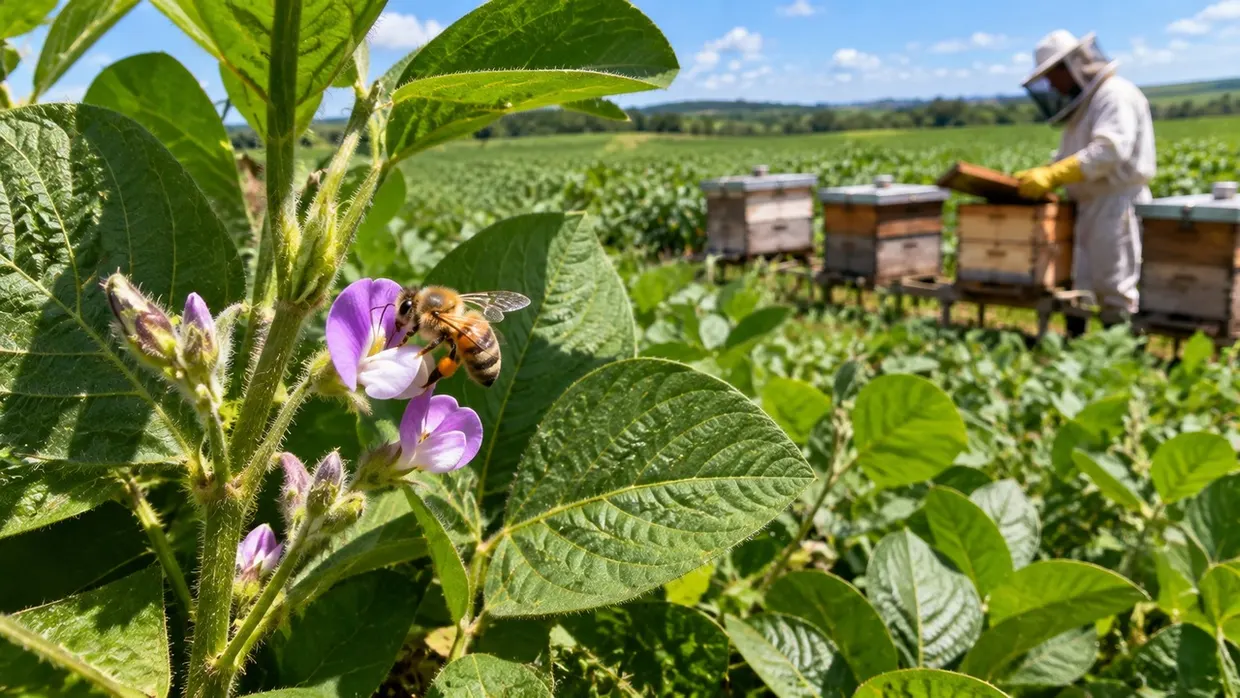
Smooth vetch cover plus fertilization gave 13-fold higher citrus yield in a field trial in Hubei, China
In an orchard field experiment, trees with fertilizer and smooth vetch cover gave 3.58 kg of fruit each versus 0.28 kg without either; microbial properties best predicted leaf nutrients.
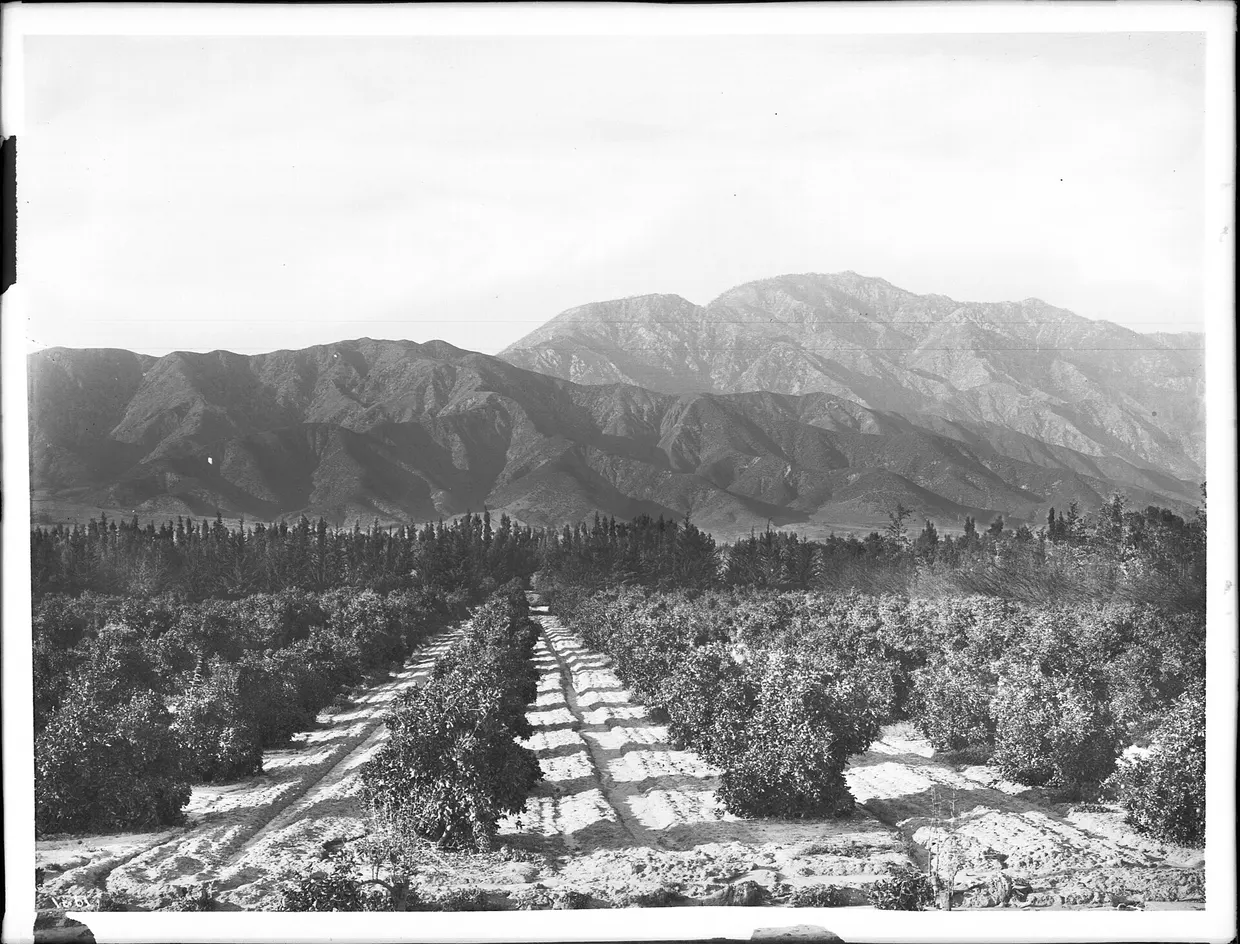
A field experiment in a citrus orchard in Zigui County, Hubei Province, China, compared fertilization and a smooth vetch (Vicia villosa var. glabrescens) cover crop, alone and combined. According to the study in Ecological Processes, trees under fertilization with vetch cover produced a mean of 3.58 ± 0.76 kg of fruit per tree. Trees with neither treatment produced 0.28 ± 0.04 kg, a 13-fold difference (p < 0.01) biomedcentral.com
Ecological Processesbiomedcentral.comOpen source ↗.
Experimental design
The orchard has Jiuyuehong navel orange trees planted in 2020 on terraced slopes. Four treatments were set up in a factorial design: fertilization with vetch (VF), fertilization without vetch (VnoF), vetch without fertilization (VFno), and no fertilization and no vetch (VnoFno). The authors measured soil properties, leaf nutrient concentrations, microbial characteristics and fruit yield. Plots received a 25-10-16 compound fertilizer at 16 kg per tree per year. Vetch was sown at 30 kg per hectare as a winter cover and left on the surface as mulch after dying back in mid-May.
Soil, leaves and microbes
Vetch alone had little effect on soil properties. Fertilization lowered the soil C:N ratio whether or not vetch was present. The authors attribute this to faster residue decomposition and nutrient cycling. In the VF treatment, C:P and N:P ratios did not change significantly, which points to an effect on nitrogen rather than phosphorus.
Soil changes did not carry over directly to the plants. Leaf phosphorus differed significantly among treatments, highest in VFno and lowest in VnoF, and shifted leaf C:P and N:P ratios. The authors describe this as a decoupling of soil and plant stoichiometry. In a Random Forest analysis, soil microbial properties were the strongest predictors of leaf nutrient variation. A PLS-PM analysis showed the largest total effect on yield for soil clay content, which the authors link to aggregate stability and nutrient retention biomedcentral.com
Ecological Processesbiomedcentral.comOpen source ↗.
An entropy-weighted TOPSIS evaluation that combined yield, soil quality and environmental indicators ranked VF first, with a relative closeness coefficient of 0.535 against 0.457 for VnoFno. The authors recommend the combined practice for subtropical orchards and note that the causal mechanisms still need experimental validation.