BMJ Nutrition review of 14 studies: ultra-processed food groups differ in diabetes and hypertension risk
A review of 14 publications links processed meats and sweetened drinks to higher cardiometabolic risk, while breads, biscuits and breakfast cereals are linked to lower risk.
A review in BMJ Nutrition, Prevention & Health (nutrition.bmj.com) analysed how different groups of ultra-processed foods relate to cardiometabolic disease. The search of PubMed returned 309 records. Fourteen publications that separated ultra-processed foods into subgroups were included: 12 prospective studies and two randomised clinical trials nutrition.bmj.com
nutrition.bmj.comnutrition.bmj.comOpen source ↗.
Groups linked to higher risk
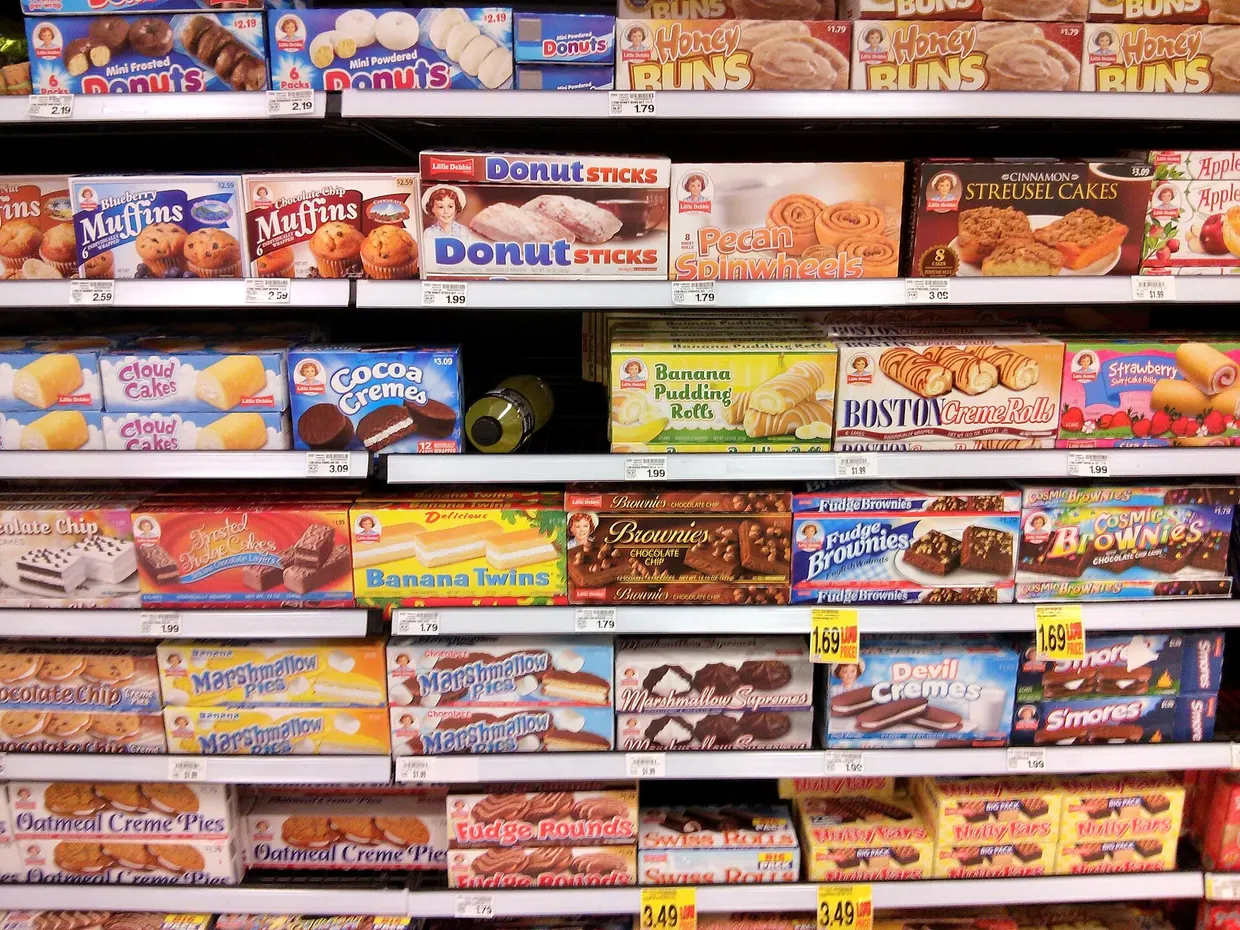
The Nova system sorts foods into four categories by degree and methods of processing, and 'ultra-processed' marks the most extensive processing. In seven prospective studies on diabetes, ultra-processed foods as a group were associated with higher risk of type 2 diabetes, but the food groups differed markedly. Positive associations with adverse outcomes were found for processed meats, sweetened beverages (sugar-sweetened and artificially sweetened), and fats, spreads and sauces.
In the EPIC cohort of 311,892 people, each 10% g/day higher intake of savoury snacks (HR 2.77; 95% CI 1.09 to 7.05), animal-based products (HR 2.25; 95% CI 1.96 to 2.57) and sweetened beverages (HR 1.25; 95% CI 1.22 to 1.28) was associated with higher incidence of type 2 diabetes. In the Atherosclerosis Risk in Communities Study (31,172 Americans), the highest quartile of sweetened beverages, ultra-processed meats and sugary snacks was associated with 29%, 21% and 16% higher diabetes risk than the lowest quartile.
Groups linked to lower risk
Other ultra-processed foods were associated with lower risk, mainly breads, biscuits and breakfast cereals, and whole grains nutrition.bmj.com
nutrition.bmj.comnutrition.bmj.comOpen source ↗. In EPIC, breads, biscuits and breakfast cereals had HR 0.65 (95% CI 0.57 to 0.73), and plant-based alternatives had HR 0.46 (95% CI 0.26 to 0.82). Results for sweets and desserts were mixed: ice cream was linked to higher diabetes risk in some cohorts, while candy and chocolate were linked to lower risk in others.
For hypertension, a study of 8,293 people compared the highest and lowest consumption groups. Sugar-sweetened beverages were associated with 16% higher risk, red and processed meat with 10% and margarine with 6%. Breakfast cereals and dairy products were associated with 10% and 11% lower risk.
The review also reports that randomised clinical trials show health benefits from replacing animal products with plant-based foods, even processed ones. The authors suggest that the Nova system could be improved by distinguishing animal from plant foods.