Financial incentives nearly doubled smoking cessation in 3,200 underserved adults in a JAMA trial
In a randomized trial at five U.S. medical centers, 8.8% of screened smokers given free medications and up to $600 quit by six months, versus 4.3% with usual care.
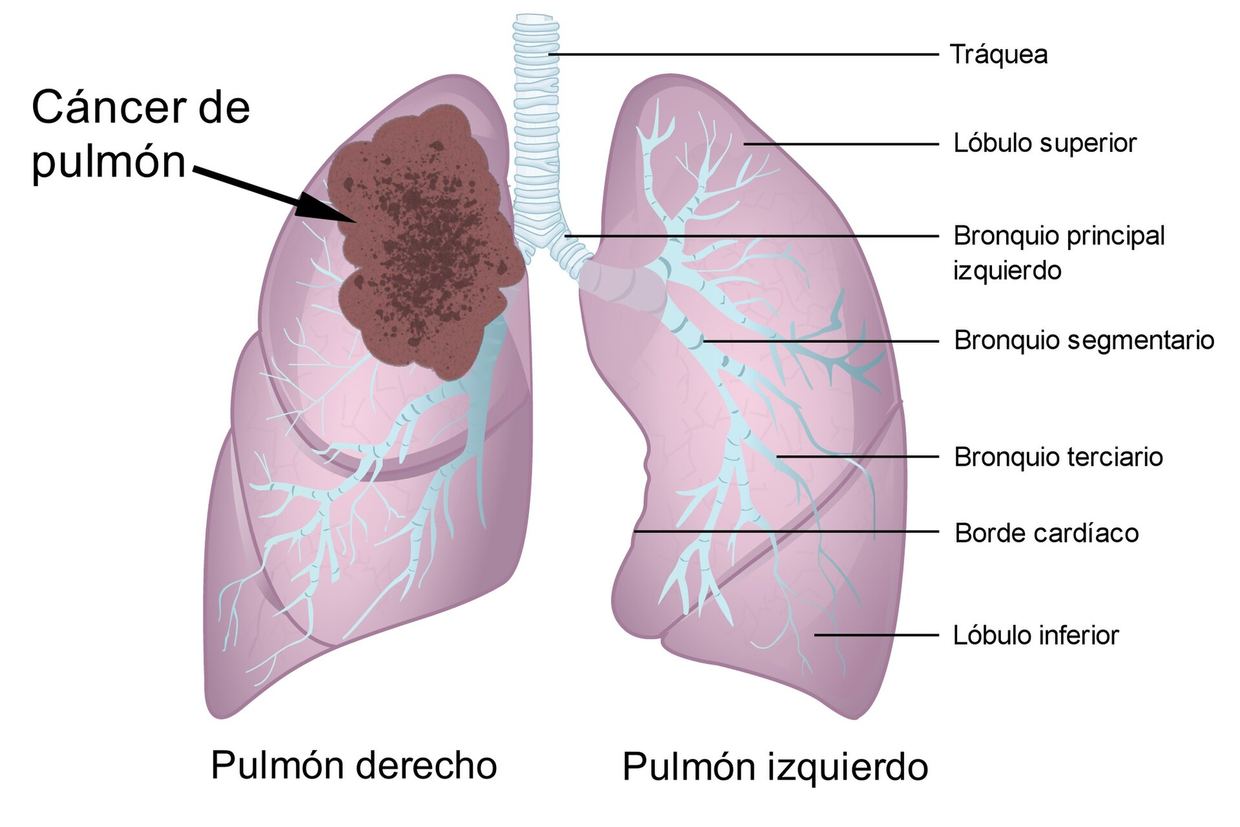
Offering financial incentives to people trying to quit smoking nearly doubled cessation rates among medically underserved adults undergoing lung cancer screening. This follows from a randomized clinical trial published in JAMA and described by EurekAlert on 3 November 2026 eurekalert.org
EurekAlerteurekalert.orgOpen source ↗. The trial enrolled more than 3,200 adults at five U.S. centers: Henry Ford Health, Penn Medicine, Lancaster General Health, Geisinger and Kaiser Permanente Southern California
eurekalert.org
EurekAlerteurekalert.orgOpen source ↗.
Trial design and results
Participants were primarily from populations that face barriers to high-quality health care. These included people with lower incomes, residents of rural communities, and Black and Hispanic adults eurekalert.org
EurekAlerteurekalert.orgOpen source ↗. The researchers compared four smoking cessation strategies.
After six months, 8.8% of participants who received free cessation medications and could earn up to $600 in financial incentives had quit. In the usual-care group the figure was 4.3% eurekalert.org
EurekAlerteurekalert.orgOpen source ↗. Abstinence was verified by blood or urine testing.
Christine Neslund-Dudas, Ph.D., a Henry Ford Health researcher and study investigator, noted that these are people who have smoked for many years and may have tried to quit before. In her view, the findings offer another tool to consider, particularly for those facing additional barriers.
Link with lung cancer screening
People undergoing lung cancer screening already have an increased risk of the disease because of their smoking history. The authors see an opportunity for health systems to connect tobacco treatment with screening eurekalert.org
EurekAlerteurekalert.orgOpen source ↗. At Henry Ford Health, tobacco treatment is built into the centralized lung cancer screening program, so people who smoke are connected with cessation support during screening.
The Henry Ford Health Tobacco Treatment Service provides telephone counseling based on motivational interviewing, which helps people examine their reasons for smoking and quitting and develop strategies for changing behavior. Treatment can also include medications that reduce cravings and withdrawal symptoms. The service is free for patients as a community benefit.
Pulmonologist Mike Simoff, M.D., said screening allows doctors not only to find cancer earlier but also to address one of the main risk factors for cancer and many other diseases. Quitting can reduce the risk of other cancers and cardiovascular disease.
Several questions remain open: how financial incentives could be built into routine care, who would pay for them, how much long-term health care savings they could bring, and how such programs could reach people with limited resources eurekalert.org
EurekAlerteurekalert.orgOpen source ↗.