Shedd Aquarium and partners publish freshwater mussel surveys of Honduras and El Salvador
Three peer-reviewed papers report mussel surveys at 32 sites in Honduras and 35 in El Salvador, plus a mountain mullet found again in the Choluteca River after 80 years.
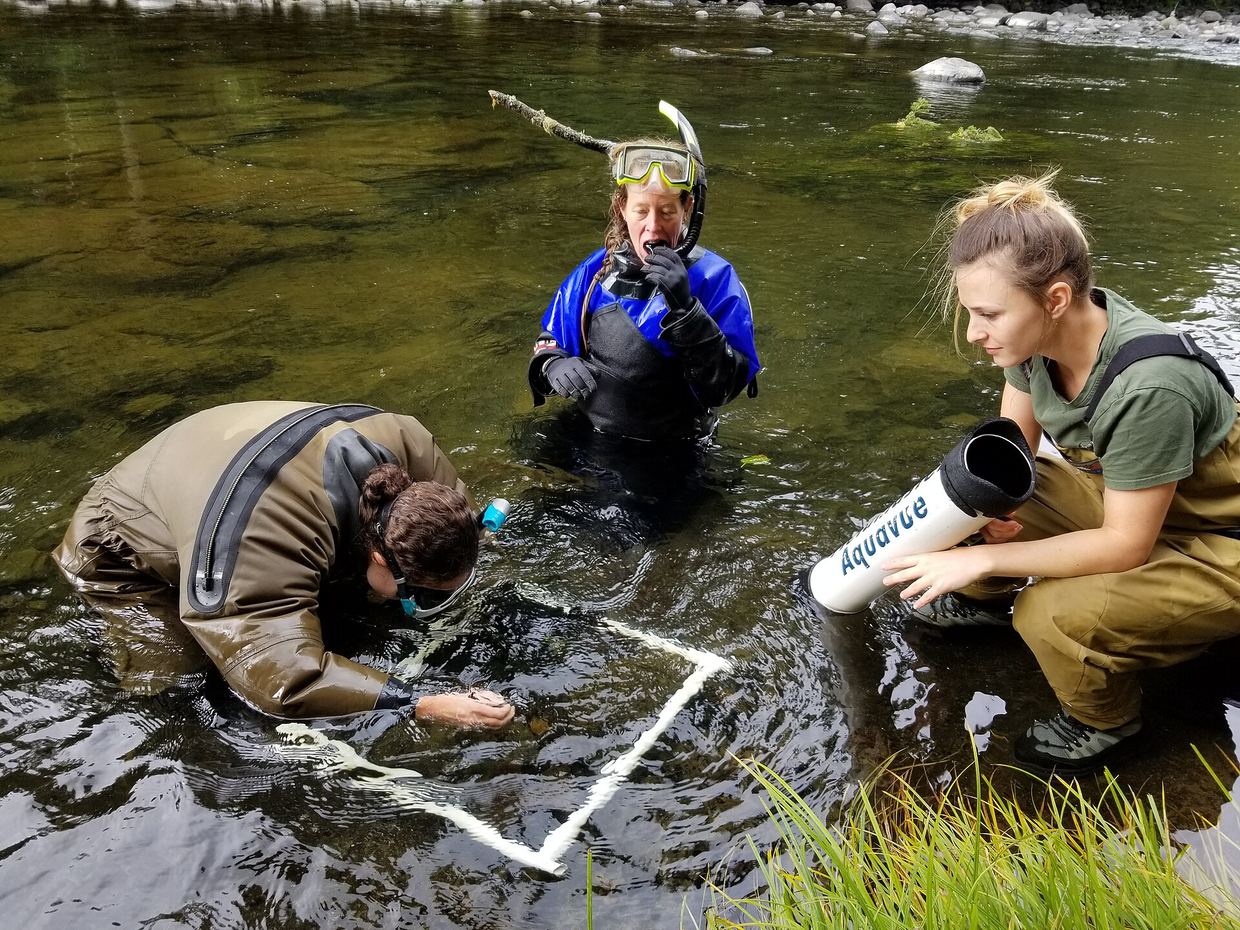
Shedd Aquarium and the IUCN SSC Center for Species Survival Freshwater (CSS Freshwater), together with partners in Honduras and El Salvador, have published three peer-reviewed papers on freshwater biodiversity in Central America, according to a 4 November 2026 release distributed by EurekAlert. The papers present what the authors describe as the most comprehensive freshwater mussel surveys conducted in Honduras and El Salvador, and the rediscovery of a fish species in a Honduran river system. eurekalert.org
EurekAlerteurekalert.orgOpen source ↗ The work involved members of the IUCN SSC Mollusc Specialist Group.
eurekalert.org
EurekAlerteurekalert.orgOpen source ↗
Central American freshwater ecosystems are among the least-studied in the world. Yasmín Quintana, manager of CSS Freshwater and co-author of all three studies, said that surveys are the necessary first step before conservation action, because the species in each habitat and the threats they face must be known first. eurekalert.org
EurekAlerteurekalert.orgOpen source ↗
Mussel surveys in Honduras and El Salvador
Freshwater mussels are long-lived filter feeders that clean water, cycle nutrients and stabilize sediment. Roughly 45% of species worldwide are considered near threatened, threatened or already extinct. eurekalert.org
EurekAlerteurekalert.orgOpen source ↗
In Honduras, a team led by Dilenia Martínez of the Instituto de Investigación en Ciencias Biológicas y Ambientales de Honduras (IBIOAH) surveyed 32 sites in rivers, lakes and lagoons. They confirmed five mussel species, two of them reported in the country for the first time. Distributions were patchy, and diversity differed between the Caribbean and Pacific drainages. Genetic analysis left some taxonomic questions among populations unresolved. eurekalert.org
EurekAlerteurekalert.orgOpen source ↗
In El Salvador, a team led by José Enrique Barraza of the Ministry of Environment and Natural Resources (MARN) surveyed 35 sites across 24 rivers, lakes and lagoons. They confirmed two native species and one non-native species. The survey also documented the continued spread of the invasive Asian clam and an established non-native population of a Pacific pond mussel. Genetic data helped resolve a long-standing taxonomic question between two native species. eurekalert.org
EurekAlerteurekalert.orgOpen source ↗
Mountain mullet in the Choluteca River
A third paper, led by Wilfredo Matamoros of the Universidad de Ciencias y Artes de Chiapas and IBIOAH, reports the mountain mullet (Dajaus monticola) in the lower Choluteca River on Honduras's Pacific slope. The species is common on the Atlantic side of the country, but in the Pacific-slope Choluteca drainage it had been documented only once, from a single specimen in 1946. eurekalert.org
EurekAlerteurekalert.orgOpen source ↗
During fish surveys conducted alongside the mussel fieldwork in 2026, researchers found a juvenile, confirming that the species persists in the river. The release notes that the mountain mullet is highly sensitive to dams and river fragmentation. eurekalert.org
EurekAlerteurekalert.orgOpen source ↗
CSS Freshwater provided fieldwork support and laboratory analyses for all three studies. The resulting occurrence records, distribution maps and genetic baselines are intended for IUCN Red List assessors and freshwater managers. eurekalert.org
EurekAlerteurekalert.orgOpen source ↗ Barraza said that Shedd's support led to the creation of the National Freshwater Bivalve Conservation Program within MARN.
eurekalert.org
EurekAlerteurekalert.orgOpen source ↗