NYU Langone: HOXA10 gene keeps bone stem cell pool intact in mice; deletion cuts it by 90% in 15 months
In mice, deleting HOXA10 depleted skeletal stem cells and impaired fracture healing, the NYU Langone team reported. Human bone cells showed a similar response.
Researchers at NYU Langone Health have identified the gene HOXA10 as a protector of the bone stem cell pool throughout life, according to a study published on 4 November in Science Advances, as reported by EurekAlert. The work was done mainly in mice, with additional tests on human bone biopsy cells eurekalert.org
EurekAlerteurekalert.orgOpen source ↗.
The gene keeps immature stem cells from maturing into bone-building osteoblasts until they are needed for healing. Matured cells generally cannot return to the stem state, so the supply is limited and shrinks with age, the authors note eurekalert.org
EurekAlerteurekalert.orgOpen source ↗.
Stem cell loss after HOXA10 deletion
The team deleted HOXA10 in 6-day-old mouse pups and followed bone stem cells for 15 months. By the end of that period, 90 percent of the stem cells and descendants that should have been present were gone because of a loss of self-renewal eurekalert.org
EurekAlerteurekalert.orgOpen source ↗.
To track the cells, the mice were engineered so that HOXA10-expressing stem cells carried a fluorescent green marker, and the gene could be switched off on command. HOXA10-positive cells in the periosteum, the membrane covering most bone surfaces, outperformed other stem cells in colony-forming, a standard readout of self-renewal capacity eurekalert.org
EurekAlerteurekalert.orgOpen source ↗.
Effects on fracture healing
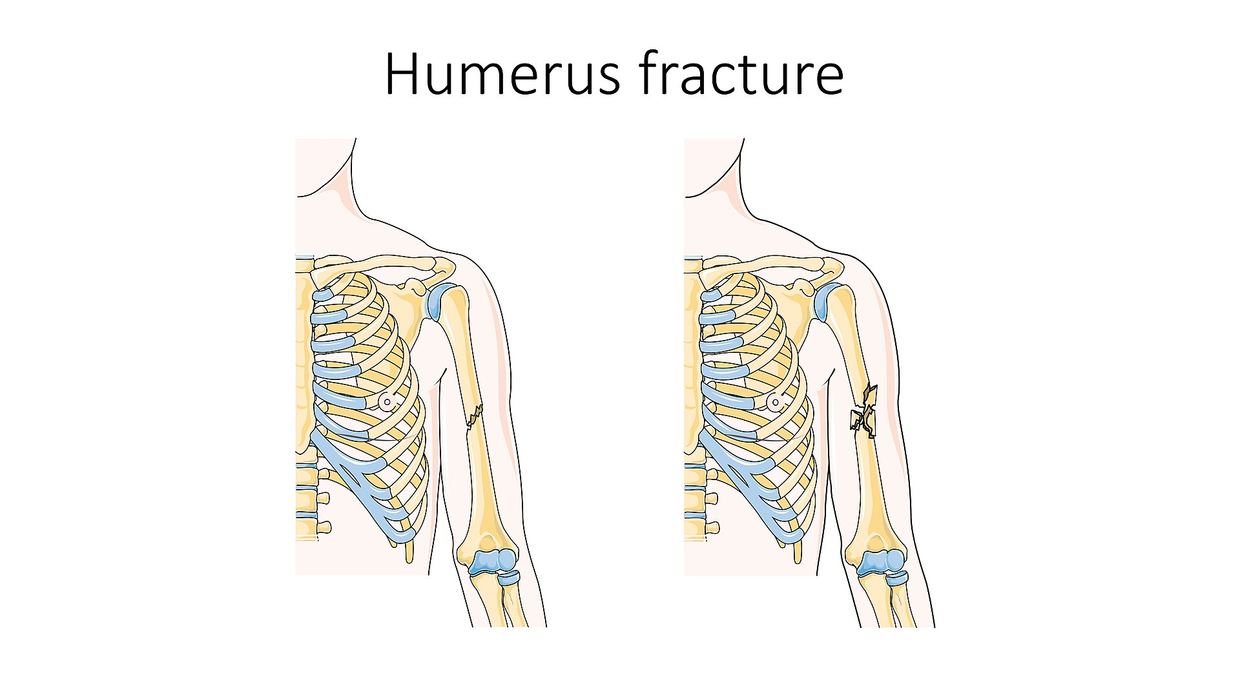
Mice lacking HOXA10 activity did not heal properly after a bone break. The proportion of stem cell progenitors in the callus, the temporary tissue bridge across a fracture, was 48 percent in the engineered mice versus 76 percent in control mice with the functional gene eurekalert.org
EurekAlerteurekalert.orgOpen source ↗.
Other experiments showed that deleting HOXA10 made the collagen framework at the break disorderly. According to the authors, this scaffold must be arranged in neat lines rather than a tangled mesh for new bone to harden with calcium eurekalert.org
EurekAlerteurekalert.orgOpen source ↗.
The researchers also took bone biopsies from human patients and silenced three related HOX genes at once. The human cells responded like mouse cells, with larger reductions in stem cell numbers, and apoptosis rose by 50 percent. Corresponding author Philipp Leucht said this suggests human stem cells may depend even more on HOX genes for long-term self-renewal eurekalert.org
EurekAlerteurekalert.orgOpen source ↗.
A 2023 study from the same group showed that increasing HOXA10 activity could improve fracture healing in older mice. The authors describe HOX genes as potential therapeutic targets for enhancing bone regeneration; the current results are preclinical eurekalert.org
EurekAlerteurekalert.orgOpen source ↗.