Yucatán lake sediments from the Classic Maya era hold mercury far above modern toxicity thresholds
Cores from Lago Cobá and Cenote Xcach show mercury exceeded modern sediment thresholds by orders of magnitude for centuries, alongside collapse of the aquatic food web.
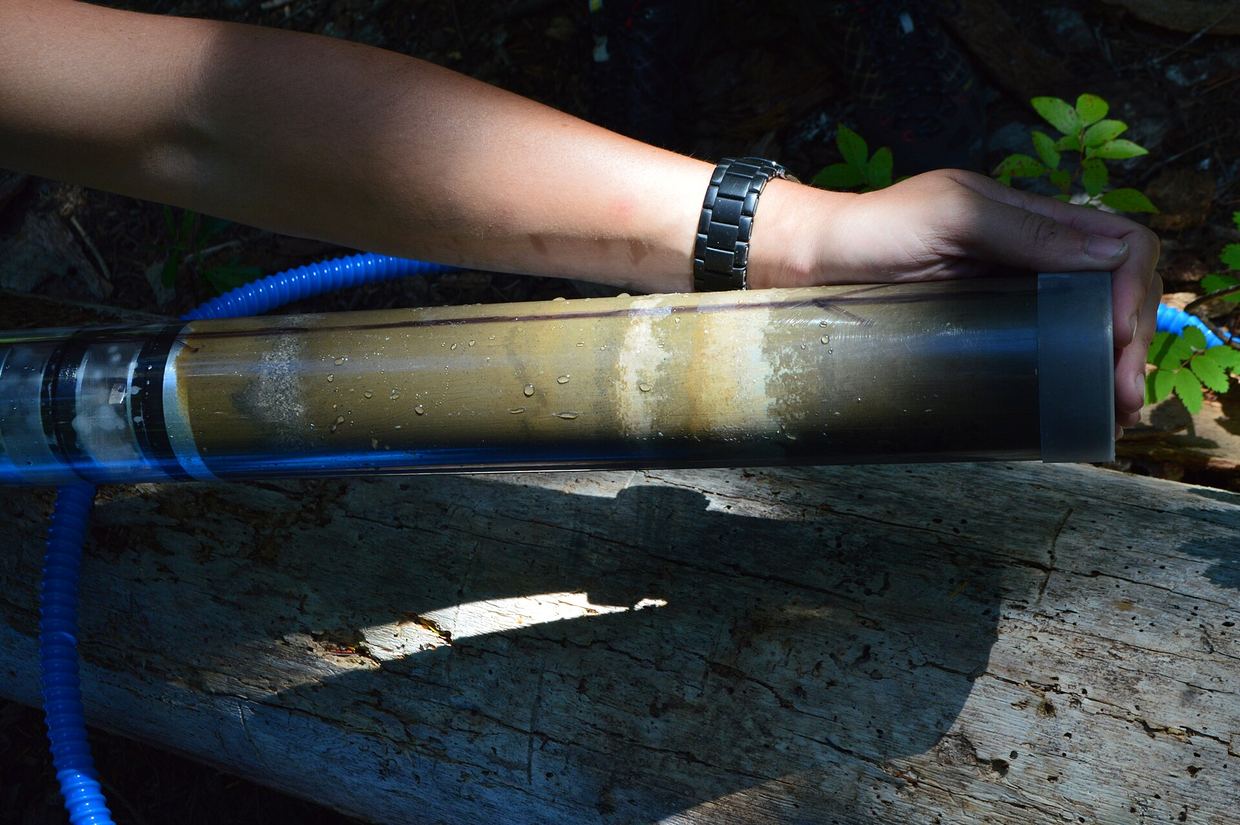
Matthew Neal Waters of Auburn University and colleagues have reported extremely high mercury concentrations in sediment cores from two lakes on the Yucatán Peninsula, Lago Cobá and Cenote Xcach. The material dates to the Classic Period (250–920 CE). According to the paper in Science Advances, published on 4 November 2026, mercury levels exceeded modern sediment toxicity thresholds by orders of magnitude for centuries during ancient Maya occupation doi.org
Science Advancesdoi.orgOpen source ↗. Contamination had not previously been documented in this part of the Yucatán lowlands.
Mercury in the Maya region
Mercury in the Maya region is associated with the use of both elemental mercury and the mineral cinnabar (HgS), which served as a red pigment doi.org
Science Advancesdoi.orgOpen source ↗. Earlier work focused mainly on communities in the southern highlands and the south-central lowlands. The new cores show that mercury also reached the Yucatán Peninsula during the Classic Period
doi.org
Science Advancesdoi.orgOpen source ↗. The release accompanying the study says the Maya used mercury in the form of cinnabar paint for ceremonies, religious events and decoration.
The authors note that questions remain about the toxicity of mercury and about the consequences of prehistoric exposure for ecosystem and human health doi.org
Science Advancesdoi.orgOpen source ↗. The sediment record addresses the ecosystem side of this question.
Aquatic food web collapse
The same sediments contain evidence of aquatic food web collapse. The affected groups include algae, bacteria, cyanobacteria, ostracods, snails and nonbiting midges doi.org
Science Advancesdoi.orgOpen source ↗. The collapse coincides in time with the periods of high mercury concentrations, which the authors take as confirmation that mercury toxicity acted as an additional environmental stressor for Classic Maya populations
doi.org
Science Advancesdoi.orgOpen source ↗.
This adds to the known environmental pressures of the period, which included droughts, deforestation and soil erosion doi.org
Science Advancesdoi.orgOpen source ↗. Recent studies on mercury pollution and cyanotoxins had already suggested that degraded water quality was a stressor for the Pre-Columbian Maya.
"Whereas climate-associated reductions in water quantity are well established as a regional stressor for the ancient Maya, our results suggest that declining water quality driven by [mercury] contamination constituted an additional and previously underappreciated environmental stressor," the authors write doi.org
Science Advancesdoi.orgOpen source ↗.