ARC fMRI signature separates SuperAgers from Alzheimer's patients with AUC 0.85 in a 290-person cohort
Authors identified a resting-state fMRI connectivity signature that, in cognitively unimpaired adults, was linked to slower cognitive decline and lower amyloid-β accumulation during follow-up.
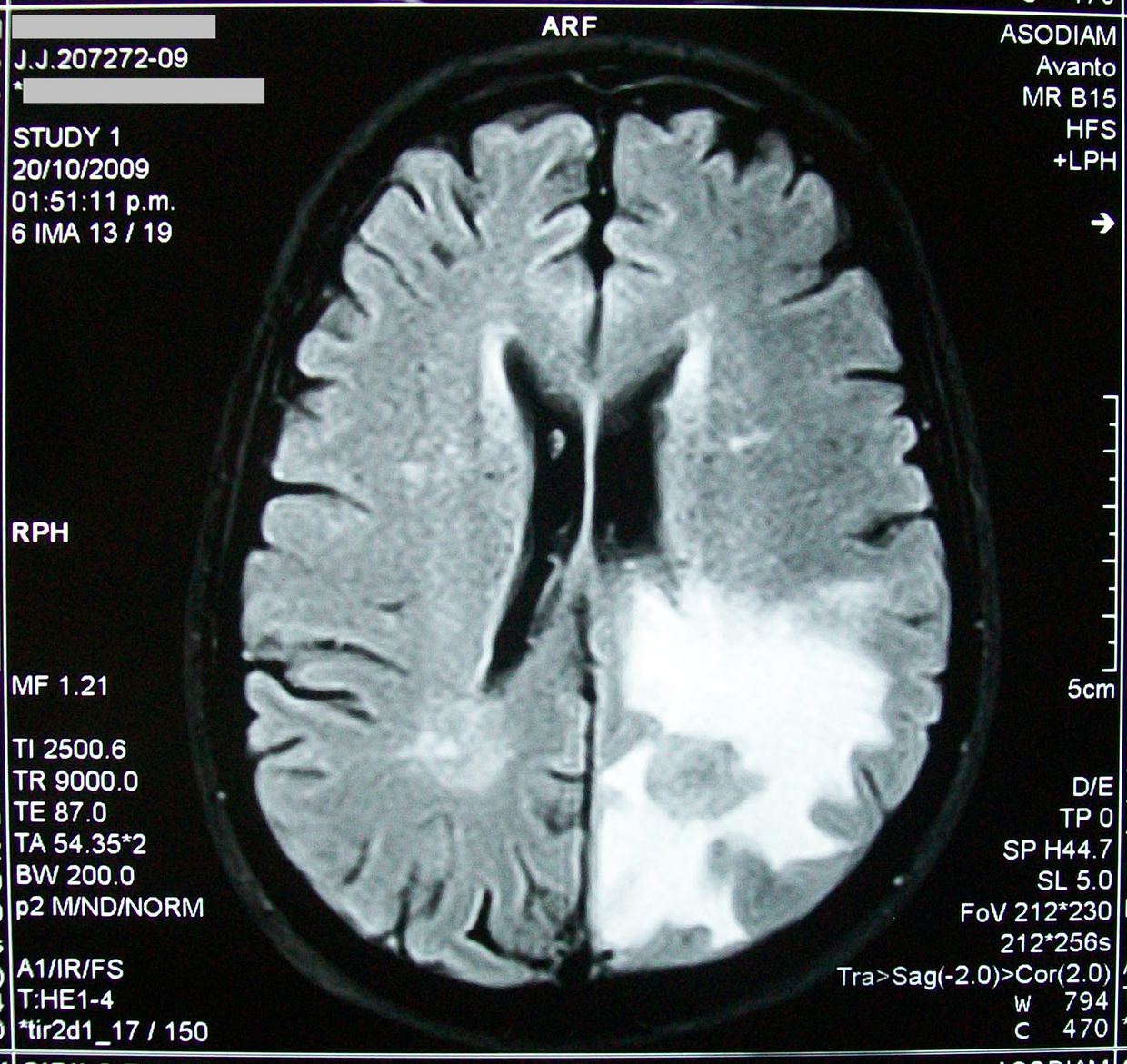
Kanhao Zhao and colleagues described a functional connectivity signature, the Alzheimer's-resilient connectome (ARC), in a study posted on bioRxiv (Cold Spring Harbor Laboratory) doi.org
bioRxiv (Cold Spring Harbor Laboratory)doi.orgOpen source ↗. The signature distinguishes superagers, older adults who keep youthful memory into late life, from age-matched patients with Alzheimer's disease. It was derived from resting-state fMRI in a discovery cohort of 290 people and validated in an independent replication cohort of 143
doi.org
bioRxiv (Cold Spring Harbor Laboratory)doi.orgOpen source ↗. The work was also published in Science Advances on 4 November 2026.
Superagers versus Alzheimer's disease
Earlier approaches compared Alzheimer's patients with cognitively unimpaired adults. Here the comparison group was superagers, which sets the other end of the range of cognitive aging. The discovery cohort included 180 superagers and 110 patients with diagnosed Alzheimer's disease, all at least 75 years old. Classifiers built on their connectivity data separated the two groups with an AUC of 0.85 doi.org
bioRxiv (Cold Spring Harbor Laboratory)doi.orgOpen source ↗.
ARC involved prefrontal, temporal and insular networks. According to the authors, it was strongly associated with brain age doi.org
bioRxiv (Cold Spring Harbor Laboratory)doi.orgOpen source ↗.
Application to cognitively unimpaired adults
The authors then applied ARC to cognitively unimpaired adults: 818 people in the discovery cohort and 497 in the replication cohort. None of them had been classified as a superager. Based on ARC, participants fell into SA-like and AD-like subgroups. At baseline the subgroups had similar cognitive performance, but their longitudinal trajectories diverged doi.org
bioRxiv (Cold Spring Harbor Laboratory)doi.orgOpen source ↗.
SA-like individuals showed slower cognitive decline, reduced amyloid-β accumulation and a lower risk of conversion to mild cognitive impairment and Alzheimer's disease. Depending on available data, follow-up covered 5 and 15 years. People whose brain function patterns resembled Alzheimer's disease declined faster and were more likely to progress to clinical disease doi.org
bioRxiv (Cold Spring Harbor Laboratory)doi.orgOpen source ↗.
A genome-wide association analysis identified CLYBL and FRMD6 as novel genetic modulators associated with these divergent aging phenotypes doi.org
bioRxiv (Cold Spring Harbor Laboratory)doi.orgOpen source ↗.
The authors propose ARC as a biomarker of resilience for early risk stratification. The results come from observational cohort data, and the signature has not been tested as a clinical tool.