Nature: summit plant communities in Europe shift toward warmth up to five times faster than in forests
An analysis of 6,067 European plots over 12–78 years found cold-adapted plants declining on summits, yet vegetation in forests and on summits still lags behind warming.
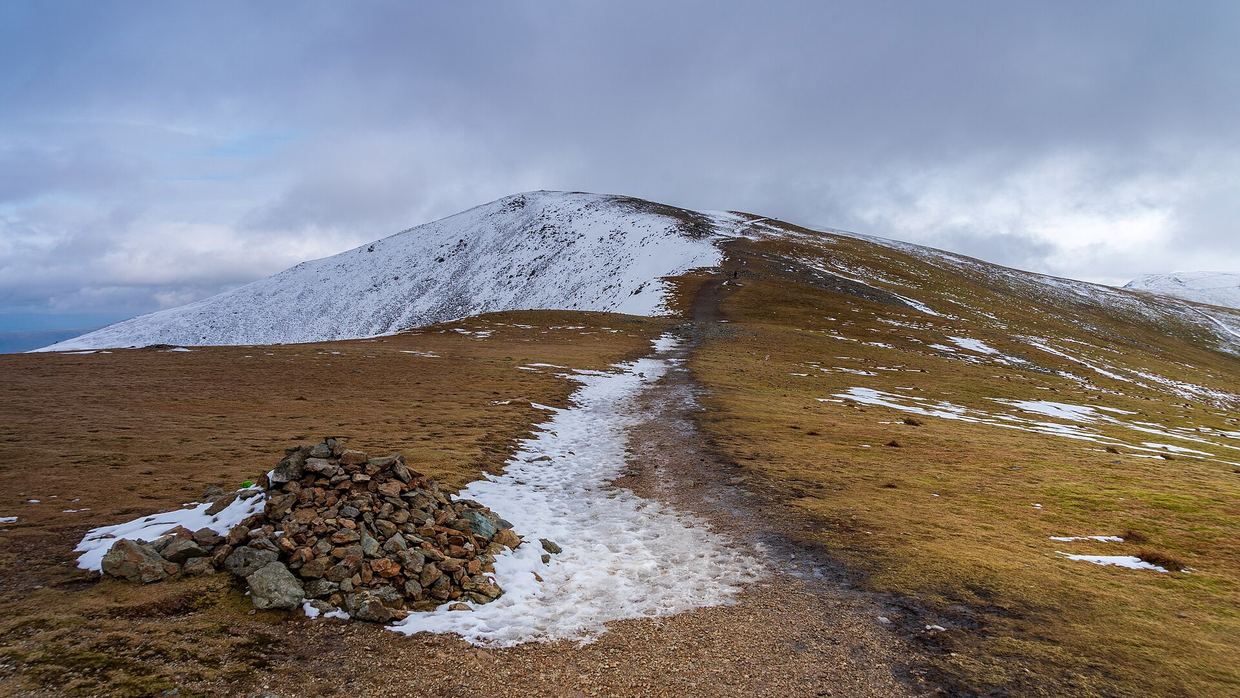
Warming is reducing the share of cold-adapted plants on mountain summits. According to an international team, the composition of summit vegetation is shifting toward warm-preferring species up to five times faster than in forests and meadows naukawpolsce.pl
Nauka w Polscenaukawpolsce.plOpen source ↗. The study was published in Nature. As reported by Nauka w Polsce, citing a Wednesday statement from the Medical University of Wrocław, one of its co-authors is Dr Marek Malicki of the Botanical Garden of Medicinal Plants at the university's Department of Pharmaceutical Biology and Biotechnology
naukawpolsce.pl
Nauka w Polscenaukawpolsce.plOpen source ↗.
Data and method
The authors used records from 6,067 study plots in European forests, meadows and mountain summits. The interval between the first survey and the repeat survey ranged from 12 to 78 years naukawpolsce.pl
Nauka w Polscenaukawpolsce.plOpen source ↗. Plots were the same or reconstructed as exactly as possible, and sites with a fundamental change in land use, such as felled forest or meadow converted to cropland, were excluded
naukawpolsce.pl
Nauka w Polscenaukawpolsce.plOpen source ↗.
From the geographic distribution of species and the temperatures there, the researchers determined each species' thermal preference. This let them check whether warm-associated plants gained weight over time, a process called thermophilization naukawpolsce.pl
Nauka w Polscenaukawpolsce.plOpen source ↗. Malicki contributed long-term botanical observations from the swamp forests of the Barycz valley and the high-mountain vegetation of the Karkonosze, compared with surveys made in the same places several decades earlier
naukawpolsce.pl
Nauka w Polscenaukawpolsce.plOpen source ↗.
Summits, meadows and climate debt
The strongest thermophilization was found on mountain summits, driven mainly by a decline in the share of cold-loving species. The result indicates that a shift toward warm-preferring vegetation can occur mainly through the loss of existing species rather than the spread of new ones naukawpolsce.pl
Nauka w Polscenaukawpolsce.plOpen source ↗. On meadows the rise in warm-loving plants played the larger role, while in the forest understory both processes occurred. In those two habitats the average signal was considerably weaker and its uncertainty did not allow it to be confirmed as clearly as on summits
naukawpolsce.pl
Nauka w Polscenaukawpolsce.plOpen source ↗.
Comparing the pace of vegetation change with temperature rise, the authors found a clear lag in forests and on summits: the climate warmed faster than community composition changed. They call this gap "climate debt" naukawpolsce.pl
Nauka w Polscenaukawpolsce.plOpen source ↗. Malicki explained that plants need time to grow, reproduce and colonize new sites, and perennial species can persist for decades as conditions drift from their requirements. In forests, tree canopies limit understory heating, which softens the effect of warming but may also delay a visible response
naukawpolsce.pl
Nauka w Polscenaukawpolsce.plOpen source ↗.
Malicki pointed to the need to track earlier signals: the shares of warm- and cold-loving plants, tree stand regeneration and microclimate under the canopy naukawpolsce.pl
Nauka w Polscenaukawpolsce.plOpen source ↗.
Sources · 1
Found a mistake?Read also