WashU engineers make fluorine-free lignin coating as biodegradable PFAS alternative in lab tests
Chemical engineers at Washington University in St. Louis linked lignin to fatty acids and got a water-repellent coating that, in lab tests, degrades unlike PFAS.
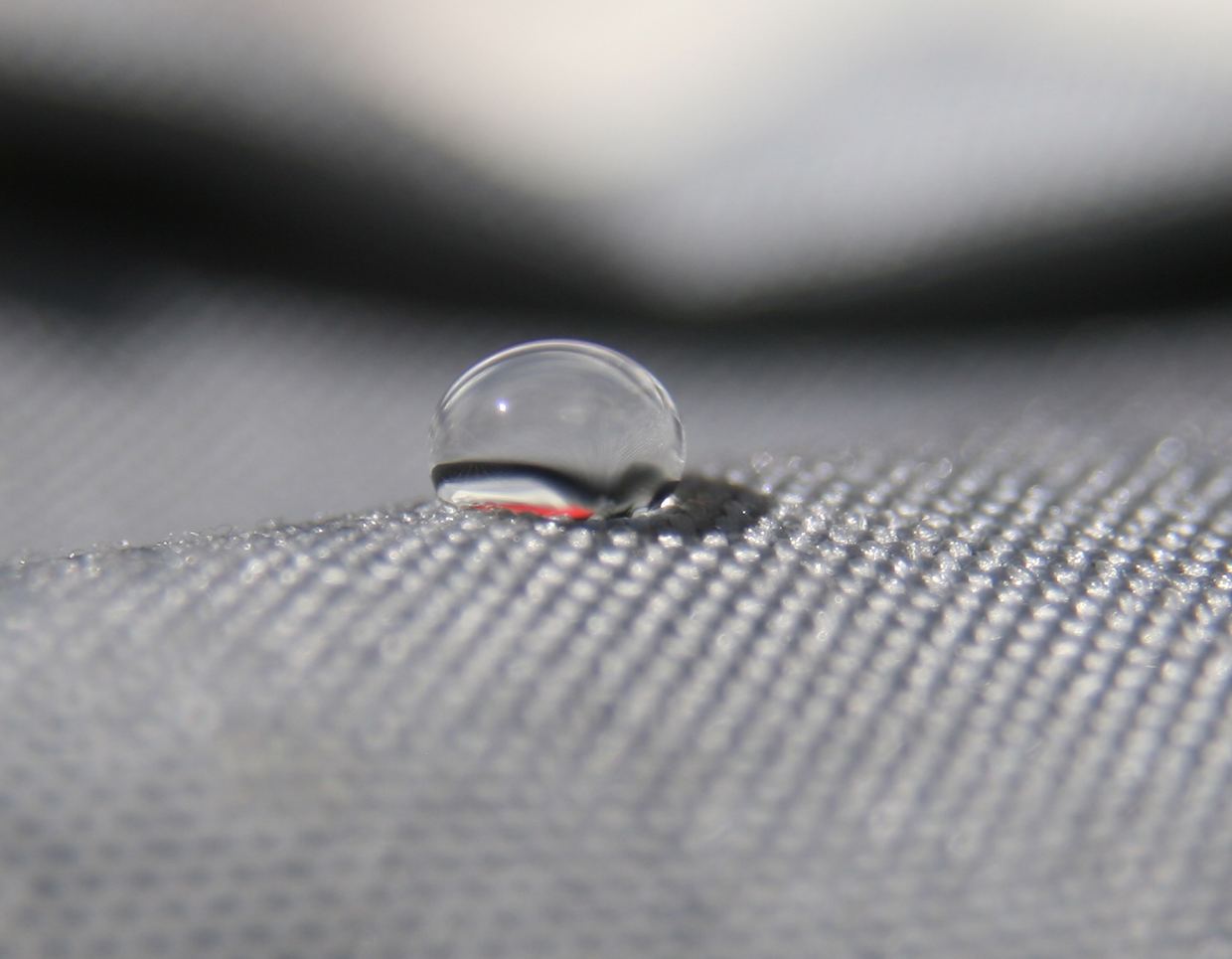
Chemical engineers at Washington University in St. Louis (WashU) have described a fluorine-free superhydrophobic coating called SLIP, or superhydrophobic lignin-integrated particles, in the journal Matter. The authors propose it as a biodegradable alternative to per- and polyfluoroalkyl substances (PFAS) in superhydrophobic applications doi.org
Matterdoi.orgOpen source ↗. The group is led by Joshua Yuan; the first authors are Puneet Dhatt and Weiwei Li. The starting material is lignin, a plant waste product.
PFAS are widely used in packaging, fire protection and waterproof coatings because they are chemically inert. The same inertness makes them persist in the environment, and they have adverse effects on human health doi.org
Matterdoi.orgOpen source ↗.
Suberin-inspired structure
The team took the structure of suberin as a model. Suberin is a waterproof molecule found in xylem, the plant vascular tissue that transports water. The researchers linked lignin to fatty acids, so that long-chain alkyl groups lower the surface energy of the chemically inert lignin backbone, and added a polylactic acid (PLA) binder doi.org
Matterdoi.orgOpen source ↗.
Structure analysis showed that SLIP coatings mimic suberin-enriched structures found in natural wood doi.org
Matterdoi.orgOpen source ↗. According to the authors, the coatings combine pH stability, superhydrophobicity, ultraviolet stability, anti-fouling behavior and mechanical robustness. In tests, water runs off the surface.
Biodegradation and societal cost
The material was tested with a wood-degrading fungus. The authors report that the coating breaks down into harmless organic matter within the expected time period doi.org
Matterdoi.orgOpen source ↗.
Together with researchers at Texas A&M University, the team ran a life cycle assessment and a social cost analysis. They estimated that replacing PFAS with SLIP in waterproofing could avoid societal damage of up to $1.1 billion annually, counting global effects on human health and the environment doi.org
Matterdoi.orgOpen source ↗.
The authors note that SLIP does not yet reproduce everything PFAS does. Possible uses include packaging and coatings for construction materials. The next step is to make the coating oil- and fireproof, which would widen its range of applications. The team is also working to scale up the process and integrate it with the biorefinery and paper and pulping industries.