MIT and USDA test water-resistant silk microneedles for vaccinating juvenile fish underwater
In pilot studies, food-grade silk microneedles stayed on zebrafish and juvenile rainbow trout while swimming. The aim is underwater vaccination of small fish.
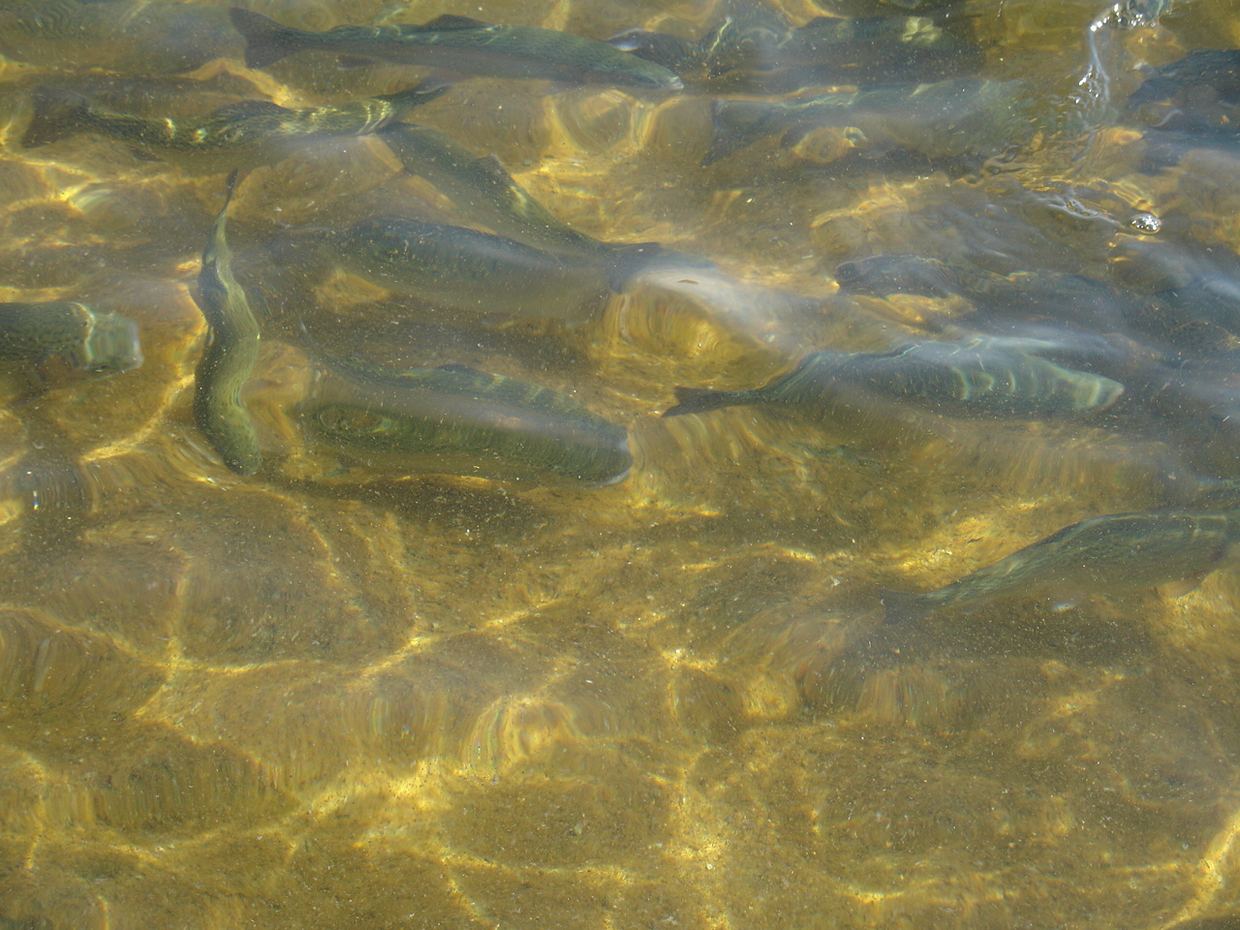
Researchers at MIT and the U.S. Department of Agriculture have developed a water-resistant, food-grade microneedle platform for delivering cargo underwater. The work was published in ACS Nano in November 2026 doi.org
ACS Nanodoi.orgOpen source ↗. The microneedles are made of silk fibroin. In pilot animal studies they remained attached to zebrafish and juvenile rainbow trout while the fish swam
doi.org
ACS Nanodoi.orgOpen source ↗.
The authors note that aquatic foods supply about 15% of animal-derived protein consumed worldwide, and aquaculture now provides most of it. The industry faces disease losses and heavy use of antimicrobials. Vaccination of juvenile fish can reduce these risks, but manual and automated needle-based methods are costly, stressful for the fish and labor-intensive doi.org
ACS Nanodoi.orgOpen source ↗.
Water-resistant silk design
Silk softens on contact with water, and early designs dissolved quickly and released the cargo at once. According to the MIT release, the current system uses a thin layer of shellac, a resin already used in food coatings and pills, as a moisture barrier that stays intact before injection. The microneedles are engineered to remain water resistant from minutes to hours, which lets them penetrate fish skin in wet conditions doi.org
ACS Nanodoi.orgOpen source ↗.
The team developed three morphologies: shell, solid-tip and hollow. They differ in mechanical integrity, water resistance, cargo compatibility and release kinetics, and the authors studied each combination doi.org
ACS Nanodoi.orgOpen source ↗. Lead researcher Meng Lin said release could be set to 15 minutes in some cases and to 10 or 24 hours in others.
Storage without a cold chain and small fish
The microneedles were loaded with the plasmid pIHNVw-G, which was developed to protect fish against infectious hematopoietic necrosis virus. At least 50% of the plasmids kept their supercoiled conformation after 4 weeks of dry storage outside the cold chain doi.org
ACS Nanodoi.orgOpen source ↗. Benedetto Marelli, a professor at MIT, said this matters because aquaculture is mostly done in rural areas.
Gregory Wiens of the USDA National Center for Cool and Cold Water Aquaculture said that needle vaccination of trout works poorly until the fish reach about 30 grams, which leaves the smallest juveniles unprotected. He said the silk microneedles can deliver vaccines underwater to fish as small as 1 to 2 grams.
The researchers say more work is needed before the device can be used at scale on fish farms. The ACS Nano paper describes the platform as a basis for tools for underwater vaccination of juvenile fish doi.org
ACS Nanodoi.orgOpen source ↗.
Sources · 2
Found a mistake?Read also