Meta-analysis of 17 studies: larger optic nerve sheath diameter linked to poor outcome after cardiac arrest
A pooled analysis of 1,157 patients gave an AUC of 0.82 for optic nerve sheath diameter as a predictor of neurological outcome; the authors call it an adjunctive predictor.
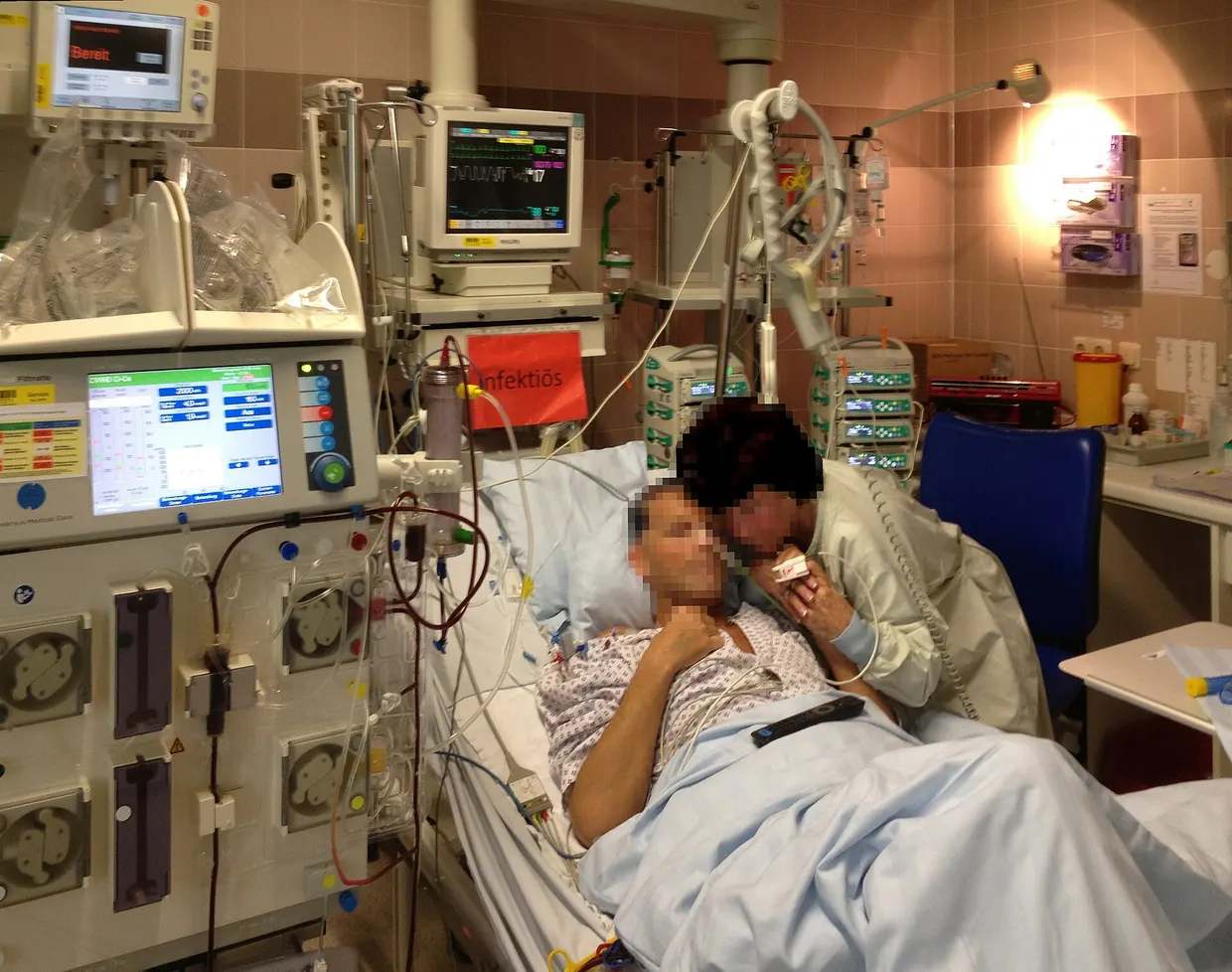
A systematic review and meta-analysis published in BMC Emergency Medicine pooled 17 studies with a total of 1,157 cardiac arrest patients. It found that a higher optic nerve sheath diameter (ONSD) was associated with poor neurological outcome. The authors, Peng Yao Song, Shun Yi Feng and Yong Li, report an odds ratio of 8.97 (95% CI 5.51–14.61, P < 0.001) in a random-effects model biomedcentral.com
BMC Emergency Medicinebiomedcentral.comOpen source ↗.
Accurate prediction of neurological outcome after cardiac arrest remains clinically difficult. ONSD has emerged as a prognostic tool, but its reported performance varies across patient populations and methodological approaches. The authors searched PubMed, Embase, the Cochrane Library, Web of Science, ScienceDirect and three Chinese databases from inception through March 2026, looking for studies that evaluated ONSD as a predictor of neurological outcome after cardiac arrest. The review is registered in PROSPERO (CRD420261293166).
Predictive performance of ONSD
The area under the curve (AUC) was 0.82 (95% CI 0.79–0.86). Pooled sensitivity was 72% (95% CI 63%–79%), and pooled specificity was 81% (95% CI 71%–89%). The authors also ran subgroup analyses, a sensitivity analysis and a publication-bias assessment. The association remained statistically significant in all predefined subgroups (all P < 0.01).
Heterogeneity and robustness checks
Between-study heterogeneity in the random-effects model was I2 = 48.7% (P = 0.013). Subgroup patterns suggested that sample size and study design may have contributed to it biomedcentral.com
BMC Emergency Medicinebiomedcentral.comOpen source ↗. A leave-one-out sensitivity analysis supported the robustness of the pooled estimate.
Deeks' funnel plot asymmetry test suggested publication bias (P = 0.01). However, a trim-and-fill analysis indicated that the pooled estimate remained stable.
The authors conclude that ONSD may be a useful adjunctive predictor of neurological outcomes after cardiac arrest.