Esbjerg heat pumps on North Sea water delivered 55.2 MW of district heat at COP 2.8 in a test
Two heat pumps in Esbjerg, Denmark, used 19.9 MW of electricity and supplied 55.2 MW of heat at 90°C from 3.3°C seawater in a two-hour winter test. The plant is rated at 70 MW.
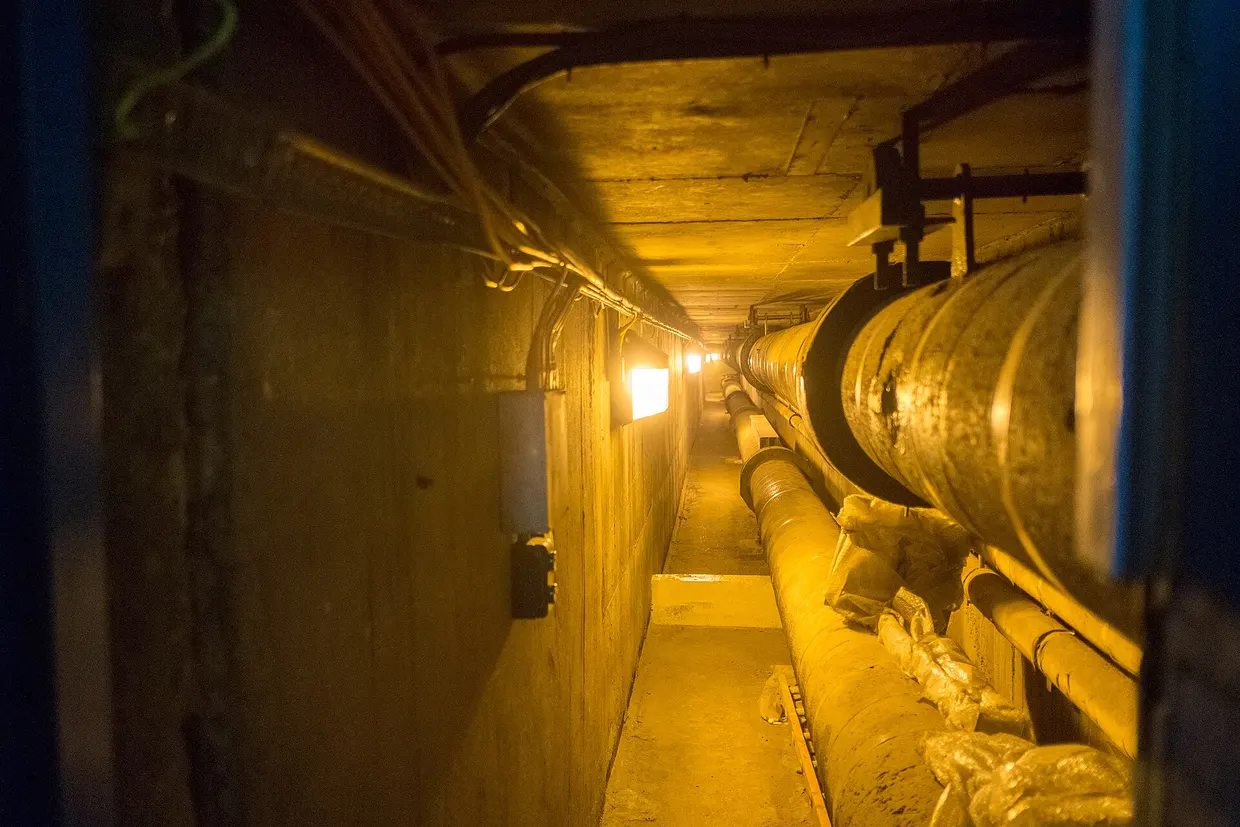
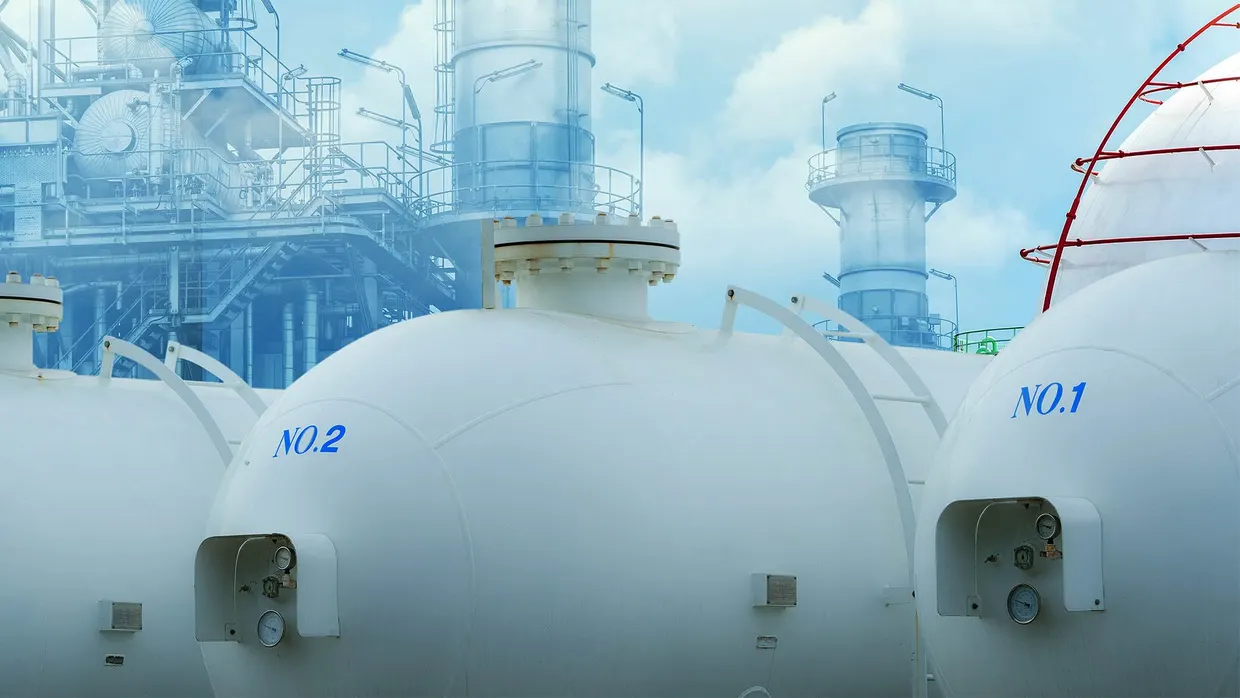
Esbjerg, Denmark, uses large electric heat pumps to extract heat from the North Sea and supply its district-heating network, cleantechnica.com reports. In a two-hour winter test, seawater entered the system at 3.3°C and left at 1.2°C. The two heat pumps consumed 19.9 MW of electricity and supplied 55.2 MW of heat at a district-heating water temperature of 90°C cleantechnica.com
cleantechnica.comcleantechnica.comOpen source ↗. The remaining 35.3 MW came from the seawater.
The project team's May 2025 operating report recorded a coefficient of performance (COP) of 2.8. The figures describe that test, not annual average performance. For each unit of electricity used by the compressors, the plant delivered 2.8 units of heat. Resistance heating would have needed 2.8 times as much electricity for the same output under those conditions.
How the plant works
A heat pump transfers thermal energy from a colder source to a warmer destination. The refrigerant absorbs heat at a temperature below that of the seawater, and an electrically driven compressor raises its temperature so the heat can enter the district network. Esbjerg uses carbon dioxide as the refrigerant in a high-pressure cycle.
The installation has a nominal heating capacity of 70 MW and began delivering heat in late 2024, as part of the replacement of a retired coal-fired combined heat and power plant cleantechnica.com
cleantechnica.comcleantechnica.comOpen source ↗. The operating report describes controls for variable conditions and protection against freezing as seawater temperatures fall. The city's heating supply also includes a wood-chip boiler and waste-incineration heat, so emissions reductions reported for the wider replacement programme cannot be attributed in full to the heat pumps.
Limits and costs
The recorded COP was lower than the more favourable figures used in the original project expectations, and full guarantee testing had not been completed when the results were published. At an illustrative electricity price of €100/MWh, compressor power at COP 2.8 costs about €36 per MWh of useful heat. That excludes seawater pumping, maintenance, capital recovery, financing and heat distribution. A network that can run at lower water temperatures asks the compressor for a smaller temperature increase, which can improve COP. Older networks supplying 90°C heat face a harder requirement.
Seawater heating has a long history: Monaco began using seawater heat pumps in 1963, and Stockholm has used large seawater-sourced district-heating equipment since the 1980s. Creative Energy's Horseshoe Bay development in West Vancouver uses submerged heat exchangers in a closed loop, with no seawater intake or discharge. Aalborg, Denmark, is developing 177 MW of seawater heat-pump capacity. Marine systems require engineers to address corrosion, biological fouling, intake and discharge effects, pumping, maintenance access and freezing protection.