Basel study of 719 adults: regular cold showers linked to 26% fewer illness days
In three trials, volunteers who showered cold at least 70% of the time reported fewer sick days over 12 weeks. The data are self-reported and observational.
Researchers at the University of Basel analysed three trials run between late 2019 and mid-2024, with 719 healthy adults aged 18 to 65, Earth.com reports. earth.com
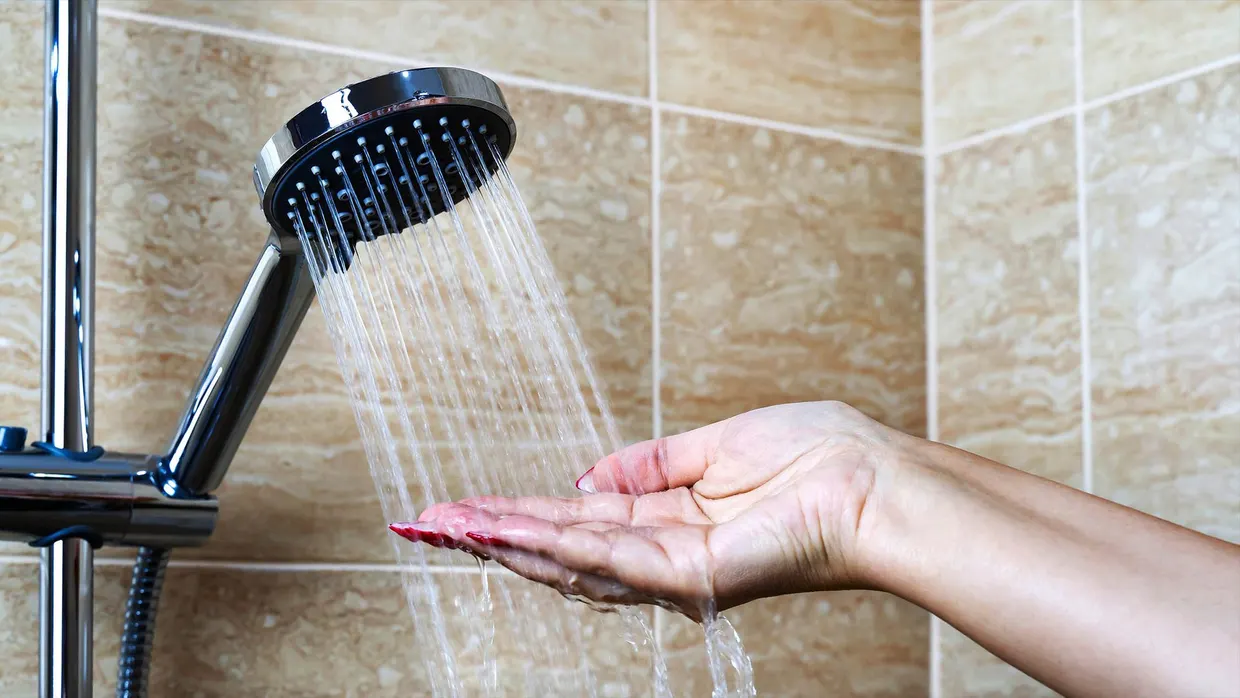
Earth.comearth.comOpen source ↗ The work is part of the doctoral dissertation of psychologist Lena Glaser. Volunteers were asked to turn the tap to its coldest setting and stay under the water for two to five minutes, and once a month they filled out surveys on illness days and days off work.
Two of the trials had no randomly chosen comparison group. For the analysis, the team put 459 people (about three in five) who showered cold at least 70% of the time into one group and compared them with everyone else. Before the trials, volunteers reported about three days of illness and one day off work per month. Over 12 weeks, the regular cold showerers reported 26% fewer illness days and 31% fewer days off work. By the team's calculation, that equals one fewer illness day among 16 people showering cold for a week. Their scores on a standard well-being questionnaire were slightly higher, while physical well-being did not differ reliably. Skin health ratings were similar in both groups, and no one reported a serious problem.
Who kept taking cold showers
Among 586 people in the two later trials, only 217 (37%) kept it up for all 12 weeks. Quitting was most likely in the early weeks. About 32% of women reached the end, compared with about 47% of men. In the second trial, short monthly videos with reasons to continue did not help people last longer than basic instructions did. In the third trial, 71 volunteers received five weekly emails, and 10 of them finished, the lowest completion rate of any group. The researchers suggested that weekly messages may have made a personal choice feel like an obligation.
Energy estimate and limits of the data
The energy calculation assumed a daily five-minute shower using 12 gallons (45 liters) of water. Cooling that water from 104°F (40°C) to 59°F (15°C) would save about 1.3 kilowatt-hours. earth.com
Earth.comearth.comOpen source ↗ The team estimated 33 pounds (15 kilograms) less carbon dioxide per volunteer over the study, and about 143 pounds (65 kilograms) over a year, or 2% to 3% of an average annual household carbon footprint in wealthy European countries. The researchers did not install meters and used average emissions figures for German and Swiss energy.
The limitations are substantial. Volunteers averaged about 26 years old, roughly two-thirds were women, and they chose to take part. Everyone knew their group, and illness was based on survey answers with no medical tests. People who kept going may have differed from those who quit, so the comparison cannot show that cold water itself reduced illness. It is also unknown who continued after 12 weeks, or whether volunteers used more energy elsewhere.